

Case studies
- Deciphering Antarctica’s biggest recorded heatwave
- Global Climate Change Week 2024 focuses on food-water-energy nexus
- Global learners tackle climate change through accessible online education
- Sustainable Futures Opportunity Scholarship champions environmental stewardship
In January 2024, a team of 54 international researchers, including UOW’s Distinguished Professor Sharon Robinson and Honorary Senior Fellow Dr Dana Bergstrom, joined forces to dissect the meteorological drivers of an unprecedented heatwave. In March 2022, East Antarctica experienced a heatwave of extraordinary intensity, with temperatures soaring up to 40°C above average in what became the continent's most extreme recorded temperature event.
Under the leadership of Swiss climatologist Professor Jonathan Wille, the comprehensive study identified the heatwave was driven by a rare atmospheric river event that linked tropical weather systems to polar extremes. The research highlighted cascading impacts across the Antarctic system, including record low sea ice extents and ice shelf collapse events, which threaten global sea-level stability and climate regulation systems.
The extreme warming event provided scientists with crucial real-time data about how rapidly Antarctica's climate system can shift under global warming conditions. The research played a vital role in raising awareness among policymakers and the public about the urgent reality of climate change impacts in polar regions.
The study reinforced the critical need for international cooperation and urgent climate action to prepare for increasing climate extremes, providing evidence that even the most remote regions of Earth are experiencing unprecedented changes that will have global consequences.
 In March 2022, Antarctica experienced an extraordinary heatwave.
It was the most intense heatwave ever recorded anywhere in the world.
- SDG 13 – Climate Action
- SDG 17 – Partnerships for the Goals
From 14–18 October 2024, UOW hosted Global Climate Change Week, featuring five days of discussions, seminars and climate action events. The week raised awareness about the importance of sustainable practices and asked participants to take action in their daily lives. It also fostered collaboration between UOW, partners and community, promoting a global dialogue on climate change solutions.
Highlights included the seven-day PlanEATary Quest, launched as an interactive activity demonstrating how to adopt healthy and environmentally sustainable dietary behaviours. Meanwhile, the Agroecology Dialogue at iAccelerate provided a chance to connect with local farmers, First Peoples and activists to discuss creating more sustainable, community-driven food systems.
‘Meet the Researcher’ sessions featured Senior Research Fellow Dr Jeff Kelleway from the Environmental Futures Research Centre presenting on climate change and coastal impacts, and Associate Professor Owen Price, Director of the Centre for Environmental Risk Management of Bushfires, presenting on connections between weather and record bushfires. Professor Karen Charlton from the School of Medical, Indigenous and Health Sciences joined local food producers, Dr Pia Winberg of Venus Shell Systems and Ryan Atchinson, creator of Smith Street Garden, to explore eating in ways that are healthy for both people and the planet.
UOW Malaysia hosted three main events: the Colour Fun Run; Connectopia 2024 for mental health, featuring workshops, panel discussions and a mental health hub; and the 5th Engineering Research Symposium (EUReS), focused on sustainable engineering research with international keynote speakers.
- SDG 4 – Quality Education
- SDG 11 – Sustainable Cities and Communities
- SDG 13 – Climate Action
- SDG 17 – Partnerships for the Goals
Discover how UOW is driving climate action through GCCW
UOW launched The Climate Challenge in December 2024, a free online course designed to help learners of all backgrounds understand our changing climate. Spearheaded by Professor Troy Heffernan from the School of Business, with support from Dr Marianne Peso from the UOW Future Education Division, the initiative enlisted cross-disciplinary academics to create evidence-based course materials addressing one of our time's most pressing challenges.
Within six months, 884 people from over 62 countries completed the course, spanning from Australia to Bangladesh to the Philippines, Germany and the United States. The comprehensive curriculum covers the science of climate change, the role of misinformation and critical source evaluation, as well as a range of solutions for climate action.
In an era of widespread climate anxiety, the course offers both facts and hope, highlighting real-world solutions while empowering learners with comprehensive climate literacy. This global reach demonstrates UOW's commitment to democratising climate education and building worldwide capacity for climate action through accessible, high-quality online learning.
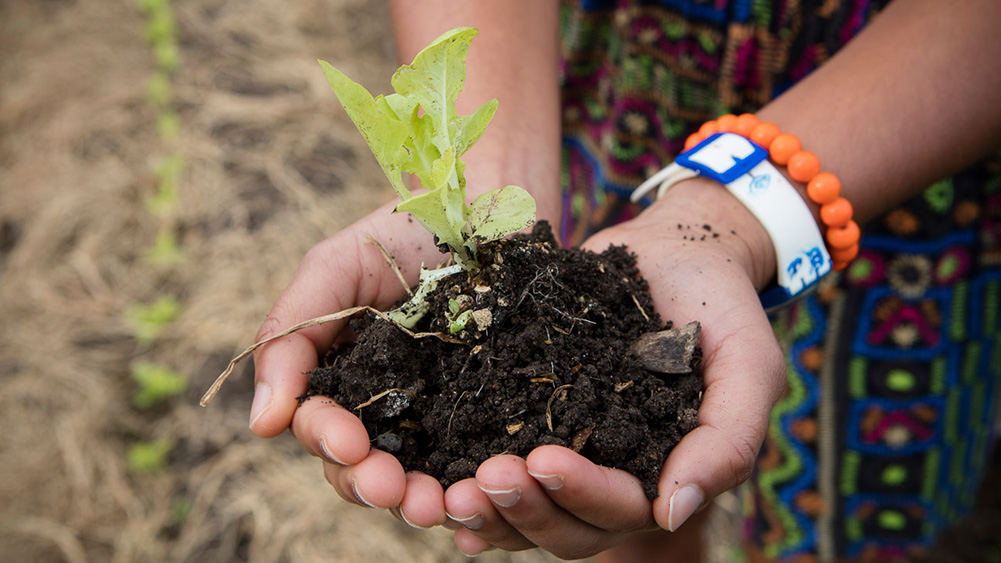
The University’s Sustainable Futures Opportunity Scholarship supports students with their studies and champions the continued need of sustainability. It represents UOW's commitment to environmental leadership and carbon neutrality by 2030, as well as recognising that creating a sustainable future requires diverse voices and perspectives.
Building on UOW's comprehensive equity scholarship program, this initiative specifically targets students passionate about environmental sustainability and climate action. The scholarship aligns with the University's broader sustainability goals while ensuring equitable access to education in environmental fields.
Recipients are selected based on demonstrated financial need and commitment to environmental stewardship, supporting UOW's vision of empowering students to become leaders in addressing global sustainability challenges.