














Case studies
- Groundbreaking research combats health problems in APAC regions
- Student wellness programs foster campus community and wellbeing
- Home exercise pilot aims to reduce frailty in cardiovascular patients
- UOW academics tackle nutrition and lifestyle management in multiple sclerosis care
- UOW establishes Chair in Neurodegenerative Diseases
- Nanotechnology enables development of sensor to detect pain levels
University of Wollongong researchers are tackling pressing health challenges across East Asia and Australia, addressing global health inequities through innovative collaborative research partnerships. Two major three-year projects led by UOW have been funded under the National Health and Medical Research Council's (NHMRC) e-ASIA 2024 Joint Research Project scheme.
The first project – led by Associate Professor Guangming Jiang from UOW's School of Engineering and Professor Martina Sanderson-Smith from the School of Science and Molecular Horizons – uses artificial intelligence and wastewater surveillance to track the origins and spread of infectious diseases across the region.
The second project, led by Distinguished Professor Xu-Feng Huang from the School of Medical, Indigenous and Health Sciences, examines the role of increased fibre intake in combating metabolic syndrome. Collaborating with researchers from Indonesia, Thailand and the Philippines, the UOW team examined molecular mechanisms underlying metabolic syndrome to inform new personalised nutrition and lifestyle recommendations to control metabolic syndrome in South-East Asia and Australia.
- SDG 3 – Good Health and Wellbeing
- SDG 9 – Industry, Innovation and Infrastructure
- SDG 17 – Partnerships for the Goals
Discover how UOW is advancing health, wastewater and nutrition
In 2024, the Wellness by Pulse program delivered 216 events and activations across UOW campuses to help foster the health and happiness of students at UOW.
A range of workshops, regular events and keystone events took place across the year, including IDAHOBIT Day, RUOK? Day, International Day of Happiness, Mental Health Festival, and Fit + Well Festival. These events connected students and staff with resources and organisations to develop the UOW community’s understanding of mental health and wellbeing.
The relaunch of the Wellness Ambassador Program also saw the upskilling of 15 students passionate about health and wellbeing, providing peer-to-peer support that helped establish a greater sense of community and belonging on campus. Stress Less Weeks featured three days of free lunches, workshops and mindfulness activities, while the Creative Cooking Series incorporated food education and peer connection through sharing meals.
The program demonstrates UOW's ongoing commitment to nurturing student mind, body and spirit through comprehensive wellness initiatives that address both individual wellbeing and community connection.

Wellness by pulse activity, image courtesy of Pulse
SDG 3 – Good Health and Wellbeing
Senior Research Fellow Dr Julee McDonagh from UOW’s School of Nursing was awarded funding to pilot an innovative home exercise program to improve frailty in cardiovascular patients.
Heart failure currently impacts one to two per cent of Australians, with around half becoming susceptible to developing increased frailty following treatment. This distressing geriatric syndrome can lead to both physical and cognitive decline, increasing patient vulnerability and severely impacting quality of life.
The research project’s home-based program is designed to be practical, safe and effective for patients in their own environment, and tailored to their individual needs and limitations. It focuses on building strength, endurance and functional capacity.
By reducing frailty, the program aims to improve patient independence and reduce hospitalisation rates, with long-term potential to enhance quality of life for thousands of Australians.
SDG 3 – Good Health and Wellbeing
Pilot program aims to reduce frailty through resistance exercise
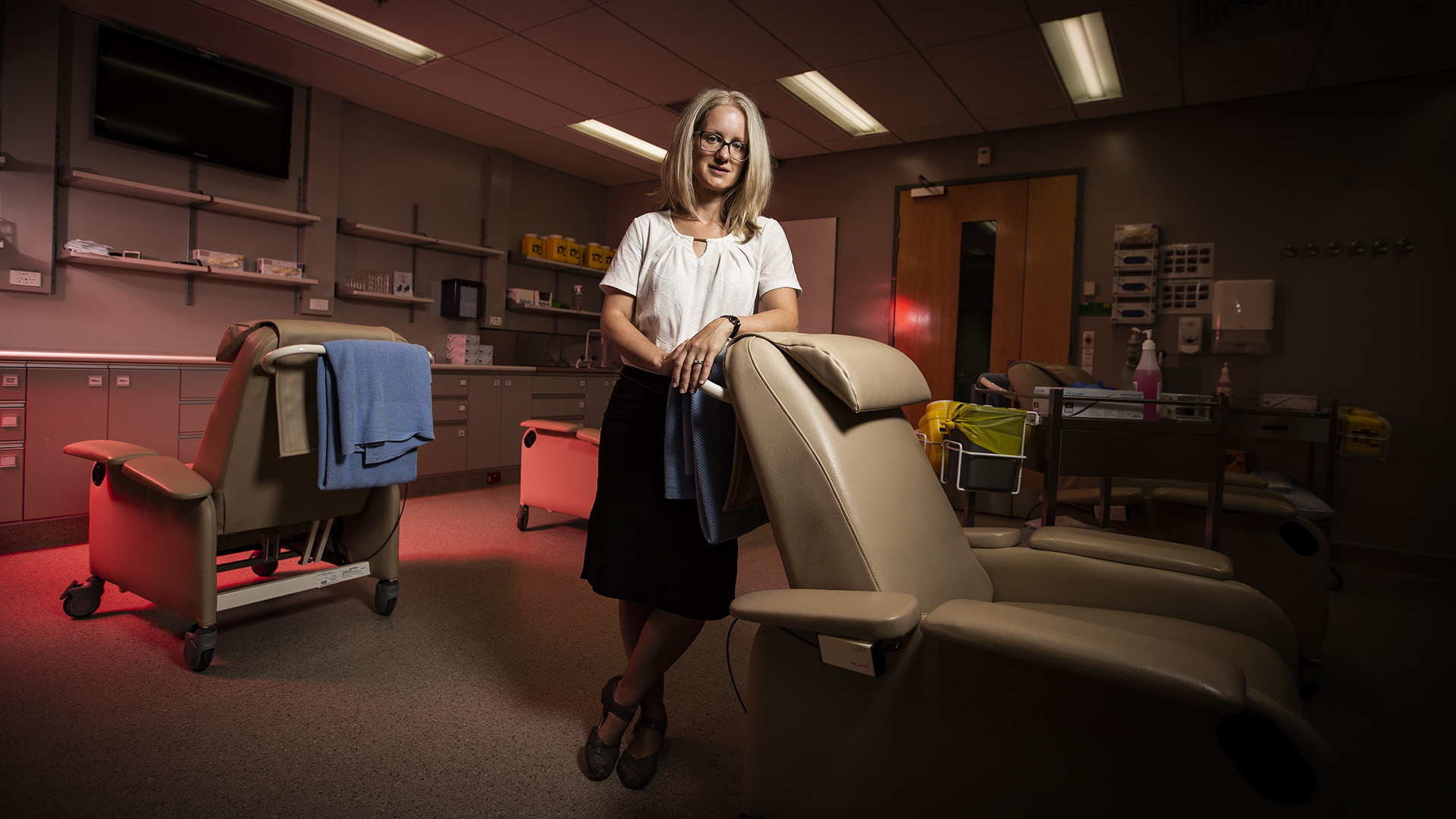
Senior Research Fellow Professor Yasmine Probst from the School of Medical, Indigenous and Health Sciences and PhD candidate Karen Zoszak were awarded more than $300,000 in research funding from MS Australia to understand how lifestyle management and dietary advice impacts health outcomes for people living with multiple sclerosis (MS).
Professor Probst, who lives with MS, led a multidisciplinary team of health professionals to advance a clinical trial to test lifestyle management and help participants make positive changes to nutrition, physical activity and self-management of the disease.
Changes to health measures, including disability, fatigue and sleep were assessed, with long-term evaluation to consider whether a tailored lifestyle approach can result in increased weight loss and greater improvements to MS symptoms.
Meanwhile, Ms Zoszak investigated whether online dietary advice for MS aligns with Australian Dietary Guidelines and explored associations with health outcomes in people living with the disease. Her research addresses growing concerns that people with MS often search online for dietary advice that may be unreliable, contradictory or potentially harmful.
With more than 33,000 Australians currently diagnosed with MS, this work aims to ensure people receive accurate, evidence-based nutrition and lifestyle guidance to increase their confidence and support their health and wellbeing.
SDG 3 – Good Health and Wellbeing
Find out how UOW is advancing evidence-based care for MS
In recognition of two decades of extraordinary contribution to Motor Neurone Disease (MND) research by the late Professor Justin Yerbury AM, UOW established the Justin Yerbury Chair in Neurodegenerative Diseases.
Initiated by Justin and his wife Rachel, this position honours his remarkable life and legacy, continuing his vital research to understand and treat MND and other neurodegenerative diseases.
Prior to his passing in July 2023, Professor Yerbury’s lab was researching MND from the perspectives of cause and treatment. Professor Yerbury understood that without determining the causes of MND, treatment is difficult. However, he and his team had built strong foundations to test new treatments, with this testing continuing after his passing. This paradigm guided Professor Yerbury and his team and led to impactful outcomes in MND understanding.
With the generous funds received from donors, the lab was able to move forward on ideas that include the development of new ways to clear out the toxic proteins inside motor neurons, a novel idea to convert other cells into new motor neurons for regenerative medicine, and the assessment of a new drug combination that looks more effective than either drug alone at treating MND.
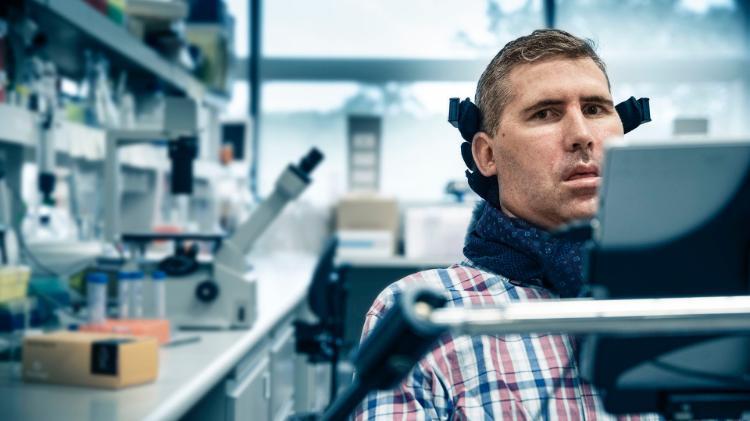
Professor Yerbury and the team have received more than $1 million in donations towards MND research as they continue their quest towards understanding and curing the disease.
- SDG 3 – Good Health and Wellbeing
- SDG 4 – Quality Education
Next-generation smart sensors enabled by nanotechnology are leading advancements in diverse fields, delivering previously unimaginable levels of sensitivity and portability.
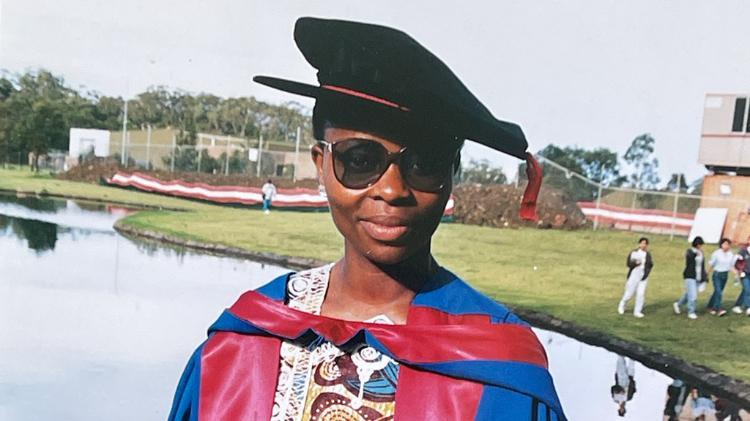
According to UOW graduate and world-renowned researcher and inventor in bioanalytical chemistry, biosensors, and sustainable nanomaterials, Distinguished Professor Omowunmi Sadik, the potential to address complex challenges is enormous.
Professor Sadik, based at the New Jersey Institute of Technology, explains her research group is focused on developing innovative bioanalytical sensors for medical and environmental applications. They are currently working on a sensor to measure the level of pain an individual is experiencing.
When a physician asks a patient to rate their pain levels on a numerical scale, it can be very subjective, and in some cases – such as with children, the elderly, or those who are unconscious – it can be difficult to articulate at all. By developing sensors that accurately measure biomarkers released in the body because of pain, doctors, clinicians, and nurses can be provided with a more objective assessment of a patient’s level of pain.
SDG 3 – Good Health and Wellbeing
SDG 9 – Industry, Innovation and Infrastructure
SDG 11 - Sustainable Cities and Communities
SDG 12 – Responsible Consumption and Production