

Antibacterial, anti-inflammatory, anti-ageing: The healing power of seaweed
UOW scientists making 2026 the year of Australian seaweed
March 3, 2026
Researchers are using a unique Australian seaweed that mimics the biological functions of human skin to develop sustainable, regenerative wound-healing solutions for complex skin injuries and burns.
The healing power of seaweed – marine macroalgae – is not a new discovery. There is evidence that it was chewed medicinally in what is now Chile more than 14,000 years ago, and that seaweed has been a versatile resource for Indigenous Australians for millennia. Throughout human history, it has been a valued part of traditional medicine, a dietary staple, a symbol of women’s liberation, a form of currency, and a method of survival.
Today, scientists estimate there are 12,000 species of seaweed around the world, and that current scientific understanding of the possible benefits of those species is just scratching the surface.
Over the last decade, University of Wollongong (UOW) researchers at the Intelligent Polymer Research Institute (IPRI) have been investigating a unique Australian green seaweed with antibacterial, anti-inflammatory and regenerative properties. The team believes their discovery could revolutionise complex wound healing and position Australia as a leader and supplier of high-value marine-derived bioproducts.
As the team works towards scaling up the formulation and processing of their seaweed-based treatment for complex burns and wounds – with the help of recent funding from the Australian Economic Accelerator (AEA) Ignite program – we’re taking a look at the diverse ways you can benefit from the healing power of seaweed.
Oceans and climate change
Seaweed grows rapidly with minimal resources, absorbs carbon dioxide and nitrogen, and creates an estimated 70 per cent of Earth’s oxygen – it is one of world’s biggest carbon sequesters. It’s no surprise it’s now a massive global industry and a big topic in the conversation about sustainability and climate change.
By taking in carbon dioxide, seaweed can help reduce acidification of the ocean which weakens the skeletons of coral and other sea creatures. By absorbing nitrogen, phosphorus and other nutrients, seaweed can prevent dead zones and toxic algae blooms and help remediate the impacts of nutrient pollution.
As the world looks for more sustainable forms of agriculture, seaweed presents a high-value opportunity.
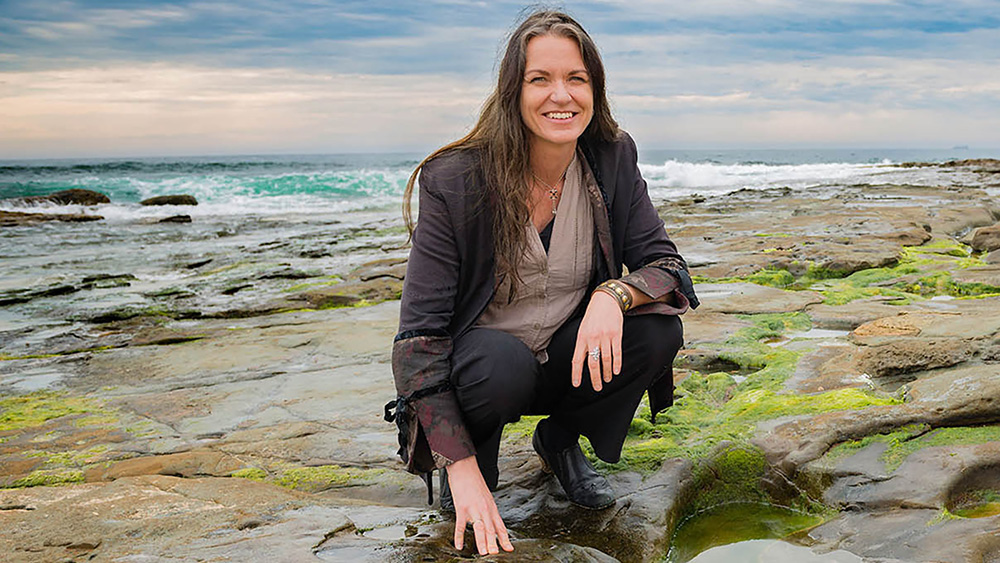
At Venus Shell Systems on NSW’s South Coast, UOW graduate Dr Pia Winberg has developed a way to farm seaweed sustainably, repurposing carbon dioxide and nitrogen produced as a by-product of the brewery industry, and releasing only clean, oxygenated water back into the environment.
Your garden
True green thumbs are likely already making use of seaweed and seaweed-derived products as a fertiliser, soil builder and compost activator.
Filled with minerals and nutrients, seaweed can encourage plant growth and even delay cell ageing. It can promote beneficial microbial activity in the soil, improve aeration, keep your soil moist, and prevent fungus and disease, while keeping away some pests like slugs. Antioxidants in seaweed can also help plants fare better when stressed, making them stronger, healthier and more resistant to any pests that do make it into your garden.
Your health and nutrition
Seaweed has been a medicinal and dietary staple in communities around the world for centuries and is a prominent ingredient in many East Asian cuisines. Globalisation has increased western consumption of seaweed, as modern science shines a light on its dietary and medicinal benefits.
Research has shown the potency of some seaweeds in treating a multitude of health issues, including inflammation, trace element deficiency and poor gut health.
Eating seaweed throughout the week can increase intake of protein, essential amino acids, Omega 3, antioxidants, micronutrients, vitamins and fibre, providing a range of health benefits.
Your skin
As with its dietary benefits, seaweed and seaweed extracts have been used to soothe and moisturise skin for thousands of years, yet recent advances in technology have enabled researchers like Dr Winberg to identify the exact molecules that have such an impact on our skin.
This includes identifying the biological components of seaweed that support the foundational tissue structure of human skin, interact directly with human cells to trigger biological functions, protect and repair skin from oxidation and stressors, and support a healthy skin microbiome.
One of Dr Winberg's major breakthroughs led her to develop and trademark phyaluronic acid, a world-first, plant-based alternative to hyaluronic acid, the anti-aging molecule celebrated in the beauty industry. Phyaluronic acid is now the basis of a hydrating skincare range available through Dr Winberg’s PhycoHealth.
Wound healing with alginate
Since the 1980s, a brown seaweed extract called alginate has been used to make non-adhesive wound dressings which create a moist gel on contact with fluid that seeps from a wound. Alginate dressings act as a physical protective barrier, keeping tissue moist and oxygenated to speed healing and minimise pain.
Now, researchers are working to create products that interact closely with cells to facilitate biological processes, like tissue regeneration.
"We use alginates now almost on a daily basis to create bioengineered solutions to big medical challenges,” said Distinguished Professor Gordon Wallace, Director of UOW’s Intelligent Polymer Research Institute (IPRI), on a recent episode of Dr Karl’s How Things Work.
Professor Wallace’s team are working on a 3D bioprinter pen using bioink, which would contain both a patient’s own stem cells and alginate as a stabiliser, to create structures that can grow new tissue in the desired place or shape. With a biopen, the surgeon would be able to print directly into a defect in a knee, for example, and inject new cartilage-like material.
Professor Wallace continued: “This combination of alginate and our living cells provides a structure which is biologically active, mechanically robust, and we can locate it in the biological environment where it's needed to regenerate tissue.”
A unique Australian solution for complex wounds
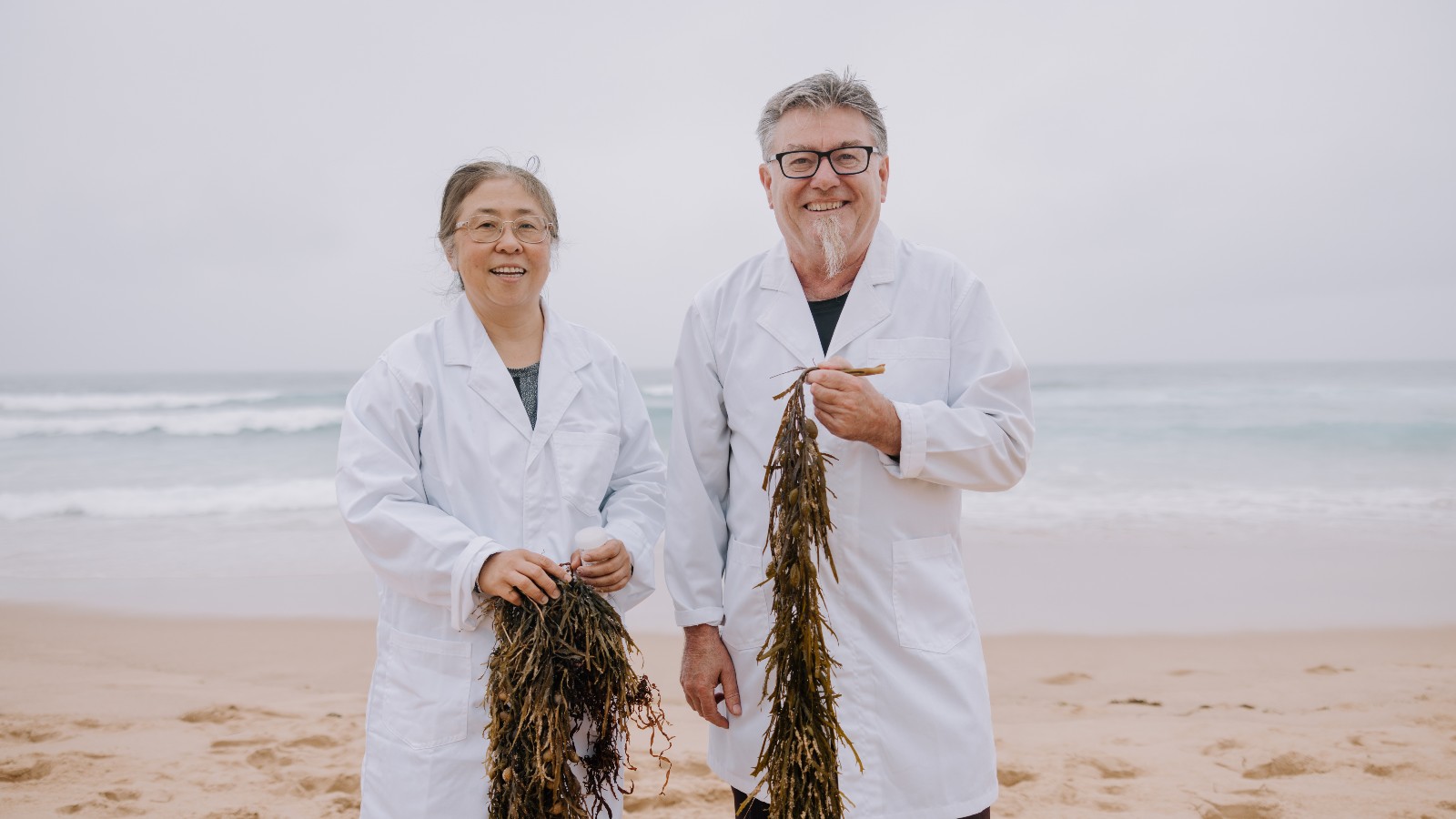
While brown seaweeds containing alginate are found all over the world, a unique Australian species of green seaweed could be the key to solving the complex medical issue of severe burns and chronic wounds (defined as an injury that doesn’t progress through the healing process as it should). This is thanks to a molecular structure in the seaweed called ulvan which researchers have identified is remarkably similar to the molecules in human skin.
The team, led by Associate Professor Zhilian Yue of IPRI, are using ulvan to develop a regenerative wound-healing product that will do more than protect chronic wounds.
“Many existing treatments don't properly restore healthy skin,” said Associate Professor Yue. “Our approach uses a compound extracted from seaweed that mimics the building blocks the body needs for skin repair. Rather than just protecting the wound, this material actively helps the body rebuild healthy tissue."
Ulvan has an array of biological properties including antibacterial, anti-inflammatory and anti-coagulant activities. The molecular signature can trigger functions in human cells including attachment, growth and production of other molecules such as collagen – effectively encouraging and stimulating the biological processes of skin regeneration.
In collaboration with 2005 Australian of the Year Professor Fiona Wood (University of Western Australia, Royal Perth Hospital) and Dr Winberg (Venus Shell Systems), Associate Professor Yue and Professor Wallace have secured AEA funding to scale the processing and formulation of these molecules to prepare the treatment for pre-clinical and clinical trials.
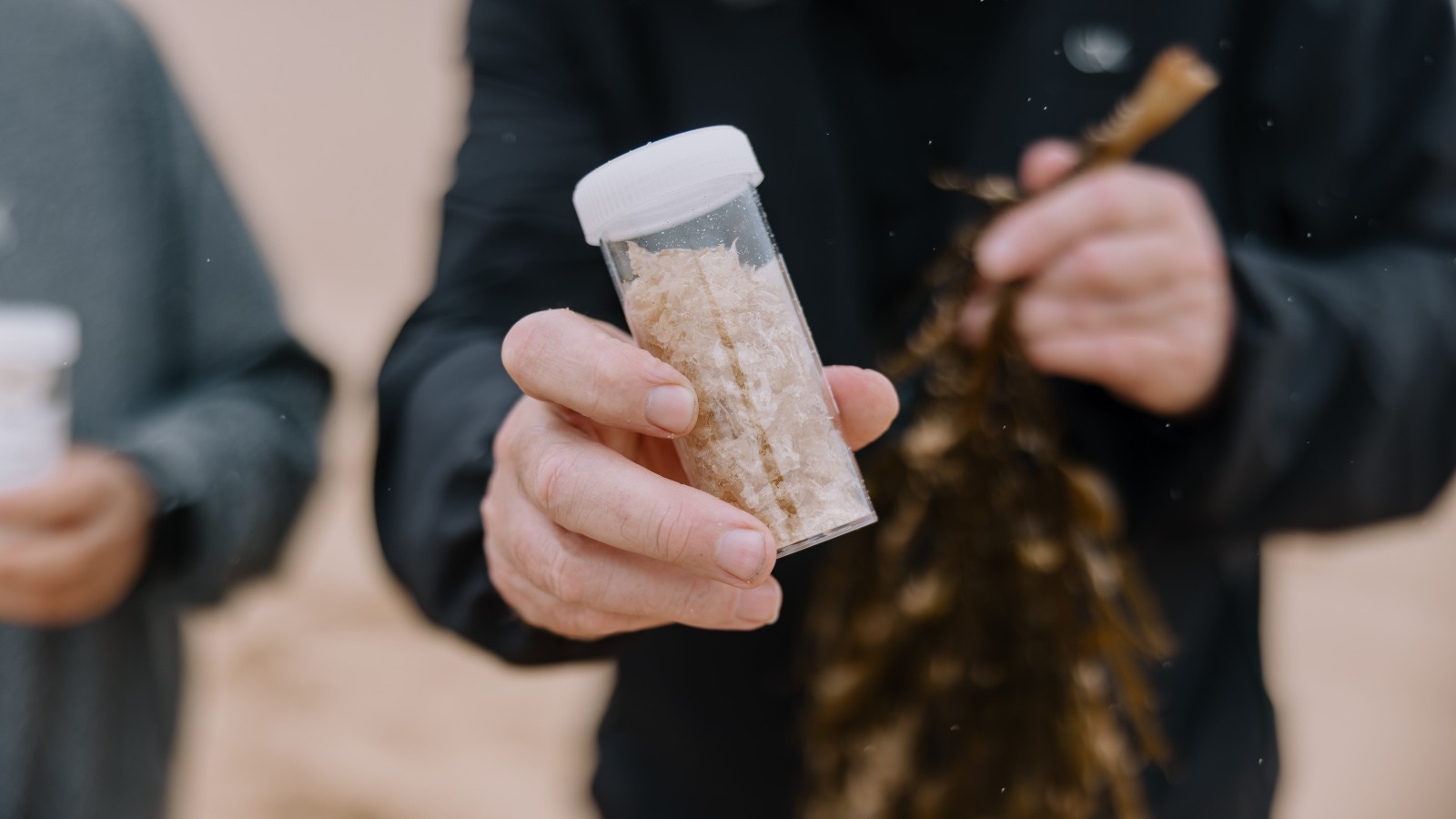
Professor Wallace says the project is particularly exciting because they have a diverse range of skills coming together to make it work: “Dr Winberg does the crude processing of the seaweed down at Venus Shell Systems in Huskisson. We get that crude extract, and we do further chemical purification on it. We formulate it with other molecules so it's sprayable or so it can be printed.”
World-leading burns specialist Professor Wood is the final piece of the puzzle.
“Professor Wood brings an understanding of the clinical needs and considerations which we can take into the material and fabrication design,” says Associate Professor Yue.
Professor Wallace says advanced wound-care is just the beginning and believes Australia can be a leader and supplier of high-value marine-derived bioproducts.
“Once we can demonstrate the functionality of these molecules and the manufacturing processes, we can work with Venus Shell Systems and others to identify other classes of molecules and untapped, sustainable marine resources. It might not be just for wound healing; our vision is to generate a new line of manufacturing industries in Australia, linking primary resources with new medical technology applications.”
“We’re working together to accelerate the development of this molecule-based therapy,” says Associate Professor Yue. “We hope 2026 will be the year of Australian seaweed extract.”