Reduce inequality within and among countries

Goal 10: Reduced Inequalities

The University of Wollongong (UOW) is committed to working towards the United Nations Sustainable Development Goals (SDGs) through its governance, teaching and learning, community engagement, partnerships and research. The following initiatives are by UOW staff and students working towards Goal 10: Reduced Inequalities.

Case studies for Goal 10

Initiatives and services

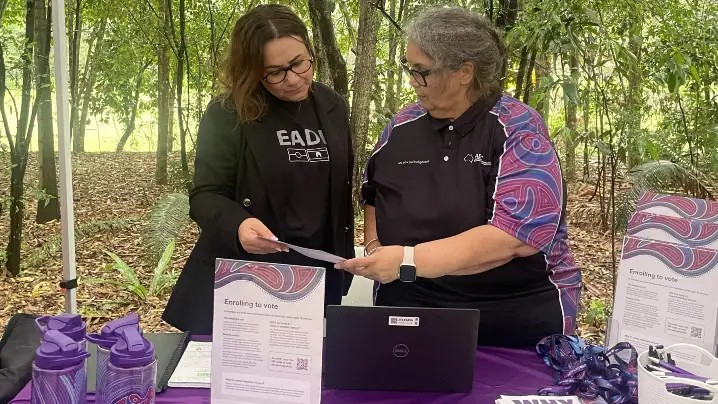
The Woolyungah Indigenous Centre (WIC) is committed to building the aspirations of First Nations Australians in tertiary education. The Centre provides programs and facilities that encourage, support and advance students from entry to university through to successful completion. WIC provides a culturally safe space and all the elements for a supportive academic journey, including tutoring programs, academic and accommodation scholarships, and financial support.

Discover the support available through WIC

UOW supports and welcomes sexual and gender diversity and strives to provide an inclusive workplace. We are proud of our vibrant Pride Network, which consists of a dynamic group of over 285 staff and students, offering events and regular sessions throughout the year aimed at building awareness of LGBTQI+ issues and provides a place for the community to come together and share their stories. In 2019, the University received our first Australian Workplace Equality Index Bronze Award. UOW’s first Gender Identity and Affirmation Guidelines provide a framework on how to best support those who are transgender and gender diverse, and those going through gender affirmation.

Discover more about our PRIDE network

Indigenous Mentoring Experience (AIME) was established at UOW in 2008 to help redress the imbalance in high school completion rates between Indigenous and non-Indigenous students, by improving Year 10 and Year 12 completion rates and university admission rates for all participating students. Each year, the AIME program pairs student mentors with Aboriginal and Torres Strait Islander high school students.

Equity Fellowships assist staff facing difficulties in completing their PhD program due to equity issues. They are targeted toward academic women and Indigenous Australians, however, a number of fellowships will also be available each year for other equity groups. The establishment of these fellowships is one of the strategies to address the current under-representation of these two equity groups, particularly at senior levels.

Learn more about our equity fellowship

The Indigenous Admission Program (IAP) is an assessment process that offers an alternative pathway for Aboriginal and Torres Strait Islander people over the age of 17, to seek entry into UOW’s undergraduate programs. The program supports Aboriginal and Torres Strait Islander people who haven’t completed secondary school, are not receiving an Australian Tertiary Admission Rank (ATAR), don’t have the required ATAR for their preferred course, and mature aged students.

Check out our alternative pathway for future indigenous students 

UOW aspires to be an employer of choice for Indigenous people and is committed to increasing Indigenous representation within its workforce. The Indigenous Workforce Action Plan 2025–2030 provides a blueprint for achieving and surpassing UOW’s employment targets and supporting the aspirations of its current Indigenous staff. UOW’s goal is to reach, maintain and exceed 3% Indigenous staff representation across all levels of academic and professional roles. The Action Plan focuses on attracting Indigenous talent, cultural safety, valuing Indigenous staff and providing opportunities for Indigenous staff to grow and progress their careers.

UOW Indigenous Workforce Action Plan (PDF)

Research environments

Participation by Equity Groups at the University of Wollongong

Note: All metrics presented in this website are specifically designed to track progress towards the United Nations Sustainable Development Goals only. More information is available on the Department of Education website for Equity Performance Data and Attrition, Retention and Success Rates. 

The University of Wollongong tracks and monitors applications and admissions of students from under-represented (equity) groups and low socio-economic status (low SES) backgrounds. The university offers a range of scholarship and mentoring programs to support student success from these groups.

The table below provides the percentage of successful applications and commencing students in under-represented groups in 2025.

Equity Group   

Percentage of total applicants 

Percentage of successful applicants

Percentage of Undergraduate Commencers

Students from low socio-economic status   

15.2%  

13.4%  

17.4%

Students from low economic resources (SEIFA IER)

14.7%

12.8%

15%

Indigenous students   

N/A

3.2%  

4.1%

Students with disability   

N/A 

10.5%

11.2%

Remote or regional students   

23%

22.9%  

23.4%

Female students (women)   

62.4%  

62.2%  

59.7%

* Equity data presented is for domestic undergraduates, using ASGS 2021 boundaries where applicable. Indigenous and disability for non-UAC applicants are declared at point of enrolment, so are not provided in this table. Financial disadvantage is measured using the bottom quartile of the ABS SEIFA Index of Economic Resources as an area-based proxy, derived from the location (ASGS SA1) of their first provided address.

In 2025, 15.2% of non-UAC applicants were from low socio-economic backgrounds, 14.7% were from areas with low economic resources, 23% came from regional or remote areas, and 62.4% were female. Within successful domestic undergraduate applicants, 13.4% were students from low socio-economic backgrounds, 12.8% were from areas with low economic resources, 3.2% were Indigenous, 10.5% were students with disabilities, 22.9% came from remote or regional areas, and 62.2% were female. Among domestic undergraduate commencing students, 17.4% came from low socio-economic backgrounds, 15% came from areas with low economic resources, 4.1% were Indigenous, 11.2% had disabilities, 23.4% were from remote or regional areas, and 59.7% were female.

Accessible facilities on campus

The University of Wollongong provides a range of accessible facilities and services to support people with disabilities and enable their full participation in university life. Across its campuses, UOW offers accessible infrastructure, including designated mobility parking spaces and accessible toilets, which can be identified through the campus map and other accessibility resources.

UOW also supports students through its Student Accessibility team, providing personalised assistance, reasonable adjustments, and Access Plans tailored to individual needs. These services are underpinned by UOW's commitment to accessibility and inclusion through its Disability Policy.

Furthermore, the Disability Inclusion Action Plan promotes the continued improvement of campus facilities to create a more equitable, accessible, and inclusive environment for students, staff, and visitors with disabilities.

Below is a map showing available accessible toilets in the main UOW Wollongong Campus.

Contact us


Get in touch with the UOW Media Team to share your story and help shape UOW’s contributions to the Sustainable Development Goals.