

Case studies
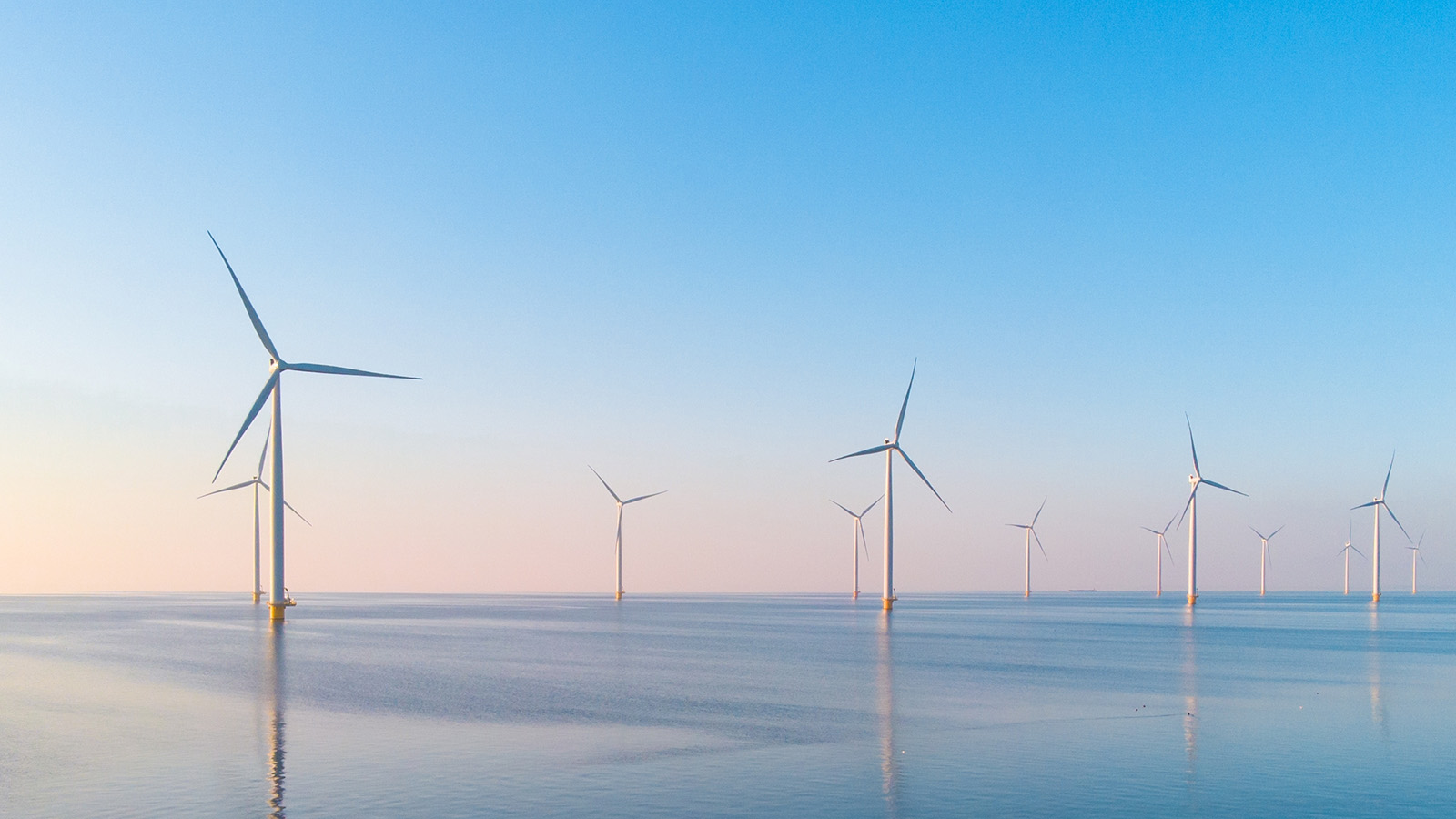
In 2024, UOW accelerated its transition to renewable energy by installing an onsite solar photovoltaic system at the Innovation Campus. The solar PV systems, which are now operational across the UOW Wollongong, Innovation and Southern Highlands campuses, are designed to maximise local consumption of solar energy to reduce reliance on grid electricity and cut greenhouse gas emissions.
Additionally, UOW was successfully awarded a $2.5 million Australian Renewable Energy Agency (ARENA) battery grant to fund the installation of 10 medium-scale batteries. The batteries will have a combined capacity of 2.2MW / 5.42MWh, with work scheduled to commence in 2025.
At the Wollongong campus, two 360kW super-fast EV charging stations were installed in 2024, as well as one 184kW EV charging station and one 22kW charging station, with support from the Drive Electric NSW Electric Vehicle fast charging grants (Round 2). This grant positions UOW as a crucial player in the state’s efforts to create an EV “super-highway” and boosts the region’s transition to zero-emission vehicles.
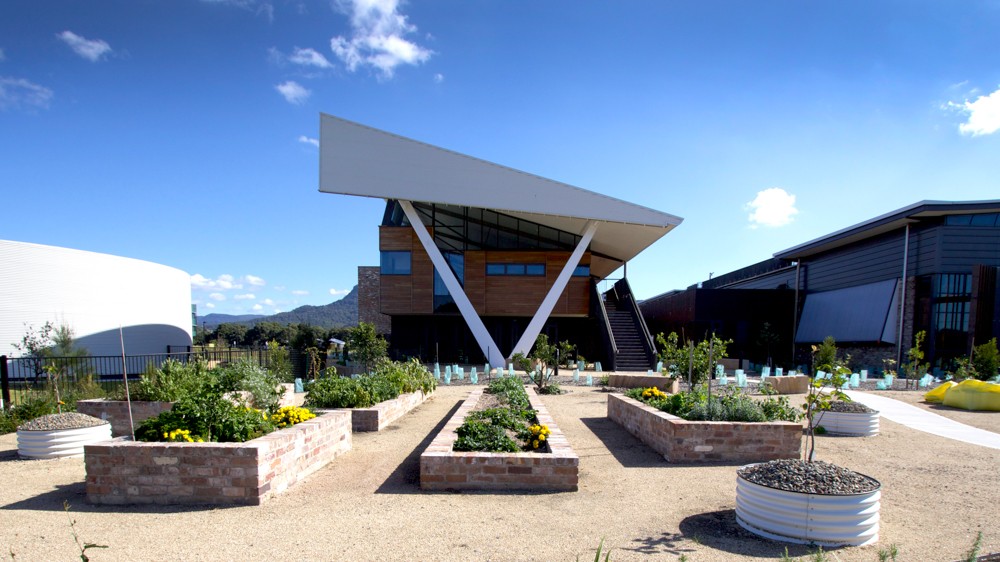
A major milestone was the development of the Clean Energy Living Laboratory at the Innovation Campus, where a precinct-based microgrid enables real-time research on distributed electricity generation, storage, demand management and control technologies. Led by UOW’s Australian Power Quality Research Centre (APQRC), the project is set to be Australia's first mixed-use, precinct-based microgrid. The project has received $1.1 million from the NSW Government to drive the development of microgrid technology and help communities and precincts reduce their carbon footprint.
The University of Wollongong’s 2024 renewables commitment extended beyond infrastructure, with the University renewing its electricity contract in 2024 with the intent to deliver 75 per cent renewable energy, alongside a Virtual Energy Network to trade excess solar power between campus accounts. The University fleet continued transitioning to electric vehicles, and the new charging infrastructure was supported by a staff EV subscription partnership with Origin EV 360, lowering barriers to cleaner transport.

These integrated initiatives support regional clean energy innovation and provide scalable models for other institutions while advancing UOW’s carbon neutrality goals.
All SDGS represented.
See how UOW is working to improve the environmental sustainability of its operations
- No Poverty
- Zero Hunger
- Good Health and Well-Being
- Quality Education
- Gender EqualityGoal 5: Gender Equality
- Clean Water and Sanitation
- Affordable and Clean Energy
- Decent Work and Economic Growth
- Industry, Innovation and Infrastructure
- Reduced Inequalities
- Sustainable Cities and Communities
- Responsible Consumption and Production
- Climate Action
- Life Below Water
- Life on Land
- Peace, Justice, and Strong Institutions
- Partnerships for the Goals
Researchers at UOW's Sustainable Buildings Research Centre (SBRC) used standardised simulation methodology to evaluate how energy efficiency upgrades can transform social housing into net zero energy developments. The study assessed the impact of energy efficiency upgrades across multiple climate zones in NSW, focusing on practical, cost-effective measures to improve thermal comfort, reduce carbon emissions and reduce tenant energy costs.
It was demonstrated that energy efficiency upgrades for low rise unit complexes – particularly solar photovoltaic systems, insulation and appliance electrification – can significantly improve thermal comfort while reducing energy use, costs and carbon emissions. By demonstrating cost-effective upgrade strategies that deliver both environmental and social benefits, this research supports climate change adaptation and thermal comfort improvements for low-income households. The study's findings support a clear pathway for achieving net zero targets in social housing while simultaneously improving living conditions for vulnerable communities.
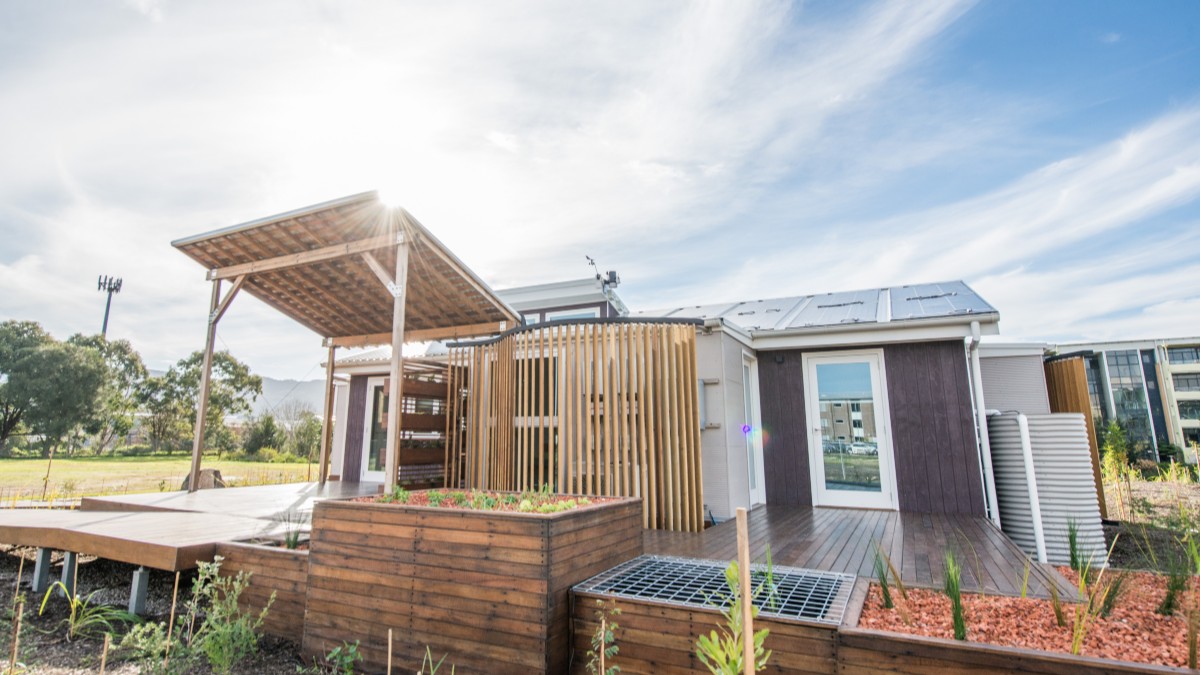
AWARD WINNING ILLAWARRA FLAME
- SDG 7 – Affordable and clean energy
- SDG 10 – Reduced Inequalities
- SDG 11 – Sustainable cities and communities
- SDG 13 – Climate action
Discover how UOW is driving innovation in sustainable buildings