

Case studies
- Research reveals career barriers for women academics in STEM
- How women survive and thrive during uncertainty
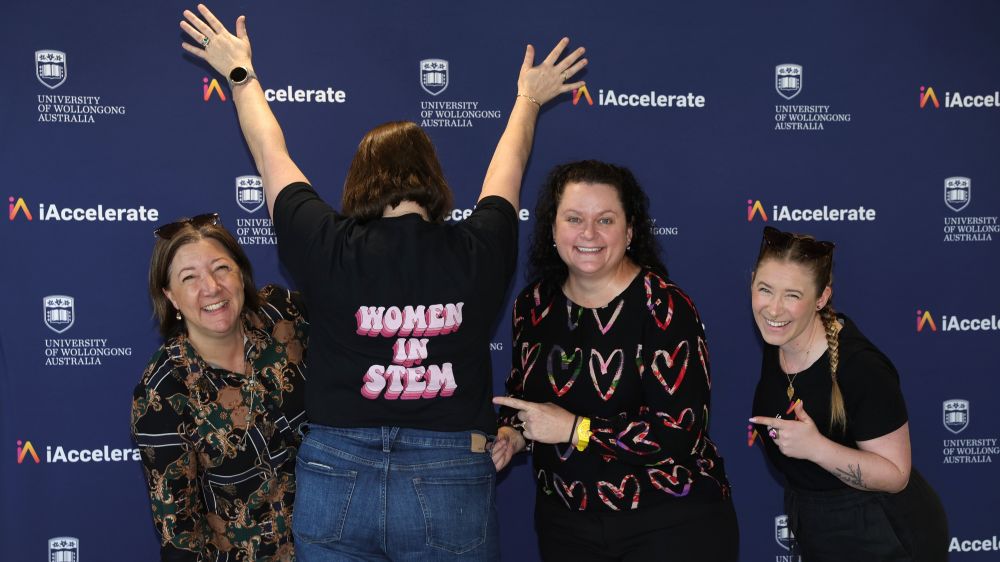
A UOW doctoral research study has uncovered critical insights into how women in Australian STEM academia experience career progression. Identities, intersectionality and career progression of women academics in STEM explored how women academics' identities are shaped and sometimes constrained by university processes.
Through interviews with 32 women academics and 18 career progression decision-makers across 14 Australian universities, the research examined career-related conversations around mentoring, performance and promotion. Analysis revealed that these discussions are not always fair or neutral, often reflecting hidden expectations around gender, race and professional identity. These findings demonstrate how power and discretion influence who receives recognition or support, offering insights into how academic careers can be made more fair, inclusive and supportive of diverse identities
Conducted by doctoral candidate Iresha Donmanige and Associate Professor Shamika Almeida from UOW's School of Business, the research aims to create more equitable institutions by improving governance practices and strengthening quality education through the retention and progression of underrepresented academics.
- SDG 5 – Gender Equality
- SDG 8 – Decent Work and Economic Growth
- SDG 10 – Reduced Inequalities
A UOW study examining women entrepreneurs' experiences during crises has provided valuable insights into psychological resilience and business sustainability in developing economies.
Surviving and thriving during uncertainty: Evidence from women entrepreneurs focused on Sri Lanka's flower industry, analysing the psychological capacities of women entrepreneurs before and during the COVID-19 pandemic.
The research revealed the complex interplay between women entrepreneurs' psychological capital, including self-efficacy, optimism, hope and resilience, and their emotional responses to unprecedented disruption. Despite facing disproportionate impacts from social, cultural, health and economic disruption, these women demonstrated remarkable adaptive capacity.
Led by Dr Nelly Liyanagamage from the School of Business, the research found that women entrepreneurs, while particularly vulnerable to uncertainty, possess unique psychological resources that enable business continuity. The research offers practical recommendations including development programs to enhance small business competitiveness and increased government assistance through incentives for growth, market access and internationalisation.

- SDG 1 – No Poverty
- SDG 3 – Good Health and Wellbeing
- SDG 5 – Gender Equality
- SDG 8 – Decent Work and Economic Growth
- SDG10 – Reduced Inequalities
Learn how psychological capital helps women thrive in uncertainty