

Case studies
- Educational linguists across borders
- Exploring refugee experiences in regional Australia
- UOW launches Indigenous Education and Engagement Strategy 2024–2028
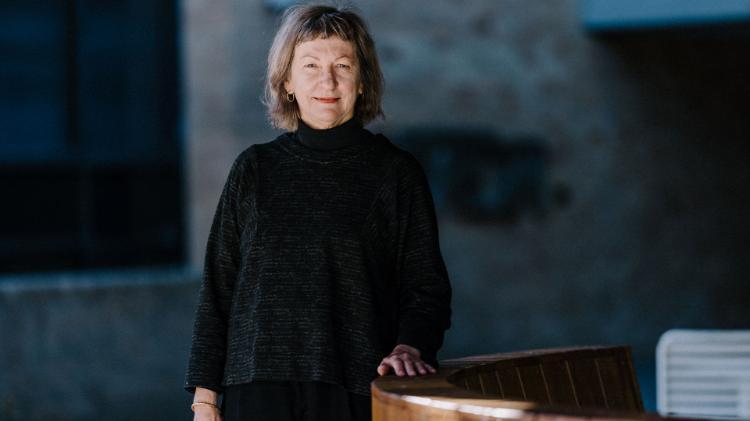
A team of UOW School of Education linguists have joined forces with the Universities of Kryvyi Rih and Kharkiv, TESOL Ukraine, and a US partner to deliver a project which aims to enhance Ukrainian students’ proficiency in English, equipping them with the necessary language skills to thrive in international contexts.
The Bilingual Ukrainian English Primary Schools in Ukraine project came about after Ukraine born and raised, Dr Ruslana Westerlund, from Wisconsin Cooperative Educational Service met with academics from Ukrainian universities. Yet it was after Dr Westerlund’s trip to Australia in 2016 and meeting with UOW’s Associate Professor Pauline Jones and Emeritus Professor Beverly Derewianka, two leading figures in educational linguistics and authors of the best-selling book Teaching Language in Context, that she became eager to bring these innovative approaches to her home country of Ukraine.
Despite being delayed by the difficult political situation in Ukraine, the project began in September 2023, marking a significant milestone in advancing bilingual education and English language proficiency in Ukraine.
- SDG 4 – Quality Education
- SDG 10 – Reduced Inequalities
- SDG 16 – Peace, Justice and Strong Institutions
- SDG 17 – Partnerships for the Goals
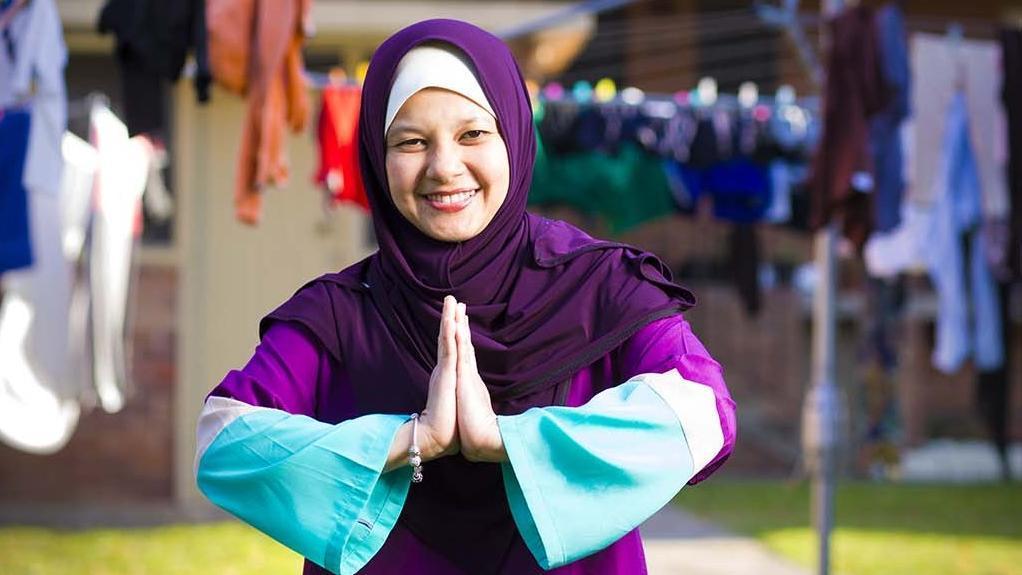
Led by UOW Associate Professor Natascha Klocker from the School of Social Sciences, Settling well in regional Australia: Experiences of people from refugee backgrounds represents one of the most comprehensive assessments of the impacts of refugee settlement in regional Australia. The study is funded by the Australian Research Council Linkage Program until 2026, with support from five partner organisations including the Department of Home Affairs and Multicultural NSW.
The project examines how regional settlement impacts people of refugee backgrounds themselves, as well as the communities in which they settle. The research team has conducted in-depth interviews with hundreds of former refugees, community stakeholders and First Nations custodians, operating across six study sites in New South Wales, Queensland and Victoria.
Settling Well aims to answer a range of important questions, with findings expected to enhance government decision-making and maximise positive outcomes for both former refugees and their destination communities.
- SDG 3 – Good health and wellbeing
- SDG 10 – Reduced inequalities
- SDG 11 – Sustainable cities and communities
- SDG 16 – Peace, justice and strong institutions
- SDG 17 – Partnerships for the Goals
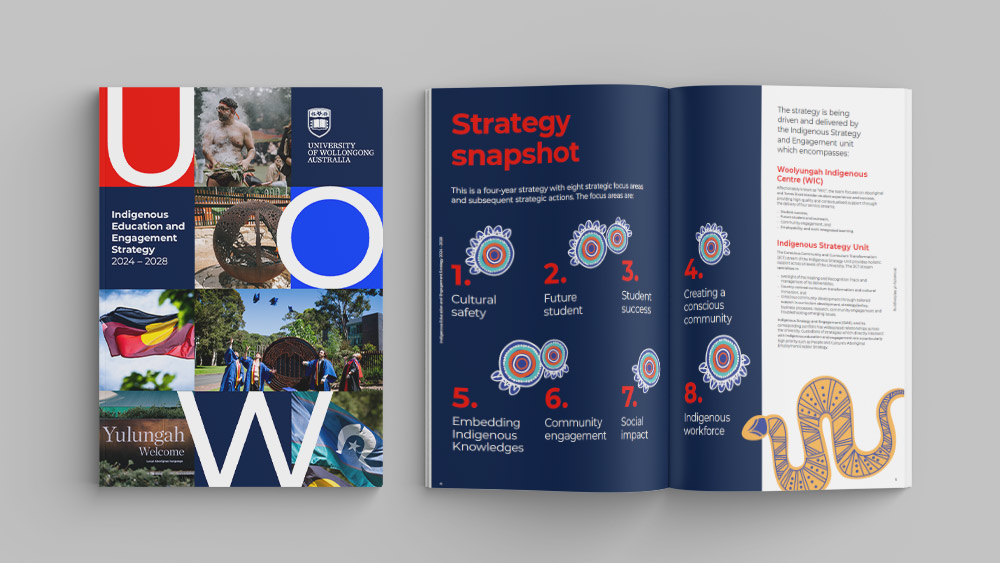
UOW launches Indigenous Education and Engagement Strategy 2024–2028
In 2024, UOW's Indigenous Strategy Unit launched the Indigenous Education and Engagement Strategy 2024-2028, marking a significant milestone in the University's commitment to Aboriginal and Torres Strait Islander advancement.
The comprehensive strategy encompasses deliverables and strategic actions designed to resurrect, reinvigorate and advance partnerships with Aboriginal and Torres Strait Islander students, staff and community. At its core, the strategy navigates the transformative path of students while celebrating the interconnectedness of community and education.
The strategy aims to provide an overarching framework of self-determination, illuminating the University's commitment to an accountable and transparent way forward for staff, students, communities and partners. It reinforces UOW's position as a leader in Indigenous higher education, providing clear priorities and measurable outcomes for meaningful progress.
- SDG 4 – Quality Education
- SDG 10 – Reduced Inequalities
- SDG 16 – Peace, Justice and Strong Institutions
- SDG 17 – Partnerships for the Goals
Learn how UOW is strengthening partnerships with Aboriginal and Torres Strait Islander communities