

Case studies
- 400-year temperature record shows catastrophe for Great Barrier Reef
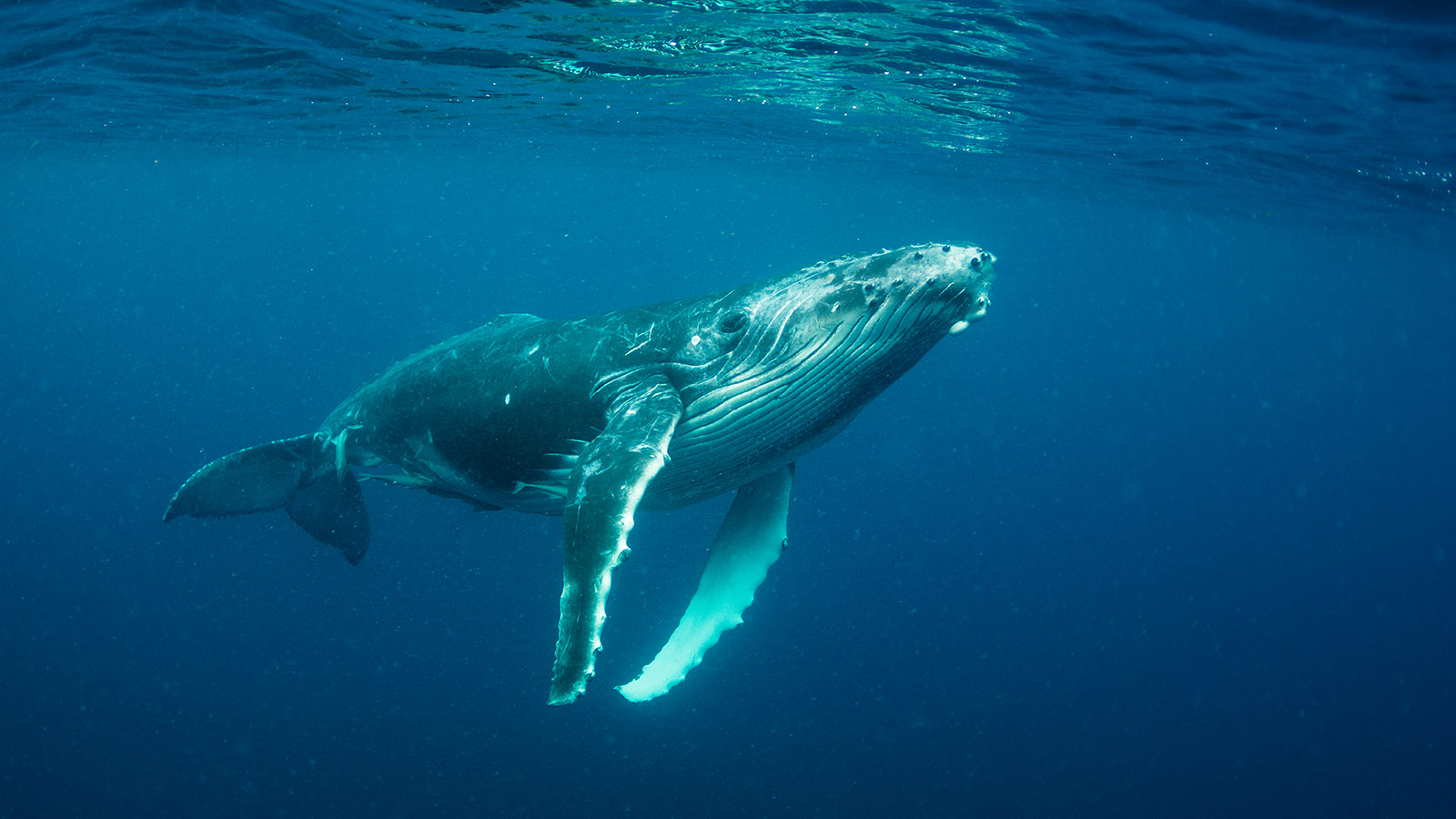
- Whale Songlines bridges culture and science for marine conservation
According to new research led by UOW Research Fellow Dr Benjamin Henley, the Great Barrier Reef is under critical pressure, with warming sea temperatures and mass coral bleaching events threatening to destroy the remarkable ecology, biodiversity and beauty of the world's largest coral reef.
University of Wollongong researchers, including marine scientists and climate experts, analysed coral cores to build a 400-year temperature record of the Great Barrier Reef. Their work demonstrated that recent warming far exceeds natural variability, correlating with increased coral bleaching and reef degradation.
Professor Helen McGregor from the School of Science was the second author of the study. "The Great Barrier Reef is facing catastrophe if anthropogenic climate change is not immediately addressed,” Professor McGregor said. “The very corals that have lived for hundreds of years and that gave us the data for our study are themselves under serious threat.”
The research, published in the world-leading scientific journal Nature, has equipped policymakers with crucial evidence to pursue deeper cuts in greenhouse gas emissions internationally, emphasising the urgent need for emissions reductions and reef protection policies. The study’s evidence base supports advocacy for sustainable marine management and has influenced global climate negotiations focused on preserving vulnerable ecosystems.

- SDG 13 – Climate Action
- SDG 14 – Life Below Water
As part of the Global Challenges Program, UOW’s Whale Songlines project pioneered innovative environmental storytelling through extended reality (XR) technology, bridging Indigenous knowledge systems with contemporary data visualisation to empower creative cultural leadership.
Led by Senior Lecturer Guy Freer from UOW’s School of the Arts, English and Media and Research Fellow Dr Emily W. Yap from the Sustainable Buildings Research Centre, the unique art and science collaboration projects real-time environmental simulations onto 3D-printed terrain models. Using recyclable PET plastic, the sustainable technology displays whale migration patterns, water flow dynamics, sea temperature changes and sea-level rise scenarios, creating powerful storytelling platforms where scientific data meets diverse ways of knowing.
The interdisciplinary team worked alongside local communities and international partners, including the Australia Pacific MicroLab in Tonga, combining visualisation technology with traditional Pacific knowledge systems to support marine conservation.
The system's intuitive interface enables users to upload custom datasets, adjust parameters in real-time, and create compelling visual stories about changing landscapes. By combining cutting-edge technology with traditional knowledge systems, Whale Songlines empowers diverse communities to understand, share and act upon environmental experiences, fostering informed decision-making and culturally appropriate climate action for sustainable futures.