

Case studies
- Catalysing collective action for effective weed management
- Electric buses drive sustainable transport forward
- Reimagining urban greening through human-plant relationships
- How indoor air quality affects the transmission of airborne diseases
- Enabling demand flexibility for net zero buildings
Discovery Early Career Researcher Award (DECRA) Fellow Associate Professor Sonia Graham from the School of Social Sciences investigated how seven communities successfully controlled weeds over 30 years. Weeds represent a major threat to natural ecosystems and sustainable rural industries, and current policies call for communities to act collectively to manage weeds; however, there is little empirical evidence about effective approaches.
Drawing from over 100 interviews, Associate Professor Graham’s extensive case studies demonstrated that collective approaches through Landcare and Rivercare groups achieved superior economic and environmental outcomes compared to individual efforts. Most significantly, the research revealed substantial social benefits from collaborative weed management, such as nurturing robust social networks that enable community resilience in responding to climate-related hazards.
For the first time, the study has provided evidence that collective weed management delivers greater environmental impact while simultaneously strengthening community bonds. This groundbreaking work shows how community-based environmental action can be a powerful strategy in successful climate adaptation.

- SDG 11 – Sustainable Cities and Communities
- SDG 13 – Climate Action
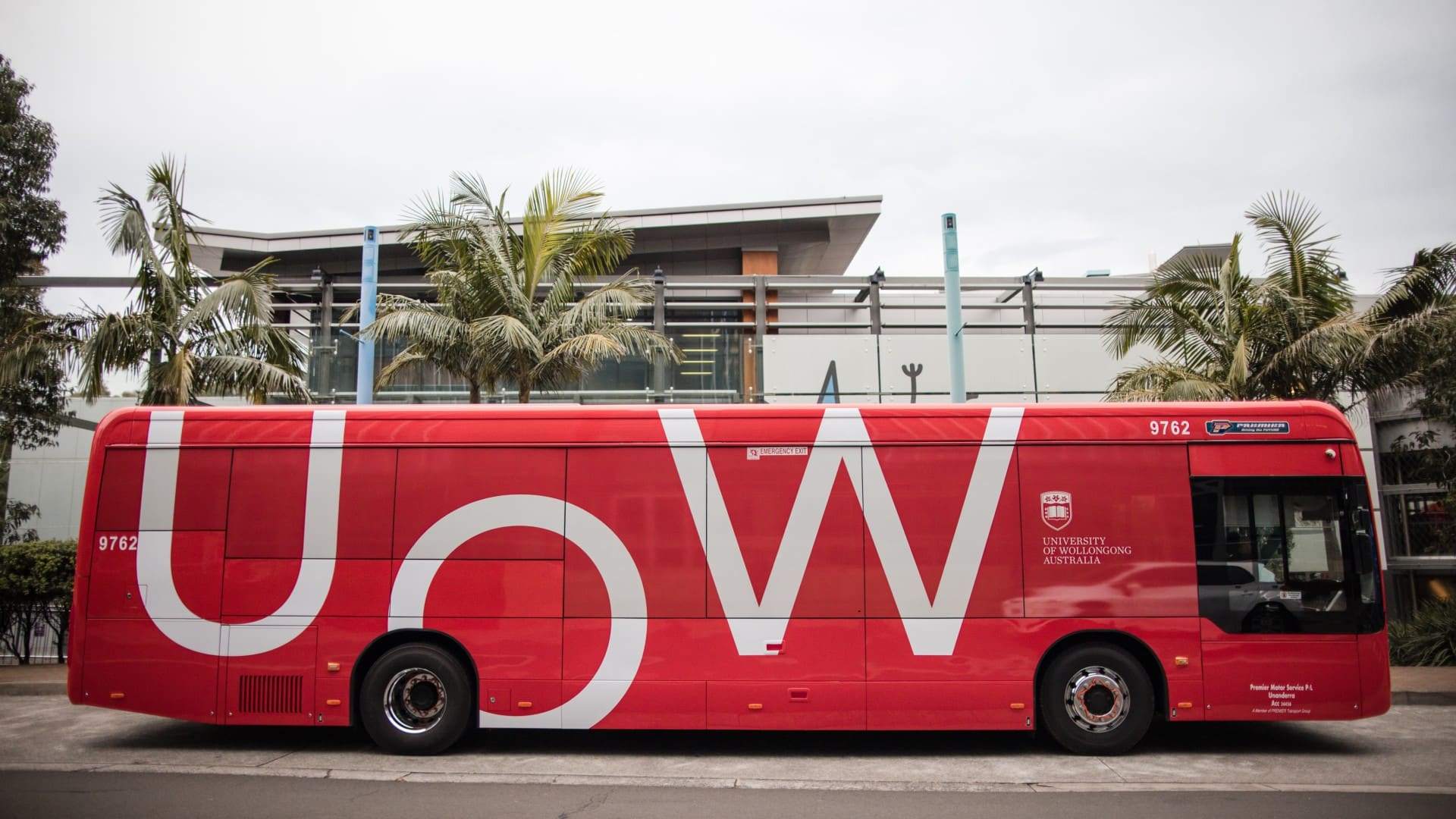
In June 2024, UOW introduced two zero-emissions electric buses on its Wollongong campus, operating on the popular North Gong Shuttle routes. The vehicles are the first fully electric buses to operate in the Illawarra region, replacing the previous hybrid fleet.
More than 25 per cent of UOW students, staff and visitors use the free shuttle bus services, making this transition a key component of the University’s commitment to achieving carbon neutrality by 2030. The buses are expected to reduce greenhouse gas emissions, lower noise pollution and improve air quality on campus, while continuing to reduce reliance on private vehicles.
This initiative highlights UOW’s leadership in environmental responsibility and commitment to practical, community-focused climate action. The electric bus rollout also serves as a model for other institutions seeking to reduce their carbon footprint through innovative and sustainable transport solutions.
- SDG 7 – Affordable and Clean Energy
- SDG 11 – Sustainable Cities and Communities
- SDG 13 – Climate Action
Explore how UOW is electrifying campus transport
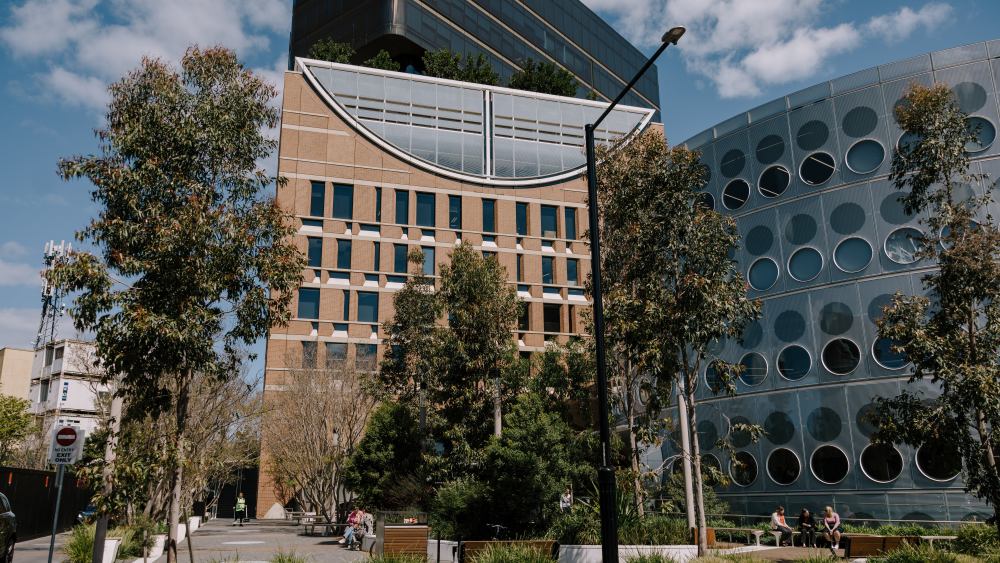
Understanding the complex relationships between people and plants in urban environments is critical for successful city greening initiatives. UOW researchers are pioneering groundbreaking research that examines how humans experience urban vegetation in their everyday lives and why conflicts over greening projects continue to emerge across Australian cities.
This innovative project is led by ARC Future Fellow, Associate Professor Dr Jennifer Atchison, from UOW's Geography and Sustainability discipline within the School of Social Sciences, in partnership with the University of Canterbury and the University of Melbourne. Using cutting-edge concepts and methods to generate new knowledge about contested human-plant geographies, the team investigated how diverse socio-cultural relations drive disputes over urban greening in three Australian cities, offering crucial insights that have been poorly understood until now.
The research addresses a vital challenge facing urban planners and policymakers: while urban greening is essential for sustainable, liveable and climate-adapted cities, conflicts over these initiatives continue to cause delays and even project failures. Expected outcomes include transformative understandings of key human-plant relationships, facilitated international collaborations, and significant findings that will improve urban greening policies and governance frameworks.
- SDG 3 – Good Health and Wellbeing
- SDG 11 – Sustainable Cities and Communities
- SDG 17 – Partnerships for the Goals
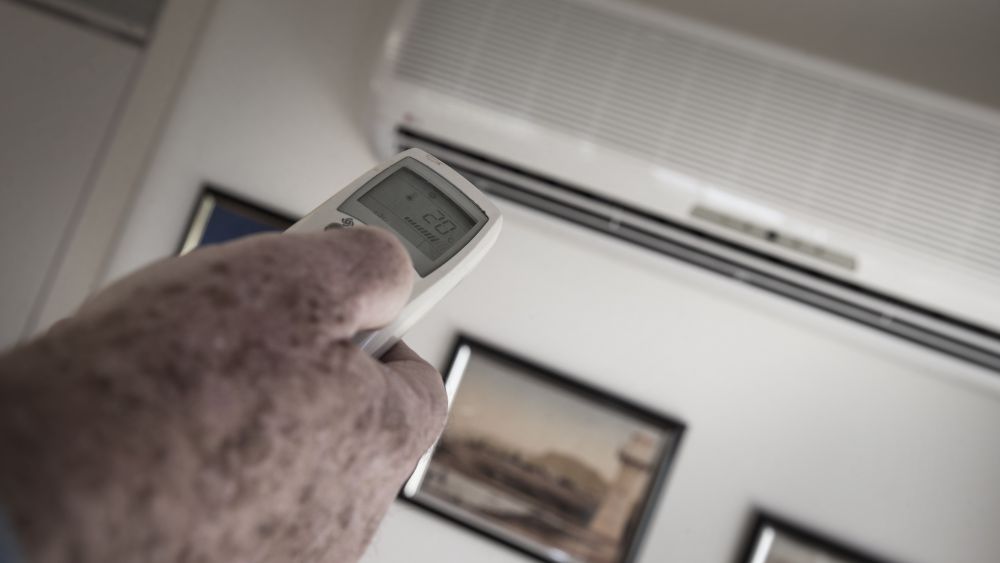
UOW's Sustainable Buildings Research Centre (SBRC) completed a comprehensive review examining the impact of indoor air quality on airborne viral disease transmission in Australia’s indoor environments. Commissioned by the Office of the Chief Scientist of Australia on behalf of the Prime Minister’s National Science and Technology Council, the review synthesised evidence across mechanisms of airborne disease transmission, strategies to improve air quality, indoor air monitoring potential, and energy efficiency impacts.
The research examined economic and health impacts of airborne diseases, with findings offering practical guidance for creating healthier indoor environments in public buildings, schools, offices and healthcare facilities.
This work demonstrates UOW's leadership in translating building science research into practical solutions that protect public health. The research provides actionable insights for improving air quality while maintaining building energy efficiency, providing crucial evidence for policy makers and building managers.
- SDG 3 – Good Health and Wellbeing
- SDG 11 – Sustainable Cities and Communities
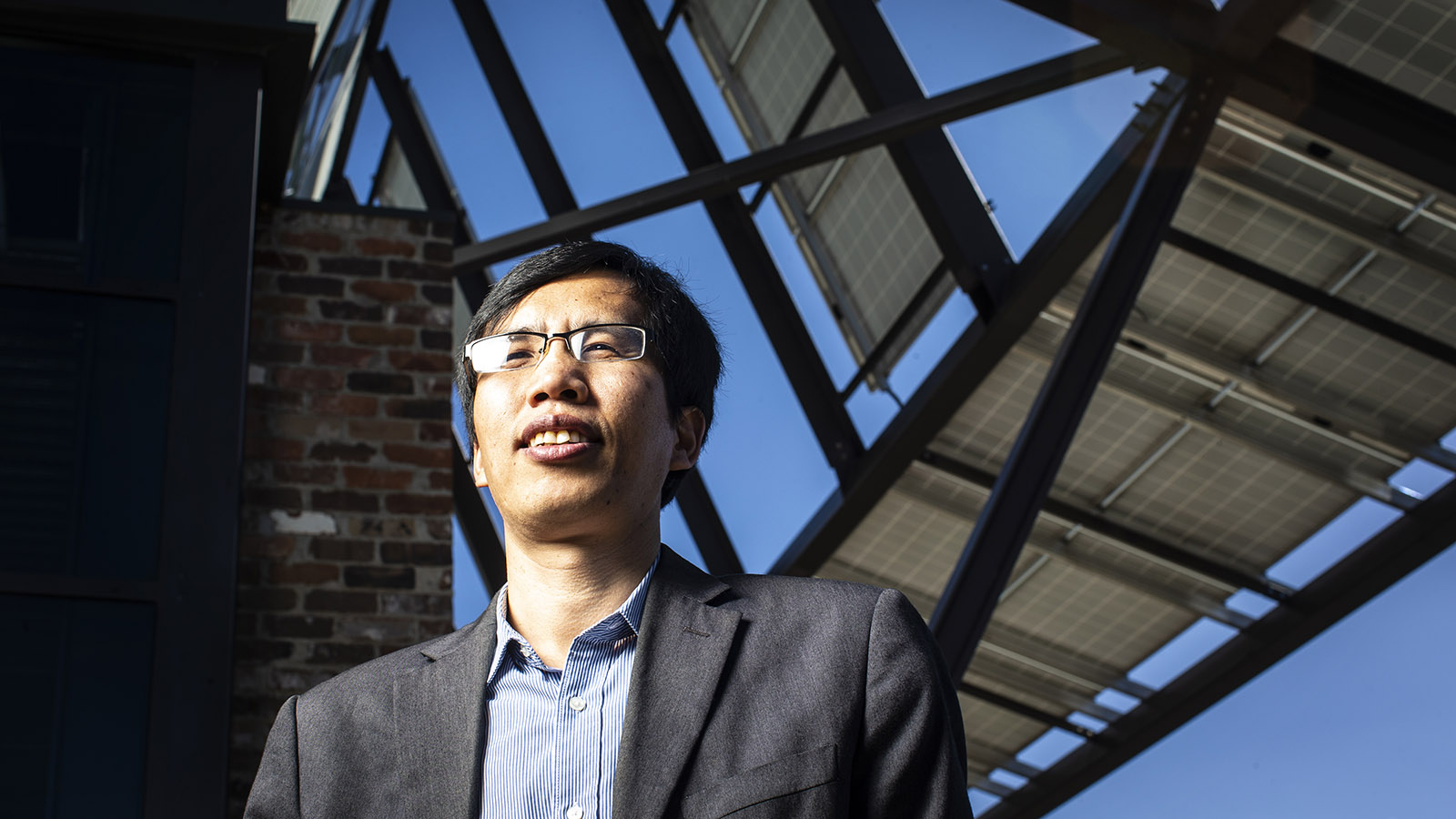
Professor Zhenjun Ma and a team from the Sustainable Buildings Research Centre (SBRC) have pioneered demand flexibility solutions, enabling buildings to shift or reduce energy use in response to grid requirements. As Australia progresses toward net zero emissions, integrating renewable energy sources into buildings becomes essential; but their intermittent nature can destabilise electricity grids.
In collaboration with CSIRO and over 50 international researchers, the SBRC explored the deployment of a digital-grid infrastructure that unlocks five megawatts of flexible energy across 200 non-residential buildings. This would allow buildings to better align energy use with periods of high renewable generation, resulting in reduced emissions, lower energy costs and improved grid reliability.
Alongside physical testing, the SBRC team has developed virtual building models to simulate energy scenarios and test flexibility strategies without disrupting daily operations. This combination of experimental data and digital modelling forms a powerful toolkit for identifying scalable, practical demand flexibility solutions.
The project demonstrates how buildings can actively support the transition to renewable energy and net zero targets. In recognition of the SBRC’s innovation and impact, Professor Ma received a prestigious national excellence award in 2024.
- SDG 7 – Affordable and Clean Energy
- SDG 11 – Sustainable cities and Communities
- SDG 13 – Climate Action
- SDG 17 – Partnerships for the Goals