What will Antarctica be like in 50 years?

Antarctic Futures

Antarctic Futures was an exhibition, seminar series and set of early learning workshops held in 2022 that considered the nature and future of the Antarctic continent. It highlighted Illawarra artistic and scientific engagement with Antarctica and equipped young ‘citizen science’ activists with knowledge of Antarctic ecosystems, how Antarctica affects global climate and how climate change is affecting Antarctica. We acknowledge support by the University of Wollongong Gallery and Art Collection, Early Start and Securing Antarctica’s Environmental Future program; Inspiring Australia National Science Week funding, and New Zealand’s Antarctic Heritage Trust.

Antarctic Futures 2022 themes

Over 4000 people of all ages engaged in this 10-week event held in 2022, which covered four main themes:

An introduction to Antarctica and Antarctic science. This theme highlighted some of the challenges of managing a place like Antarctica such as climate change, ozone depletion, human presence and environmental change.

An intimate sense of the trip to Antarctica, focusing on travel from Hobart to the Australian Antarctic bases and highlighting rolling seas, Sub-Antarctic islands, Antarctic convergence, sea ice, glaciers, wildlife, historical huts and scientific bases.

A peek into UOW Antarctic research projects that explore issues of climate change and the instability of Antarctic environmental systems. Attendees met with scientists who have visited the continent, who worked on samples in the lab and ran experiments in the field to study Antarctic life.

Insights into the monitoring, researching, preserving and imagining of Antarctica. Drawing together scientific and artistic perspectives, the event considered potential Antarctic futures.
Activities and events

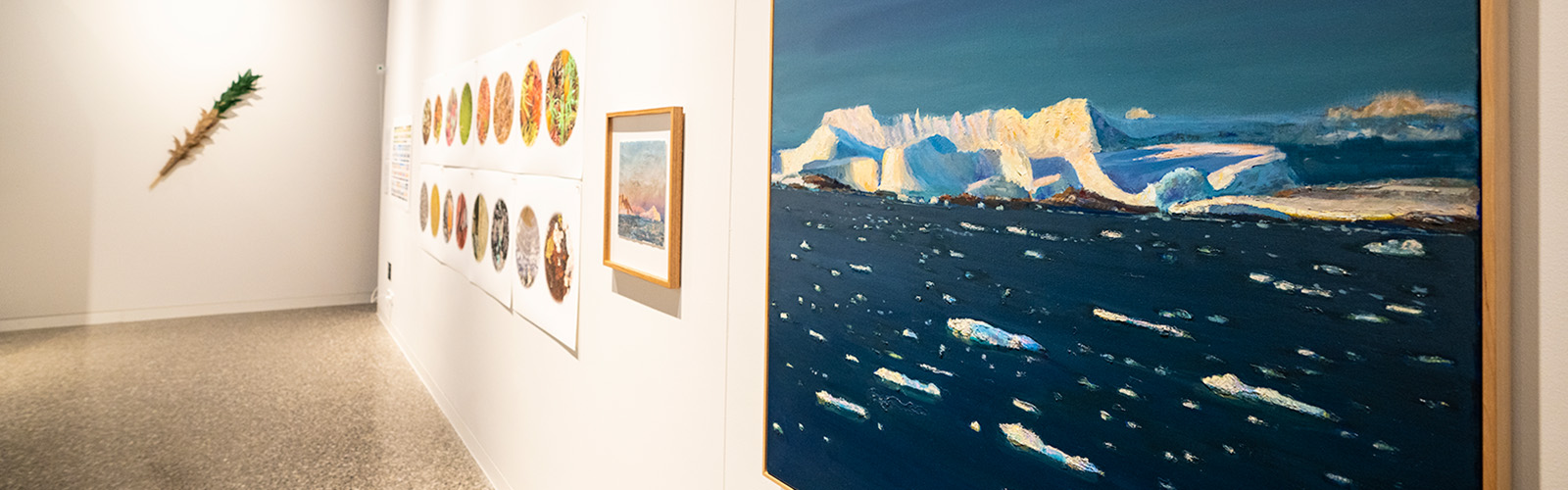
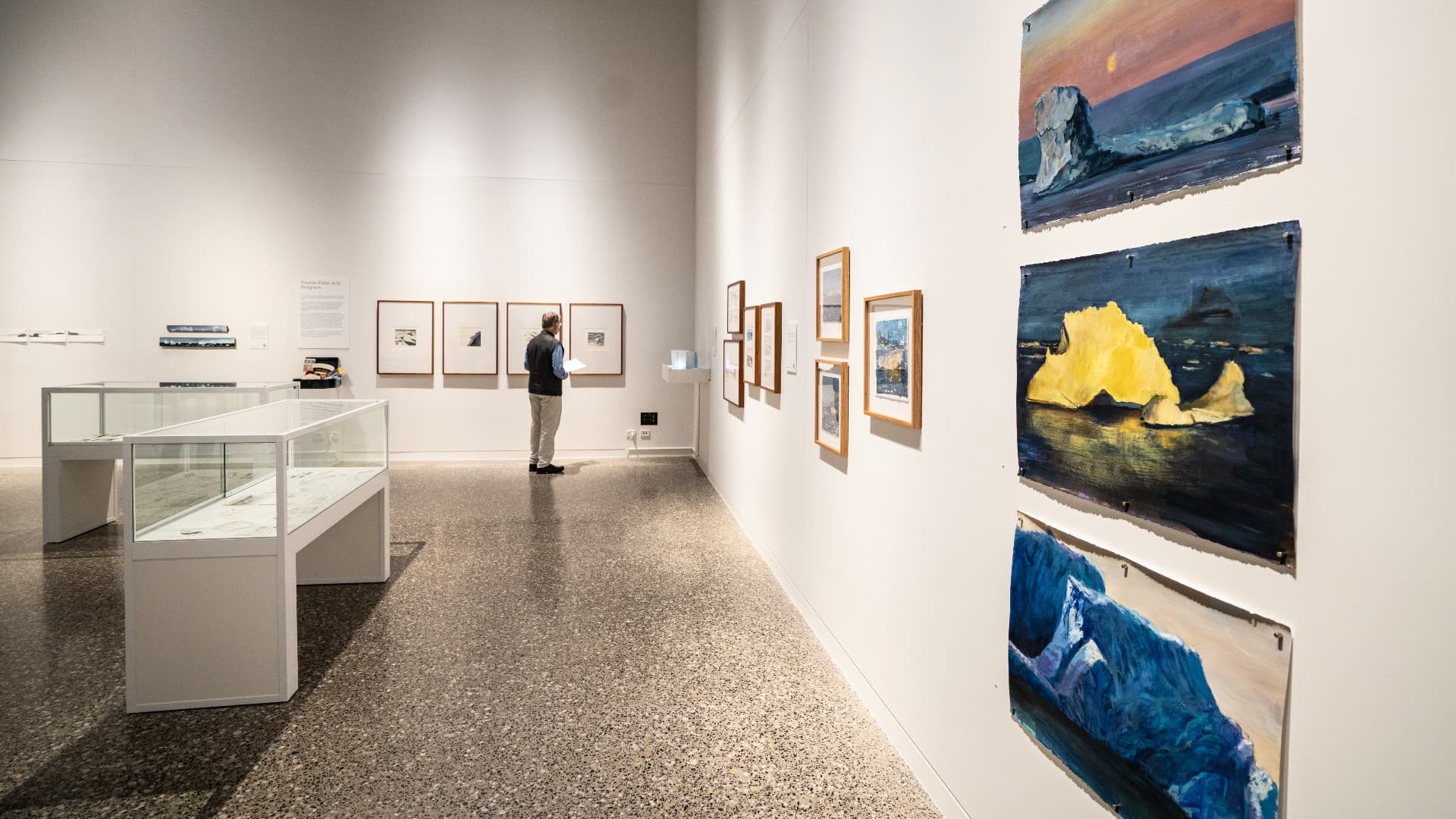
The Antarctic Futures exhibition ran in the UOW Gallery, Jillian Broadbent Building in 2022. It was officially launched during National Science Week, with a capacity crowd of over 100 guests.

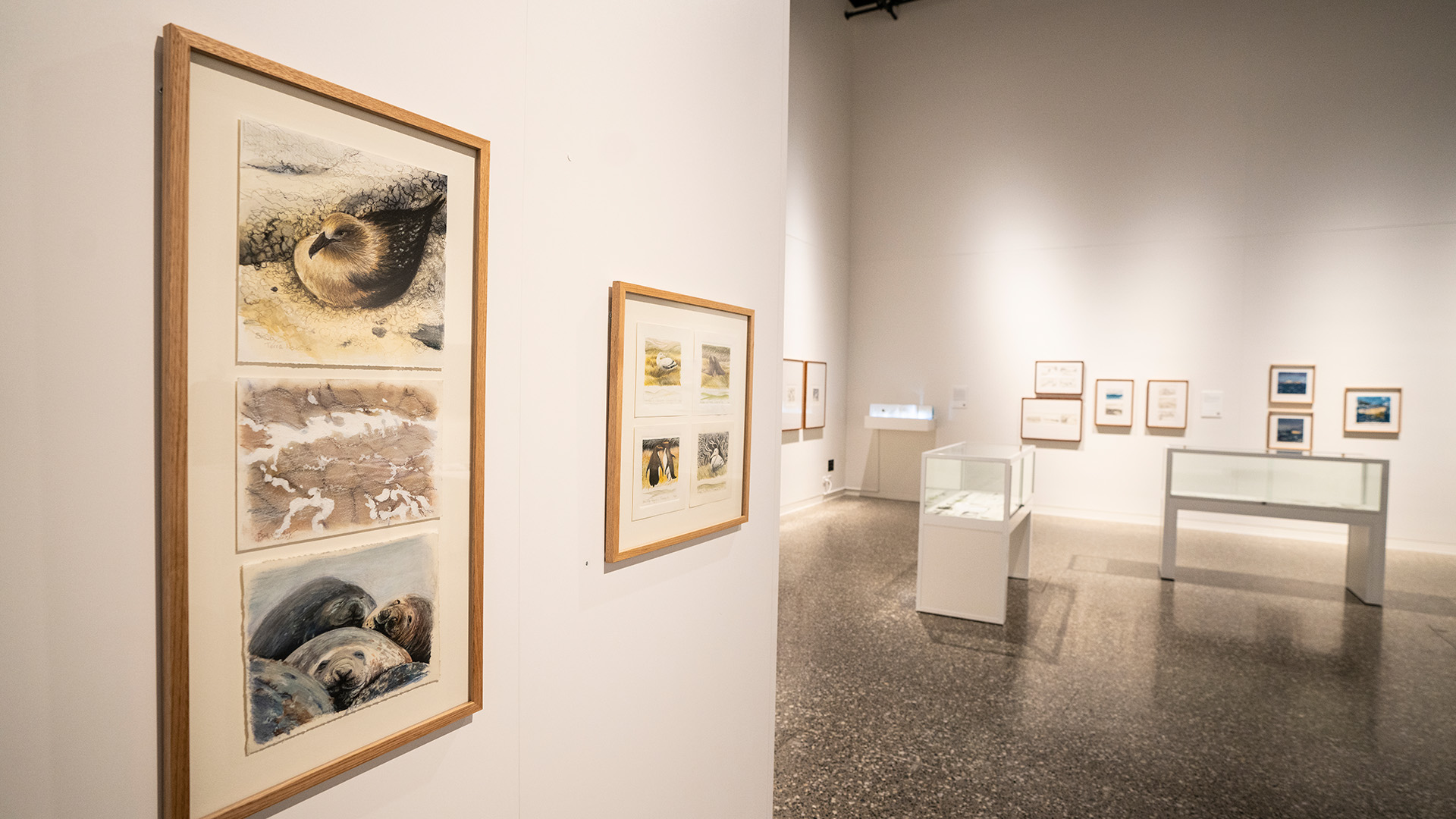
It included work by artists and scientists who have visited Antarctica, either under the auspices of national level scientific and artist residency programs or via the former Illawarra based Theme Polar Arts program. The varied body of work from various artists and scientists had the common aim of representing the Antarctic environment and reflecting upon its future.

The exhibition ran for 10 weeks from August to October and was visited by people interested in Antarctica and climate change, members of the local arts community, high school students in excursion groups, tertiary students in creative arts tutorials, journalism students conducting interviews for assignments and Antarctic expeditioners.

The Antarctic Futures team partnered with the University of Wollongong Early Start Discovery Space educators to bring Antarctica to young families, in particular during National Science Week and Book Week. The next generation of scientists, artists, climate activists and problem solvers were engaged and inspired through interactive workshops co-created with the creative Early Start educators, who also helped update the Antarctic-themed Experience.

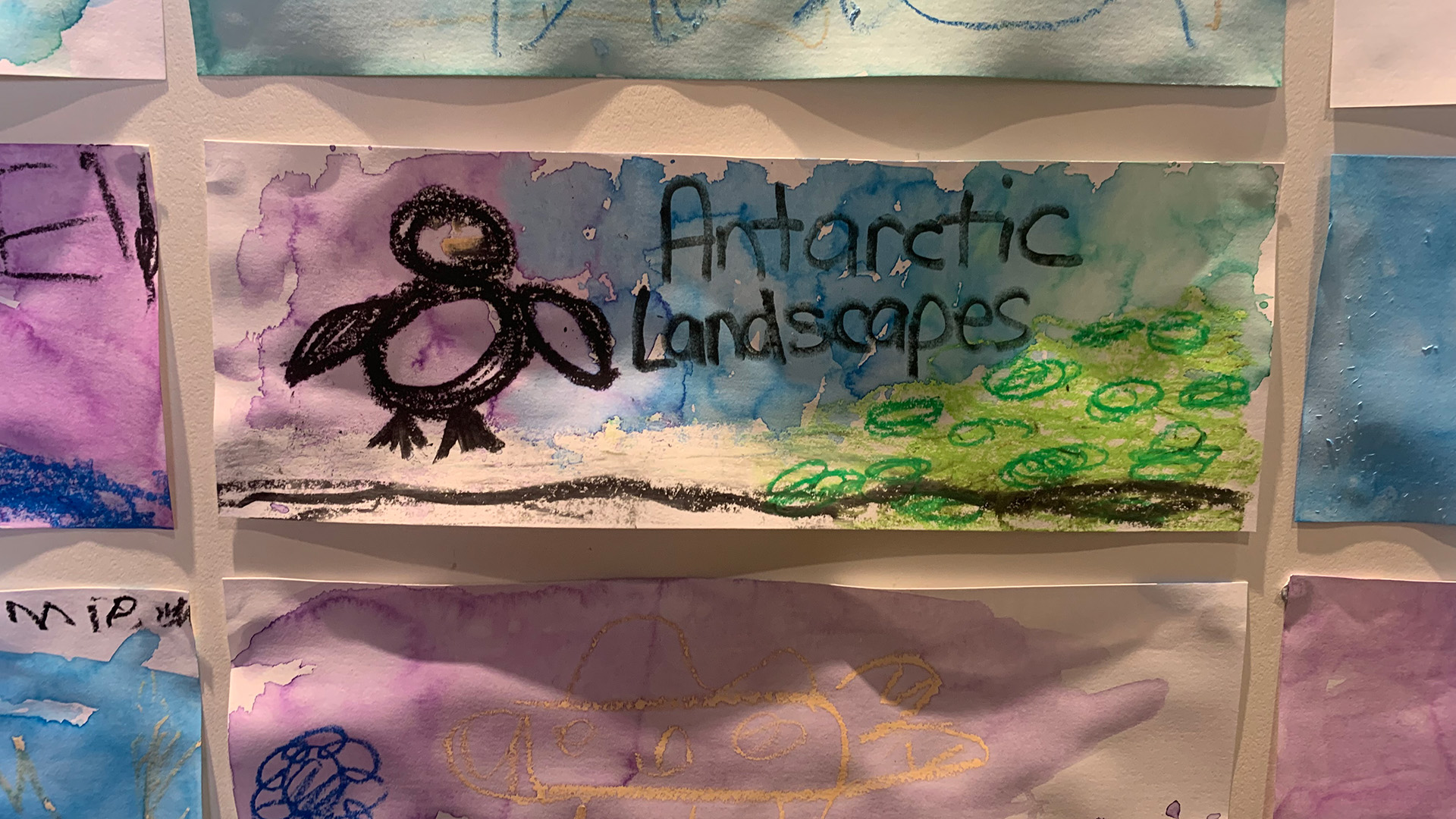
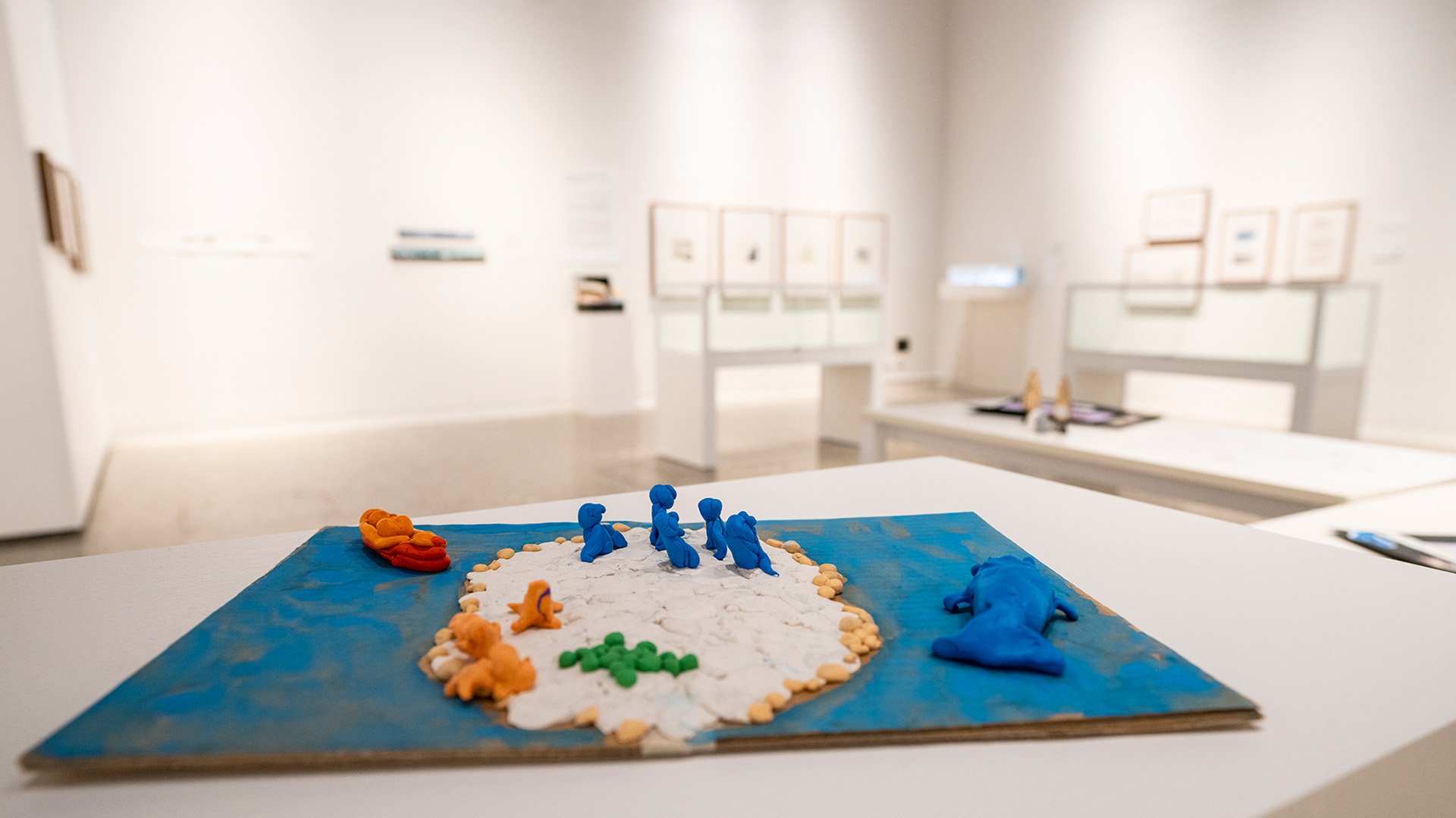
Through special Q&A sessions for children, scientists showed artefacts and shared stories about living and working in Antarctica. During ‘CreARTivity’ sessions, educators guided children to create their own artworks to contribute to the Antarctic Futures exhibition in the UOW Gallery space. Hundreds of children engaged in these activities and the Antarctic installations within the Early Start Discovery Space. 


We hosted presentations, short films and Q&A panels on the complex issues of climate, sea level rise, atmospheric and oceanic warming, glacial retreat, invasive species and biosecurity. These interdisciplinary seminars also extended beyond the science to consider such issues as the value of science-fiction in terms of conceiving viable environmental futures, the continuing value of the Antarctic Treaty and the role of tourism in Antarctica.

Speakers and panellists included:

The short films were produced by

These seminars were attended by members of the public, undergraduate students and scientists from other organisations including universities and government departments. These events were recorded and uploaded on the UOW Antarctic Futures Seminar series YouTube playlist so that others can continue to benefit from these interdisciplinary conversations between artists, scientists and members of the public.

A man looks at the artwork on the wall of the Antarctic Futures Exhibition. Photo: Paul Jones
A small clay art piece on a pedestal depicts blue and orange figures on a white island surrounded by blue water. Blurred gallery walls visible behind.
Art gallery interior with framed nature and wildlife paintings on white walls. Display cases hold items, creating a calm, contemplative atmosphere.
Child's art depicting a penguin and

Team behind the scenes

Antarctic Futures emerges from two paths of lllawarra based association with the Antarctic – one academic and the other artistic.

The academic genesis of Antarctic Futures stems from a multidisciplinary group at the University of Wollongong involved in the ECO-Antarctica research project. The team brought together expertise across ecology, data science, environmental toxicology, climate science, law, history and the arts.

At its core were researchers connected to Professor Sharon Robinson’s Antarctic moss ecology work. The group’s early collaboration included Antarctic Footprints, a mixed-discipline exhibition at the UOW Innovation Campus highlighting climate change impacts.

Following the conclusion of ECO-Antarctica in 2020, several team members sought to expand their work into a larger public initiative.

Professor Robinson, Associate Professor Brogan Bunt, Dr Melinda Waterman and Georgia Watson partnered with Early Start and the UOW Art Gallery to develop a major event combining exhibition, seminars and children’s workshops.

With support from National Science Week funding, the vision was to blend scientific understanding with imagination to explore possible Antarctic futures.

A second key influence came from the Illawarra-based Theme Polar Arts program, led by artist Ashley Frost.

From 2003 to 2018, the program placed artists aboard Arctic and Antarctic voyages, producing innovative multimedia works. Associate Professor Bunt played a key role in developing these systems and participating in voyages, helping bring this rich artistic legacy into Antarctic Futures.

Antarctic Futures brought together science and art in a dynamic exhibition at UOW Art Gallery.

Featured works included contributions from Theme Polar Arts artists such as Liz Jeneid, Rob Howe, Bettina Kaiser, Trudi Voorwinden and Ashley Frost, alongside artists Janet Laurence and Mary Rosengren, and members of the UOW Antarctic moss research team.

The program extended beyond the gallery through a seminar series blending scientific and humanities perspectives, and workshops combining creative and conceptual approaches to environmental understanding.