

Ensuring the Quality of Australia’s Renewable Energy Future
- Harmonics Compliance Assessment Study
- Impact and Management of Harmonics for Renewable Generators
- CELL project
- Shoalhaven Water Project
- GPST project
Our Robust Methods for Harmonics Compliance Study aims to address challenges in connecting renewable generators to the electricity supply network by developing a robust and prescriptive methodology for the harmonic compliance assessment processes. This will be used as an interim best practice guideline for voluntary use by participating industry stakeholders, and as the basis for a submission to amend the Australian Standards and potentially the National Electricity Rules.
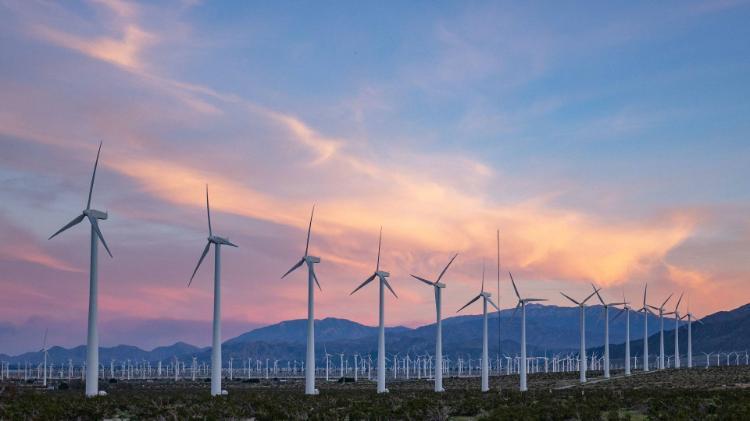
We are leading an ARENA funded project investigating the impact and management of harmonic distortion for large renewable generators. Our project partners include renewable energy generators and equipment manufacturers as well as distribution and transmission network service providers.
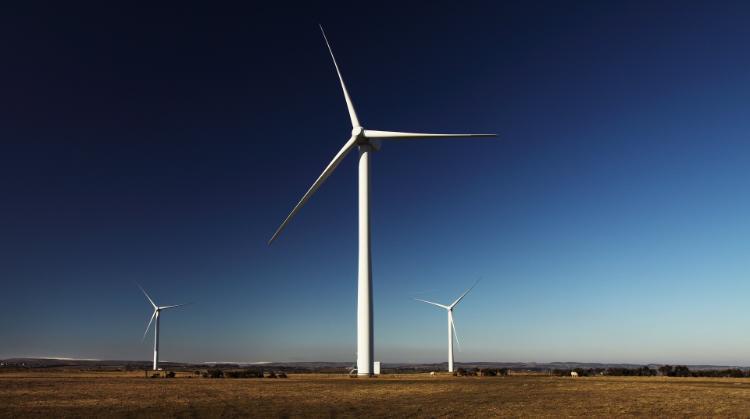
The Clean Energy Living Laboratory (CELL) is a flagship ‘mixed-use, precinct-based microgrid’ at the University of Wollongong’s Innovation Campus. CELL will highlight the technical and economic benefits and challenges of deploying microgrid technologies within the National Electricity Market.
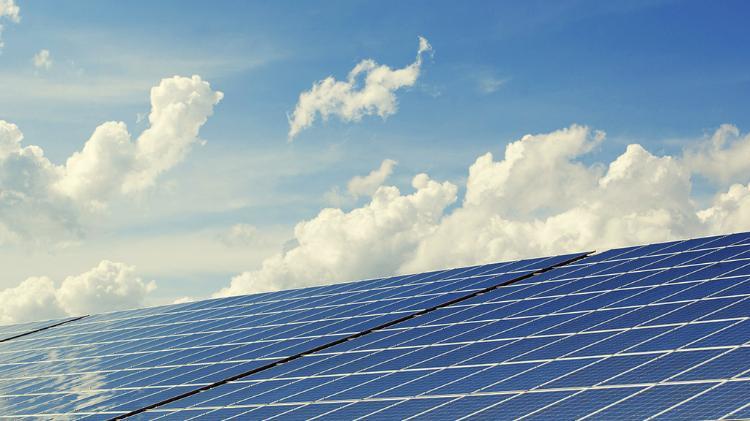
Our Battery Energy Storage for Sewage Pumping Station Energy Resilience project involves design, construction, and deployment of energy storage solutions for electricity supply resilience at 10 sewage pumping stations within the catchment of Shoalhaven Heads, NSW. The objective is to develop an understanding of the energy storage performance, safety and reliability requirements for a sewage pumping station/distributed infrastructure application.
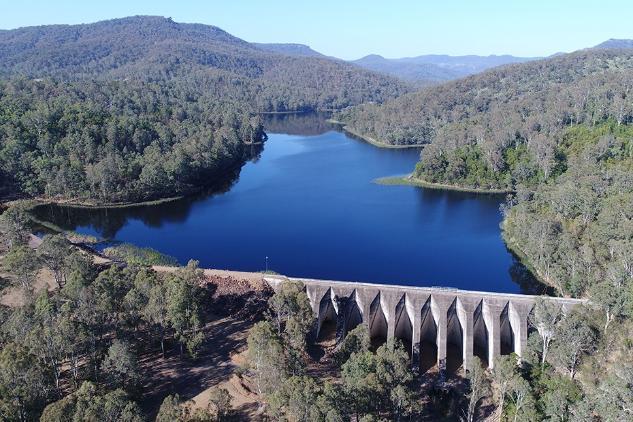
This work is supporting Topic 9: Distributed Energy Resources and Stability of the Australian Research for Global Power System Transformation project administered by CSIRO through engagement with the Global Power System Transformation (G-PST) consortium. Specifically, the work aims to evaluate the dynamic performance of modern loads to power system disturbances. The data collected in this project is being used by AEMO to develop electricity market constraint models which have direct impacts on the costs of electricity.