

June 3, 2026
The perks of polyandry: mating with multiple males leads to home improvement
New research into African tree frogs reveals increased number of mates improves nest quality and survival rate of offspring
The question of why females mate with multiple males has long puzzled evolutionary biologists. A new study of African foam-nest tree frogs, led by University of Wollongong (UOW) researchers, reveals polyandry could be the key to reproductive success and a safer home for offspring.
The findings shed light on how amphibians have evolved to protect their young in challenging environments, presenting a new hypothesis for the evolution of polyandry that ties mating behaviour to the quality of nest construction.

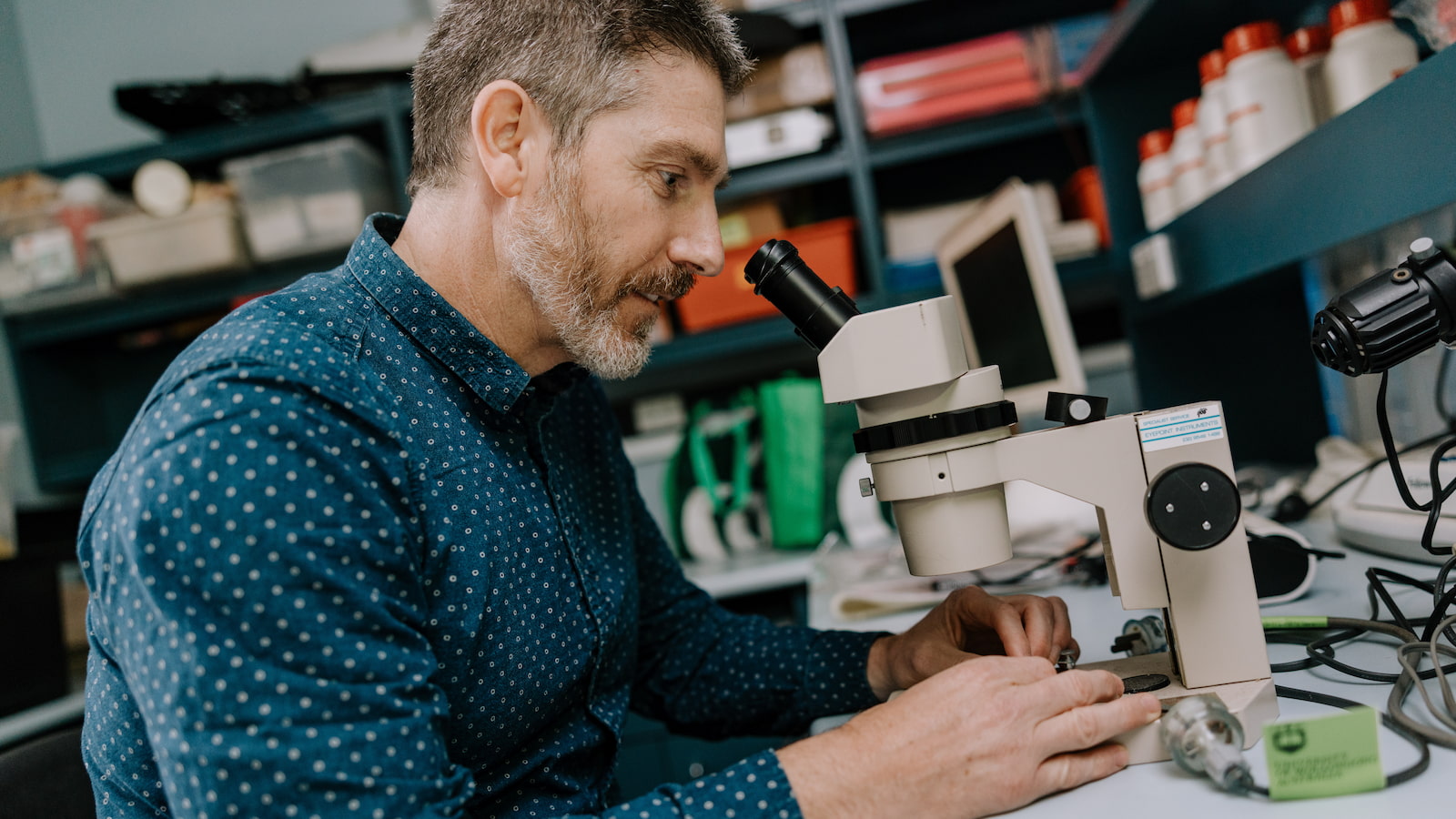
“We discovered that polyandrous matings are almost essential for offspring survival, with helping males gaining a share of paternity as reward for their assistance,” said lead author Professor Phillip Byrne, a renowned frog researcher in UOW’s School of Science.
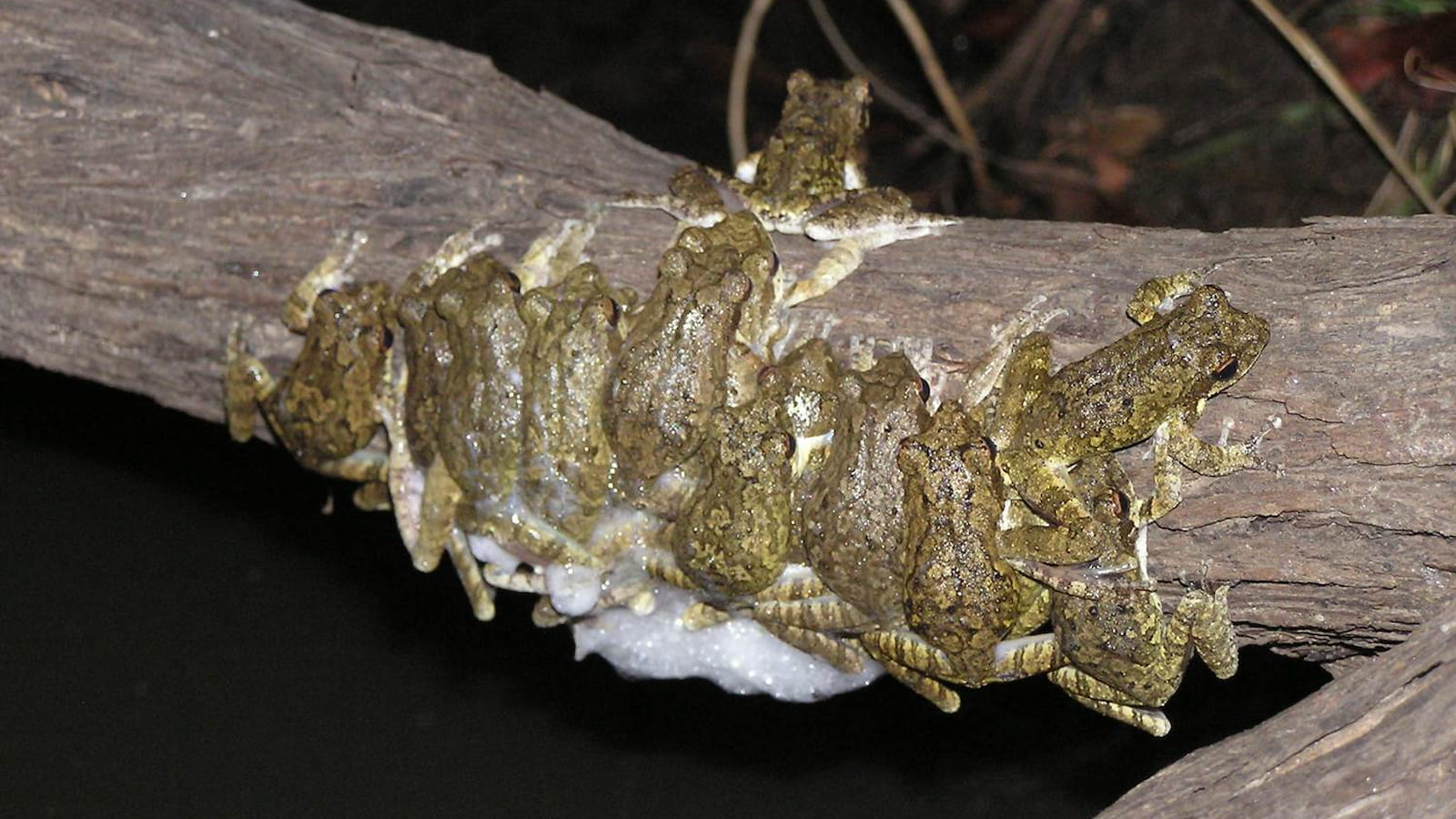
By mating with multiple males, females secure nest building assistance from multiple males and produce bigger nests that are less likely to fail, increasing the chance that their offspring survive. Published in Evolution, the findings suggest nest-building species provide an insight into how polyandry evolved across the animal kingdom. The research challenges the idea that reproduction is always a fierce contest between males.
“Unlike most other animals where males fight to gain the attention of females, the amorous frogs displayed almost no aggression towards each other,” Professor Byrne said.
“Reproduction is more of a coordinated activity than a brutal competition. This pattern may have evolved because any antagonistic behaviours that compromise nest construction would be detrimental to both sexes. It is a remarkable case of reproduce harmoniously or the house collapses and no-one wins.”

The research team highlighted the significance of this finding; nest building is common in nature, and many nest building species are known to have multiple paternity, with anecdotal evidence for various forms of direct or indirect male assistance.
Professor Byrne predicts studying these systems may reveal that nesting-assistance explains the evolution of polyandry in a large diversity of animals, shedding new light on why females seek matings with multiple males.
About the research
‘“Nesting assistance”: a new hypothesis for the evolution of polyandry and a test in the African foam-nesting treefrog’, by Phillip G Byrne, Martin J Whiting, Aimee J Silla, and J Scott Keogh, was published in Evolution: https://doi.org/10.1093/evolut/qpag071