
Pancreatic
cancer research

Help UOW speed up treatment and reduce patient suffering

Pancreatic cancer remains one of the deadliest cancers. Late detection often leaves patients with few options and significant suffering. Your support today powers researchers at UOW’s Molecular Horizons to develop targeted therapies and smarter drug delivery systems, innovations that aim to deliver treatment faster, reduce side effects and ease the burden on patients and their families.

Progress in pancreatic cancer research relies on continuous cycles of discovery, testing, and refinement. With your support, we can accelerate these breakthroughs and bring hope to those who need it most.

With your generous support today, you can:

  • $50 – equip researchers to grow and analyse pancreatic cancer cells
  • $100 – fund a full day in the lab to advance discoveries that speed up treatment.
  • $500 – generate crucial data to pinpoint promising new molecules and understand how tumours evade therapy.
  • $1000 – support a week of cross disciplinary research combining chemistry, biology and engineering to develop targeted treatments.
  • $2,000 – move life-saving research closer to the clinic by preparing studies that turn breakthroughs into options for patients.
  • $5,000 – advance translational research that bridges laboratory breakthroughs to preclinical testing toward new therapies.
  • $10,000 – back a year of hands-on pancreatic cancer research for an Honours or PhD student, advancing life-saving discoveries while nurturing the next generation of scientists.  

Meet the researcher revolutionising pancreatic cancer treatment

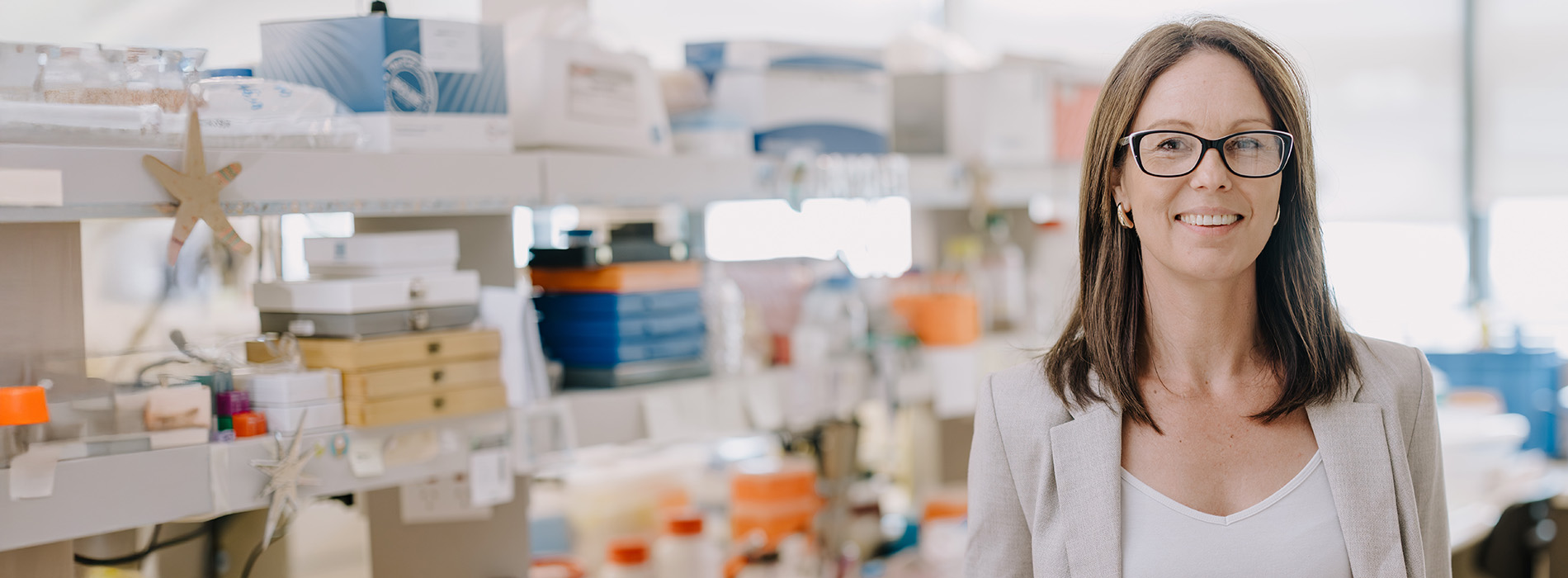
Pancreatic cancer is one of the deadliest cancers, with survival rates stubbornly low and treatments often as harsh as the disease itself. University of Wollongong PhD researcher Elahe Minaei is changing that story.

Donate now

Pancreatic cancer kills 9 out of 10 patients and when diagnosed, patients have months, not years. I use this analogy that the immune system is like an army. In cancers like leukaemia, the army knows the cancer is there and started attacking it, while in pancreatic cancer there is no army to begin with because they don't know that the cancer is there. 

So we use a combination of different treatments to first activate this army and then help it continue the fight. What we are doing in the University of Wollongong is to develop a biocompatible implantable polymer that can be loaded with multiple immunotherapies and can be inserted right next to the tumour and release its content, where then its content can activate the immune system locally and avoid all those systemic side effects. I think Ella Hare brings something quite unique. 

She brings a lot of passion, a lot of drive to the project, but in addition she's very aware about the need to translate this from the bench to the bedside. This research is proven to be very effective in the lab and our goal is to take this into clinic where it can give pancreatic cancer patients more time, more quality of life and more hope. Beyond the immediate impact on treatment outcomes for patients, we see that it might also impact the hospital system, so the treatment time and reducing palliative care time for patients as well, so reducing the overall burden on the hospital and the healthcare system in the future.

Donate to the pancreatic cancer research fund

The information you provide via this form is collected by the University of Wollongong (UOW) for the purpose of processing your donation and communicating with you regarding your donation. This information may also be used to keep you informed about other UOW giving opportunities and donor events.

More information about how your information will be used and stored is provided in the UOW Advancement Privacy Statement and UOW Privacy webpage.

For more information about how your donation will be managed please see our FAQs.