

Shining a light on urban moss: my PhD journey from canopy to concrete
Environmental Futures Seminar - Dr Alison Haynes
-
-
-
Wollongong Campus
32 - G01
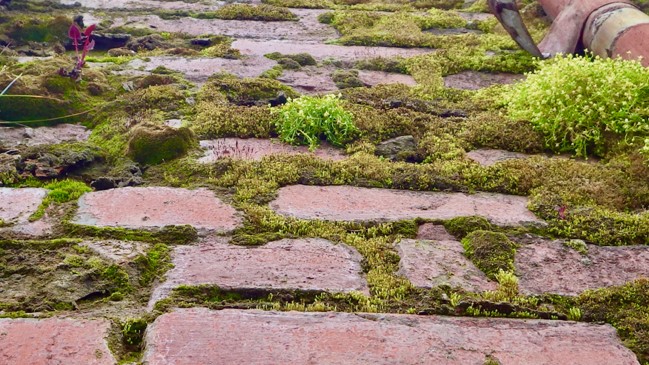
Urbanisation is a major cause of loss of biodiversity worldwide. Novel substrates and reduced canopy bring changes in microclimate including hydrology, temperature and light. In addition to increased pollution and changes in nutrient supply this results in a multi-stressor environment for plants and animals alike. Mosses are an overlooked part of the urban flora, usually spontaneous, therefore ideal candidates to investigate the effects of urban pressures. I used gradient studies and experiments with microclimate and microtopography to quantify moss abundance and diversity in the city and understand factors influencing moss establishment. I surveyed pavement crevices, asphalt car parks and bare soil in green spaces; placed panels of tiles in private gardens for one year and ran a six-month experiment that manipulated water and shade. With increased urbanisation moss growth and diversity was reduced and the moss community was simplified along the gradient. Cosmopolitan, stress tolerating and light loving species dominated. Shade promoted moss growth in the microclimate study, as well as a moist environment. Mosses were highly responsive to microtopography, likely due to moisture retention, shade provided at a micro scale and shelter.
Overall, the findings suggest that mosses are stressed by urbanisation, but that site qualities can mitigate this stress by providing shade and shelter. My work builds an understanding of the challenges and opportunities that cities create. It assists those looking to incorporate moss in building designs, green small spaces including roofs and walls and use moss in stormwater management and cooling. Along the way I learned when not to trust the stats (and dig deeper), and when to believe them, even though results were counterintuitive. I embraced all experiences, including the opportunity to study moss colonisation in Antarctica and live in a tent for four weeks on King George Island. I have developed a deep respect for the small but resilient plants that are mosses.