

June 18, 2026
World-first global assessment maps PFAS pollution in whales and dolphins
Toothed whales serve as early warning sign of how forever chemicals have infiltrated our oceans
Forever chemical contamination is widespread in the marine environment, with world-first study discovering that PFAS levels are on the rise in marine mammals and at their highest in the Pacific Ocean.
Published Marine Pollution Bulletin, the study examined the accumulation of per- and polyfluoroalkyl substances (known as PFAS) across more than 70 species of toothed whales, including dolphins and porpoises. PFAS can disrupt immune, endocrine and reproductive systems, raising concerns for both individual and population health in humans and animals.
Dr Katharina Peters and postgraduate student Lavinia Stokes, from the University of Wollongong’s (UOW) Marine Vertebrate Ecology Lab, were lead authors on the study, which also included Dr Frédérik Saltré from the University of Technology Sydney (UTS) and the Australian Museum, Professor Karen Stockin from New Zealand’s Massey University, and the Australian Government’s Department of Industry, Science and Resources.
“PFAS is released into the marine environment through manufacturing runoff, agricultural processes and industry,” Dr Peters said. “Once in the marine environment, it infiltrates all aspects of the ecosystem. Marine mammals have some of the highest potential to accumulate PFAS among wildlife, likely due to their high position in the food web and their long lifespans.”
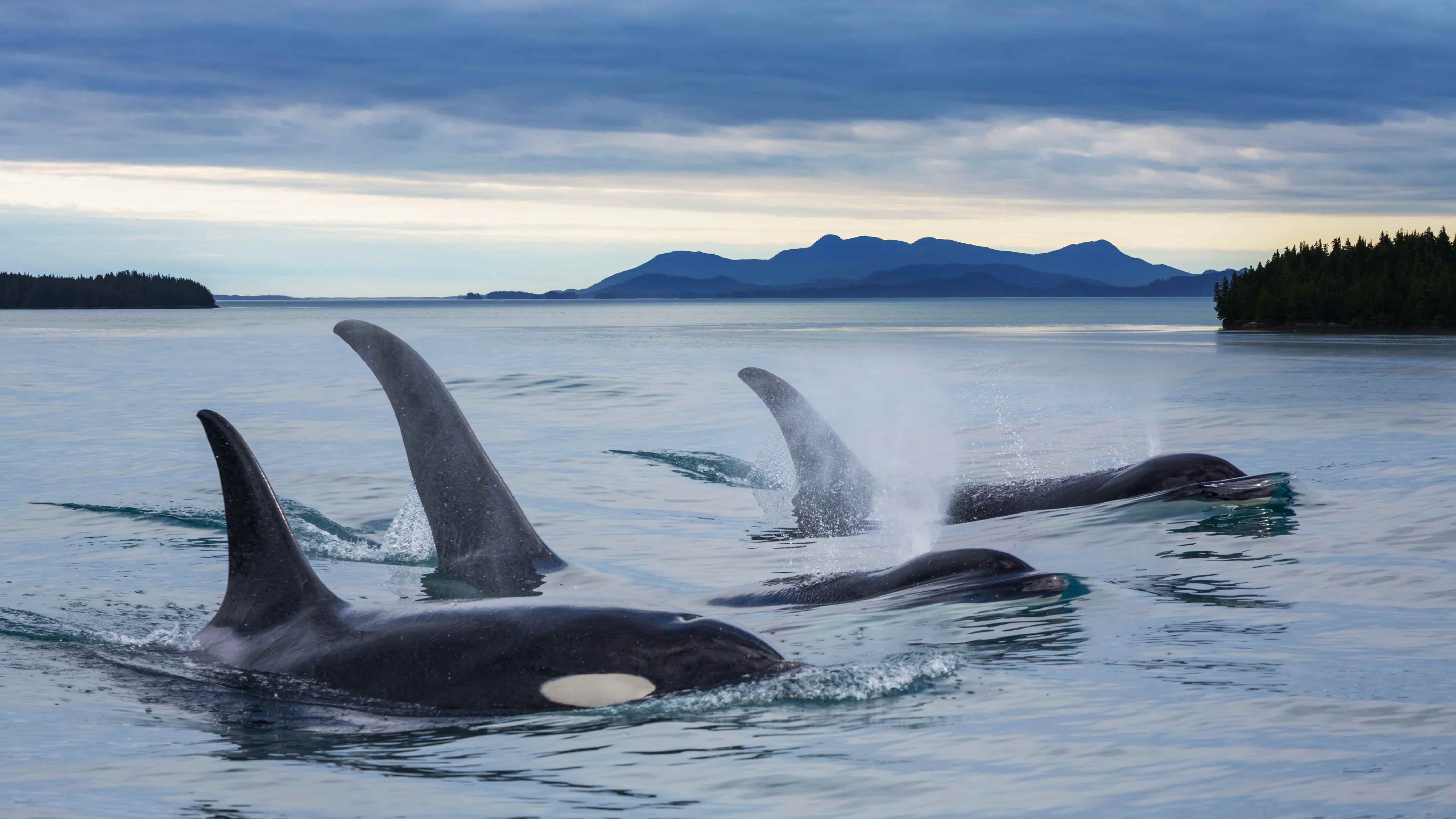
Diet, location, sex and age all contributed to PFAS concentrations, which were highest in young males. While female adults had the lowest concentrations, this may be due to mothers offloading PFAS contamination to their calves via the placenta and their milk.
“PFAS has been detected in the milk of bottlenose dolphins in America and Australia,” Ms Stokes said. “This is very concerning for young animals who are potentially beginning their lives already carrying a large chemical burden. This study highlights the need for better monitoring and more research to understand possible health effects we may not yet recognise.”

Exposure to PFAS varies across ecological environments and peaks in coastal areas where the production and use of forever chemicals was widespread. The Pacific had the highest PFAS levels and the Mediterranean the lowest, which the researchers attributed to regional differences in PFAS production, use and regulatory history. In China and other parts of Asia PFAS production is ongoing, whereas Europe has restricted production of some variants.
“Pollution has a geography. The strong differences among ocean regions and toothed whale groups show that PFAS exposure is shaped by the intersection of human activity, regional pollution histories and species ecology,” Dr Saltré said. “By mapping these patterns globally, we can use marine mammals as ecological sentinels to identify where contaminant levels are high and where monitoring is most urgently needed.”
About the research
‘Global patterns and predictors of PFAS contamination in odontocetes’, by Lavinia Stokes, Karen Stockin, Gavin Stevenson, Jesuina de Araujo, Frédérik Saltré, and Katharina Peters, was published in Marine Pollution Bulletin.