
November 23, 2026
Global recognition for UOW's advanced materials researchers
Clarivate Highly Cited researchers list highlights UOW's international influence in advanced materials and clean energy research
University of Wollongong (UOW) researchers have been recognised among the world's most influential scientists in the 2026 Clarivate Highly Cited Researchers list, reflecting the University's strength in materials science and clean energy technologies.
The list recognises researchers whose publications rank among the top one per cent most cited in their respective fields. This year's list includes 6,802 researchers from more than 1,200 institutions across 62 countries and regions.
“This international recognition reflects the strength and influence of our research in advanced materials, an area of growing importance as the world transitions to cleaner energy and seeks more efficient energy storage and more sustainable industrial technologies,” Vice-Chancellor and President Professor Max Lu AO said.
“Our researchers are contributing to advances in these fields through world-leading science and collaborations with international research institutions and industry, translating new knowledge into technologies with the potential to make a real difference.”
The researchers' work spans next-generation batteries, advanced industrial materials, magnetic technologies and materials that could help improve energy efficiency and support emerging technologies.
Four of the seven researchers have primary affiliations with UOW, working across the University's Australian Institute for Innovative Materials and School of Engineering. Three others have secondary affiliations with UOW, reflecting the University's international research collaborations.
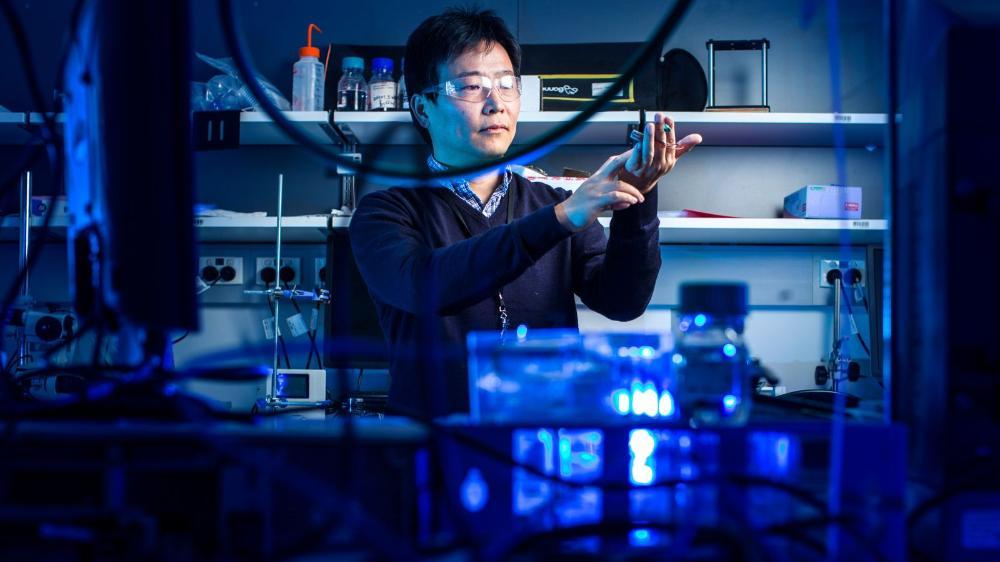
Senior Professor Jun Chen has been recognised for his world leading research in battery technologies.
Research making a difference
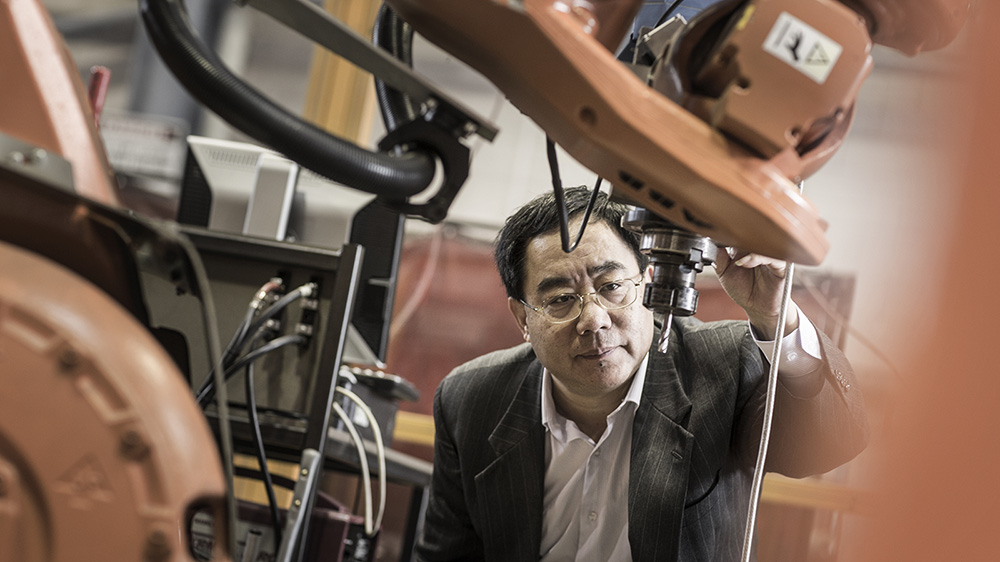
Senior Professor Huijun Li is internationally recognised for his work in advanced manufacturing and metallurgy. His research is helping industry develop stronger, more durable steels that can extend the working life of industrial equipment and reduce maintenance costs.
Senior Professor Jun Chen is a world leader in battery technologies whose research has helped advance lithium-ion and sodium-ion batteries. His work has contributed to commercial applications and international industry partnerships.
Associate Professor Wei Kong Pang is a pioneering scientist in crystallography and battery mechanism studies, developing new ways to understand how battery materials behave at the atomic scale, helping researchers identify how to improve the performance and lifespan of rechargeable batteries.
Dr Jianli Wang investigates the properties of magnetic materials, with potential applications in more efficient solid-state refrigeration, magnetic sensors and other electronic technologies.
Professor Shujun Zhang's research in electronic ceramic materials is helping advance technologies with applications in medical devices, energy storage and renewable energy harvesting.
Professor Yang-Kook Sun is internationally recognised for his work developing advanced materials for energy storage and conversion, particularly next-generation battery technologies.
Dr Yun-Xiao Wang researches next-generation battery technologies, including room-temperature sodium-sulphur batteries that could provide more efficient and longer-lasting energy storage.
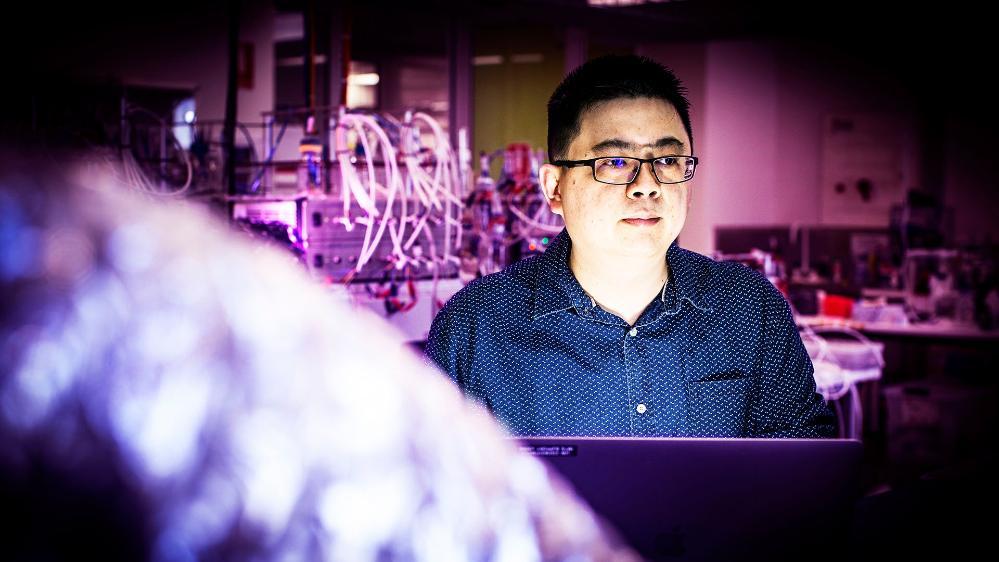
Associate Professor Wei Kong Pang has been recognised for his pioneering research in crystallography and battery mechanism studies.