

September 10, 2026
190,000-year-old cave reveals how ancient human species lived and adapted
UOW researcher’s dating work helps to establish the timeline behind one of the longest records of Denisovan occupation
An ancient cave in southwestern China has revealed new evidence about how Denisovans — an ancient human relative — lived, survived and adapted over more than 100,000 years.
The study, published today in Nature, brings together fossils, stone and bone tools, animal remains and environmental records from Bianfu Cave in Yunnan Province, to provide one of the longest cultural records of Denisovans.
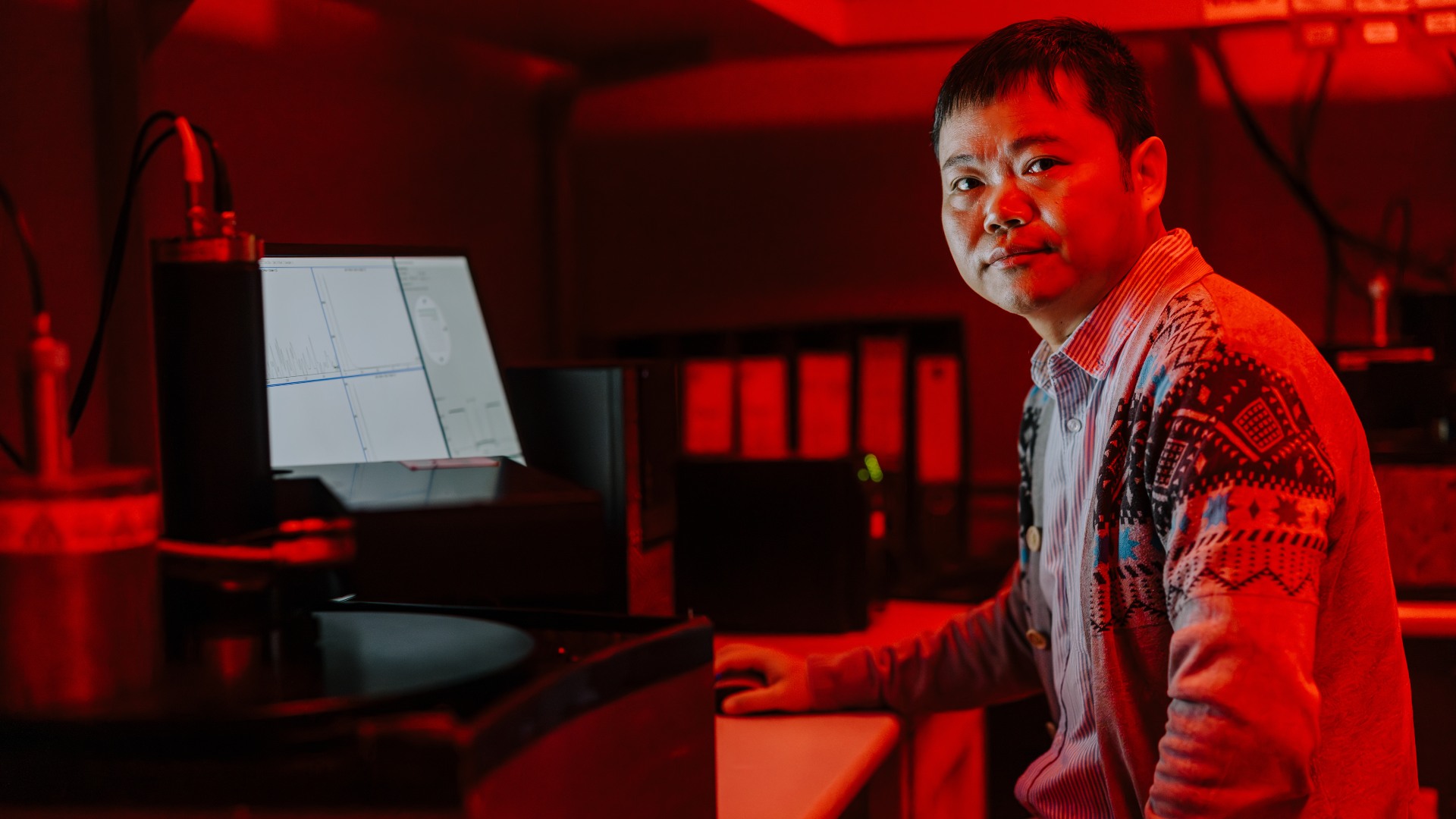
Professor Bo Li from the University of Wollongong’s (UOW) Environmental Futures Research Centre is a lead author on the paper. He has previously led dating studies at other key sites preserving Denisovan remains and evidence of their activities, including Denisova Cave in Siberia and Baishiya Karst Cave on the Tibetan Plateau.
His significant contribution to this study was leading the luminescence and uranium-series dating analyses that established the chronology of Bianfu Cave, where Denisovan fossil remains including teeth, cranial fragments and an arm bone were uncovered alongside more than 1,300 stone artefacts preserved in the cave’s sediment layers.
Professor Li said establishing an accurate timeline was fundamental to interpreting the site.
"Dating a site like Bianfu Cave means reconstructing a timeline stretching back over 190,000 years, using novel techniques that measure the luminescence accumulated in buried sand grains and the natural decay of uranium in the cave speleothems and human tooth enamel," Professor Li explained. "That chronology is what allows us to say, with confidence, not just that Denisovans were here, but roughly when, and for how long."
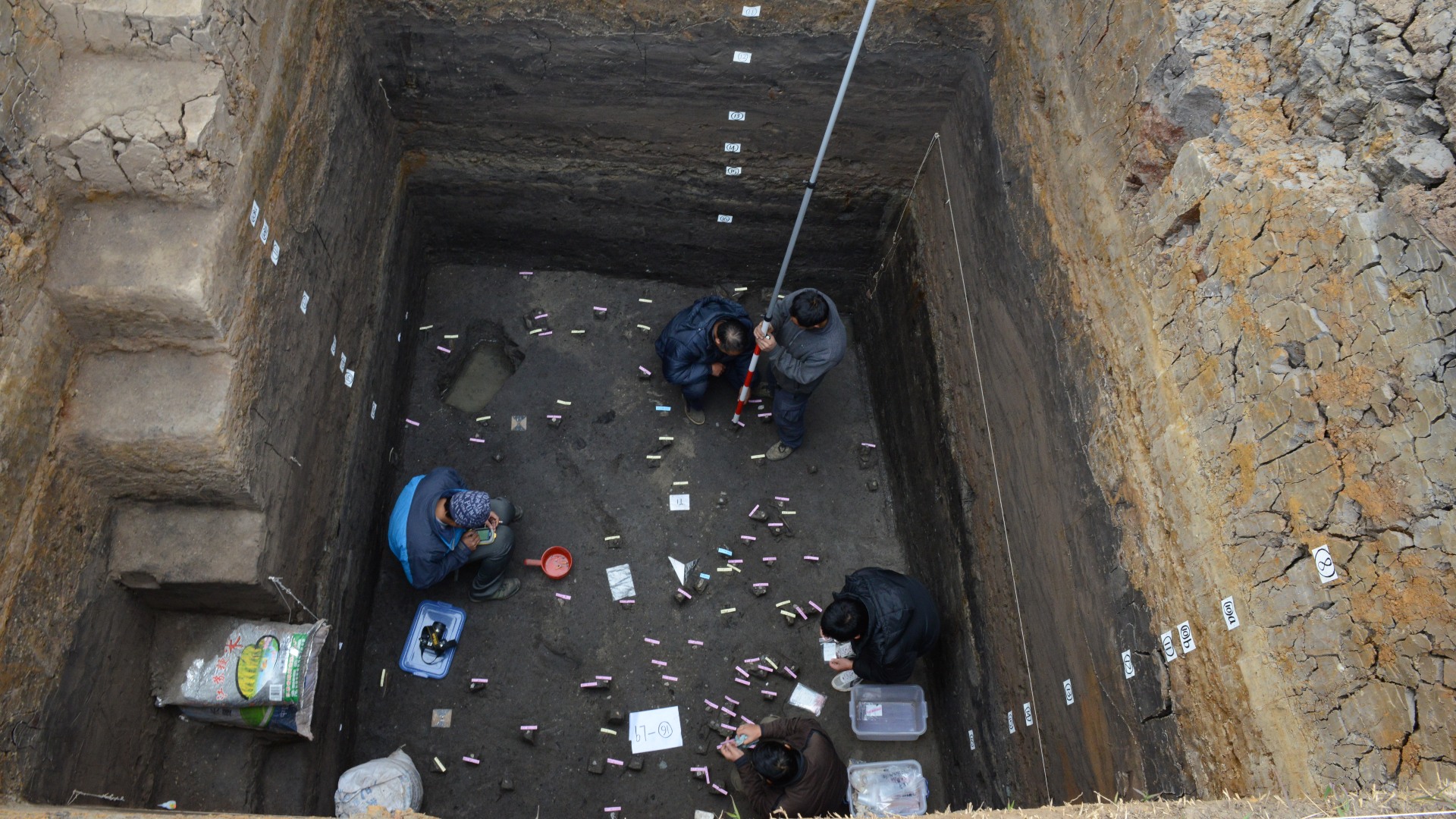
The fossils date to approximately 167,000 to 134,000 years ago, while evidence of repeated human occupation extends from 190,000 to 70,000 years. Together, the findings provide one of the longest archaeological records of Denisovan occupation and adaptation.
Until now, much of what scientists have known about Denisovans has come from a small number of fossil discoveries and genetic evidence still carried by populations across Asia and the Pacific today. Bianfu Cave is significant for bringing multiple strands of evidence together for the first time.
"This site is significant because it brings fossils, technology, subsistence and environment together in one long, stratified record," Professor Li said. "It moves us beyond isolated discoveries and genetically inferred distributions, showing how Denisovans actually adapted to their surroundings. It is evidence of just how diverse the technology of ancient human populations in eastern Asia really was."
Stone and bone tools at the site point to a practical and flexible way of life, showing a resourceful approach to toolmaking using local materials. Cut marks and fracture patterns on animal remains — including deer, water buffalo and gaur — indicate deliberate hunting and processing of large prey at the site. Pollen evidence suggests the cave sat within a conifer forest or similar environment that offered reliable resources through shifting glacial conditions.
ABOUT THE RESEARCH
The study was led by the Yunnan Provincial Institute of Cultural Relics and Archaeology and the Chinese Academy of Sciences, with contributing institutions across China and Europe. Professor Li's contribution was supported by the Australian Research Council and continues UOW’s long-standing involvement in Denisovan research.
The paper is 'Denisovans from southwestern China and their subsistence strategies, published in Nature, by lead authors Hao Li from Chinese Academy of Sciences, Lanzhou University, Qingfeng Shao from Lanzhou University, Nanjing Normal University, Bo Li from University of Wollongong and Fahu Chen from Chinese Academy of Sciences, Lanzhou University, DOI 10.1038/s41586-026-10997-4.