
September 14, 2026
Christen Chisholm named MND Australia’s Early Career Researcher of the Year
UOW researcher honoured for pioneering work to remove toxic proteins and deliver new treatments to the brain and spinal cord
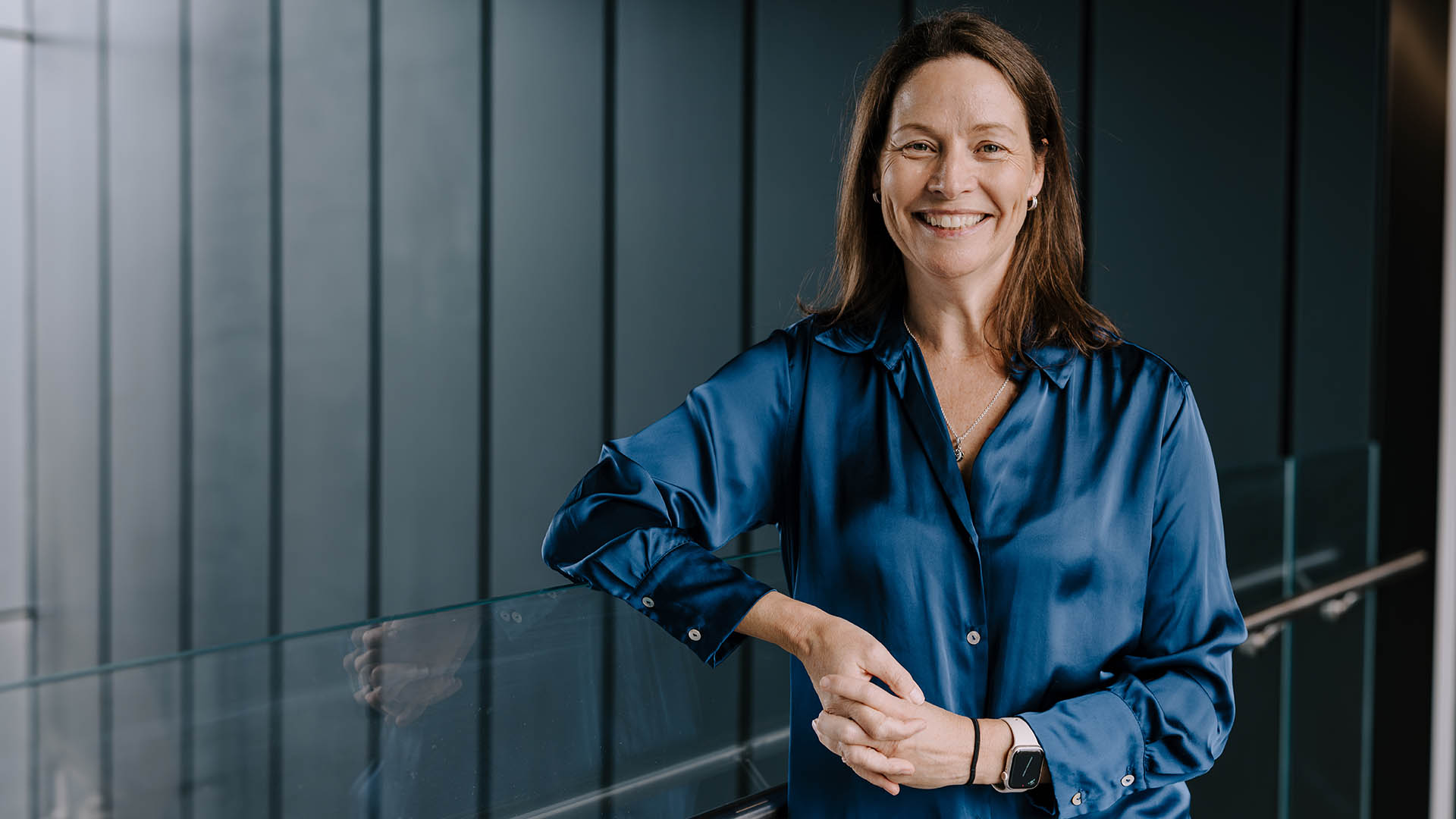
University of Wollongong (UOW) motor neurone disease (MND) researcher Dr Christen Chisholm has been named MND Australia’s Early Career Researcher of the Year, announced at a MND Gala Dinner in Adelaide last week.
Dr Chisholm, a Research Fellow at UOW’s Molecular Horizons and recipient of the 2026 MND Australia Bill Gole Research Fellowship, is building on the legacy of the late Professor Justin Yerbury AM to develop new therapies targeting one of the key drivers of MND: the build-up of toxic misfolded proteins within motor neurons.
“I am incredibly honoured to receive this award and deeply grateful to MND Australia and FightMND for their commitment to supporting MND research. I am so proud to be part of the passionate research team at UOW, who are united by the goal of continuing Justin’s legacy and creating a future where an MND diagnosis is not met with devastation but with effective treatments and hope for the future,” Dr Chisholm said.
During her PhD, Dr Chisholm led development of a new treatment approach that harnesses cells’ own waste-disposal systems to seek out and clear away one particular toxic protein known to cause an inherited form of MND.. The work, published in Nature Communications, showed reduced protein aggregation, protection of motor neurons and delayed disease progression in cellular and preclinical models.
Through her Bill Gole Fellowship, Dr Chisholm is now tackling one of the biggest challenges in neurological medicine: safely delivering treatments to the brain and spinal cord. Her research combines gene therapy, lipid nanoparticle technology and focused ultrasound to carry therapeutic molecules across the blood-brain and blood-spinal cord barriers directly to affected motor neurons.
Dr Chisholm didn’t follow a conventional path into medical research. After almost two decades working as a high school science teacher and raising a family, she returned to academia in 2019, joining Professor Yerbury’s lab at UOW. Her long friendship with Yerbury and his wife Rachel, and watching him continue his research while living with MND, inspired her return and continues to shape her commitment to the field.
Soon after completing her PhD, Dr Chisholm was invited to present her work at the 2025 Neuro4D Conference in Mainz, Germany, an international meeting on neurodegenerative diseases – recognition of her growing standing among established researchers in the field.
At UOW, she works alongside Dr Luke McAlary, Dr Jeremy Lum and Professor Heath Ecroyd as part of the MND research program founded by Professor Yerbury, and teaches undergraduate and postgraduate students across immunology, pharmacology and biomedical research.
Dr Chisholm is passionate about raising awareness of the world-leading MND research being conducted at UOW and is working to establish research programs that will enable people with lived experience of MND to participate in and contribute to research. She remains closely engaged with the MND community, having established the UOW MND research advisory panel, attending the Illawarra MND carers support group and hosting lab tours for patients and families.