

How to prepare healthy snacks for your study and work
Fuel for thought
March 10, 2026
Six tips from a dietitian on how to prepare healthy snacks that keep you full, healthy and happy.
The start of a new semester is the perfect opportunity to form better habits.
Whether you're returning to uni, starting study, or long graduated and just want to spend less money during the 3 pm energy slump, prepping healthy and nutritious snacks ahead of time is a simple practice that can set you up for success.
Food can make a real difference to your energy, focus and mood throughout the day.
According to Accredited Practising Dietitian Natalie Hayllar, the key isn't restriction or following the latest food trends. It's about building meals and snacks that fuel your body and brain and keep you fuller for longer.
Here are a dietitian’s -tips on how to prepare snacks that work for you.
Think beyond "quick fuel"
If you've ever devoured your lunch only to feel hungry again 20 minutes later, chances are it didn’t contain enough protein or fibre.
"Protein is great for satiety. Satiety, meaning it helps you feel fuller for longer," Natalie says.
“Quite often, having a little bit more protein in your meals and snacks can help you not get that hungry feeling quickly after.”
The formula for a meal that keeps you full and satisfied is simple, according to Natalie.
It's about creating a mix of protein, fibre rich carbs, and healthy fats, and when paired together in the right ratios, it can do wonders for your energy and mood.
Protein promotes satiety and supports muscle repair after exercise; fibre-rich carbohydrates support gut health, and healthy fats support brain function.
Some snack ideas for next time you head to the fridge include Greek yoghurt with berries and wholegrain cereal, grain toast with eggs and avocado, or a protein bar paired with fruit, or wholegrain crackers and cheese.
Why protein is everywhere right now
Protein has become the buzziest word in food marketing. From bars and shakes to yoghurts and milks, supermarket aisles have been overhauled with protein. Natalie welcomes the change but encourages more awareness on why we need protein and how we should consume it.
“Protein is a very important part of our diets,” Natalie says.
Having a little more protein in the morning can help you feel fuller for longer and can help you avoid the afternoon energy crash especially during exam times and long study periods.
When looking for protein sources, it's best to start with whole foods like lean meats dairy, eggs, legumes, and nuts. These foods should make up the bulk of your daily protein intake, and if needed then the rest can be supplemented with protein-based products.
“And don’t forget healthy fats. Once upon a time, everything was low fat and it was something we were told to avoid, but healthy fats like avocado, nuts and seeds are also good for you.”
Don't fear carbohydrates, your brain needs them
Diet culture has given carbs a bad rap over the years, but Natalie is quick to shut that down.
"Fibre rich carbohydrate is a great source of energy and fuel for your brain," she says. Whole grain carbohydrates provide fibre to support gut health and supply the glucose our brain relies on for energy.
Natalie says skipping meals or cutting carbs entirely can make it harder to concentrate.
"It's like you haven't put the right petrol in the car," she explains.
For study or workdays, Natalie recommends choosing high-fibre carb options, such as wholegrain bread and crackers, oats, brown rice and wholegrain wraps.
"These help give you more sustained energy, rather than a quick spike and crash," she says.
Snacks that actually last until your next meal
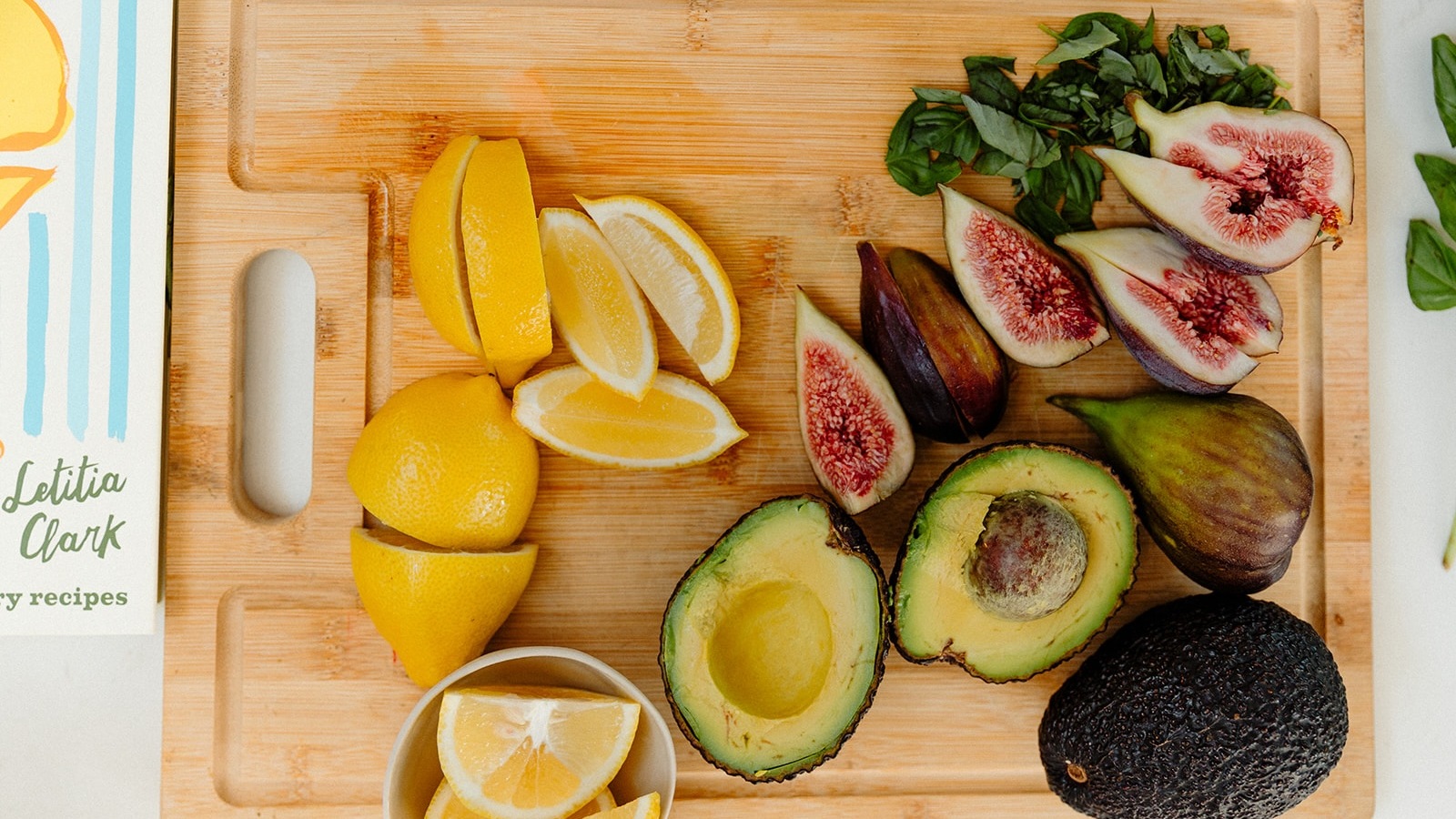
We've all been there. 3 pm rolls around, and you hit a wall. Instead of reaching for an energy drink or sugary treat, Natalie suggests some more balanced snacks to fuel you until your next meal.
Some of her go-to snack pairings include high-protein yoghurt with fruit, wholegrain toast with peanut butter, boiled eggs on toast, cheese and crackers, or a banana smoothie with oats. Yoghurt with berries or a cheese toastie are also great choices.
She recommends nuts as an easy on-the-go snack, and something you can keep in your backpack to have on hand.
"A little handful of nuts like almonds or cashews are great for keeping you satiated,” she says.
Preparation beats perfection
One of the biggest barriers to healthy snacking isn't knowledge. It's time. You can know all the right things to eat, but if you don't prepare ahead of time, you're likely to rely on quick fixes that aren't the best for your health.
"If you've done a bit of meal prep and you've got snacks ready, you tend to eat a lot better," Natalie says.
"It just takes one less decision away."
Stocking the pantry and fridge at the start of the week with simple, familiar options can make all the difference, especially during busy or stressful periods.
And if nerves kill your appetite before an exam or big meeting? Natalie says it's always better to eat something rather than nothing.
"Even a bit of plain toast or some light rice crackers is better than nothing, otherwise you might find it hard to concentrate halfway through your exams."
And don’t forget to stay active – have a study break and getting up from your chair and away from the screen to go for a walk, swim or gym can do wonders for your mood and sleep patterns also, Staying hydrated is also really important, sip on your water bottle or a nice calming herbal tea is a great choice.
Food isn't just fuel
Natalie is confident in one thing. Food should be a source of joy, not fear.
"I don't like to say food is good or bad," she says.
"It's fuel, but it's also enjoyment and social connection."
During high-pressure periods like exams or busy periods at work, she encourages people to keep things simple and realistic and reminds us that healthy eating is about habits over time rather than perfection.
"Just be kind to yourself," she says.
"Food should support you, not add another thing to stress about."
Food is also a way to celebrate our wins, and it's an opportunity to connect with others. In fact, eating with others can be great for your mood and mental health.
"There will always be a role for lollies and treats. Often, if they are shared, you're less likely to overconsume and more likely to eat mindfully.
"Food is a celebration, and that's a joy."
How Natalie built a career that works for her
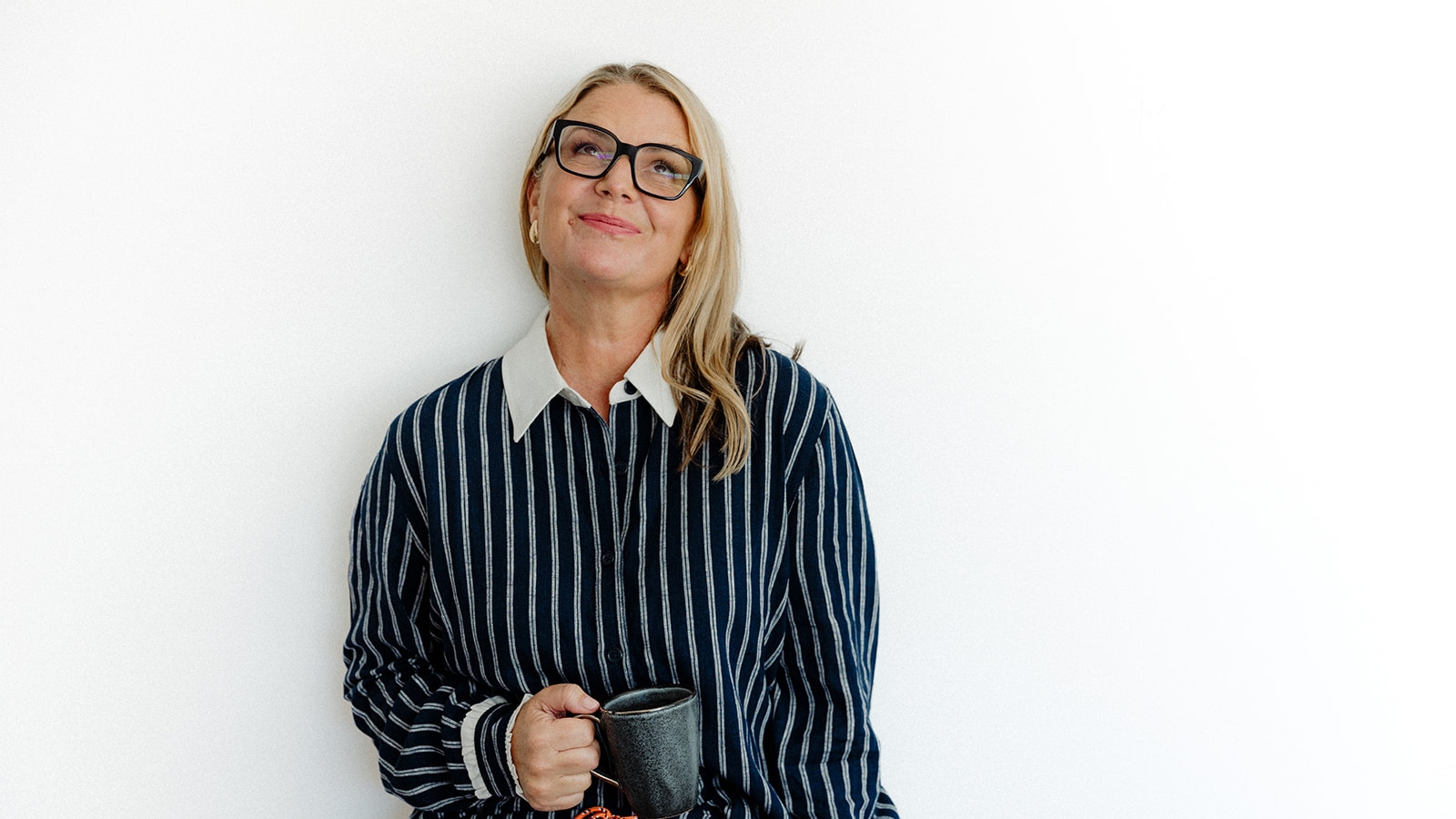
Natalie's career path is proof that a degree doesn't have to lock you into one lane.
Natalie studied both a Bachelor of Science (Psychology & Nutrition) and a Master of Science (Nutrition & Dietetics) at UOW, which led to her first role as a clinical dietitian at St George Hospital in Sydney. She then moved into corporate nutrition, supporting credible nutrition communications for food and nutrition brands, media and agencies. Along the way, she noticed something.
"I was always more interested in the creative meetings than the technical meetings," she says.
So, she went back to study marketing communications, combining her science background with creativity. Over time, she carved out a niche that blends her love of nutrition, marketing and storytelling.
"I've got two distinct brains," Natalie says. "Now I've been able to bring those two worlds together and create a career that really works for me.”
After completing culinary nutrition studies (some of which even took place in Rome!), Natalie brought food and nutrition communications, content creation and clinical nutrition together under one banner.
Today, she runs her own boutique nutrition consultancy, Santé Logic, working with not-for-profits and corporates, as well as seeing clients one-on-one through face-to-face or telehealth nutrition consultations.
"It's the perfect balance," she says.
"Some days I might be writing a nutrition strategy or developing content for brands. Other days I might be sourcing recipes, supporting food shoots, or seeing clients in my clinic. Sometimes I also consult with other dietitians on how to build their own brand."
"I'm a real foodie. It's a great mix of communications work, while still keeping me up to date with the latest nutrition science."