

Meet the UOW graduates helping change the narrative of mental illness
Healthy minds, healthy lives.
October 29, 2026
From lived experience to pioneering research, three UOW alumni are reshaping how we understand mental health, prevent burnout and support those who need it most.
According to the Australian Bureau of Statistics (ABS) more than 40 per cent of Australians aged between 16-85 have experienced some type of mental health disorder.
From positive psychology to advocacy, these UOW Alumni Award winners are working hard to minimise this number and help those in need.
Content warning: this piece contains mention of suicide.
Dr Suzy Green
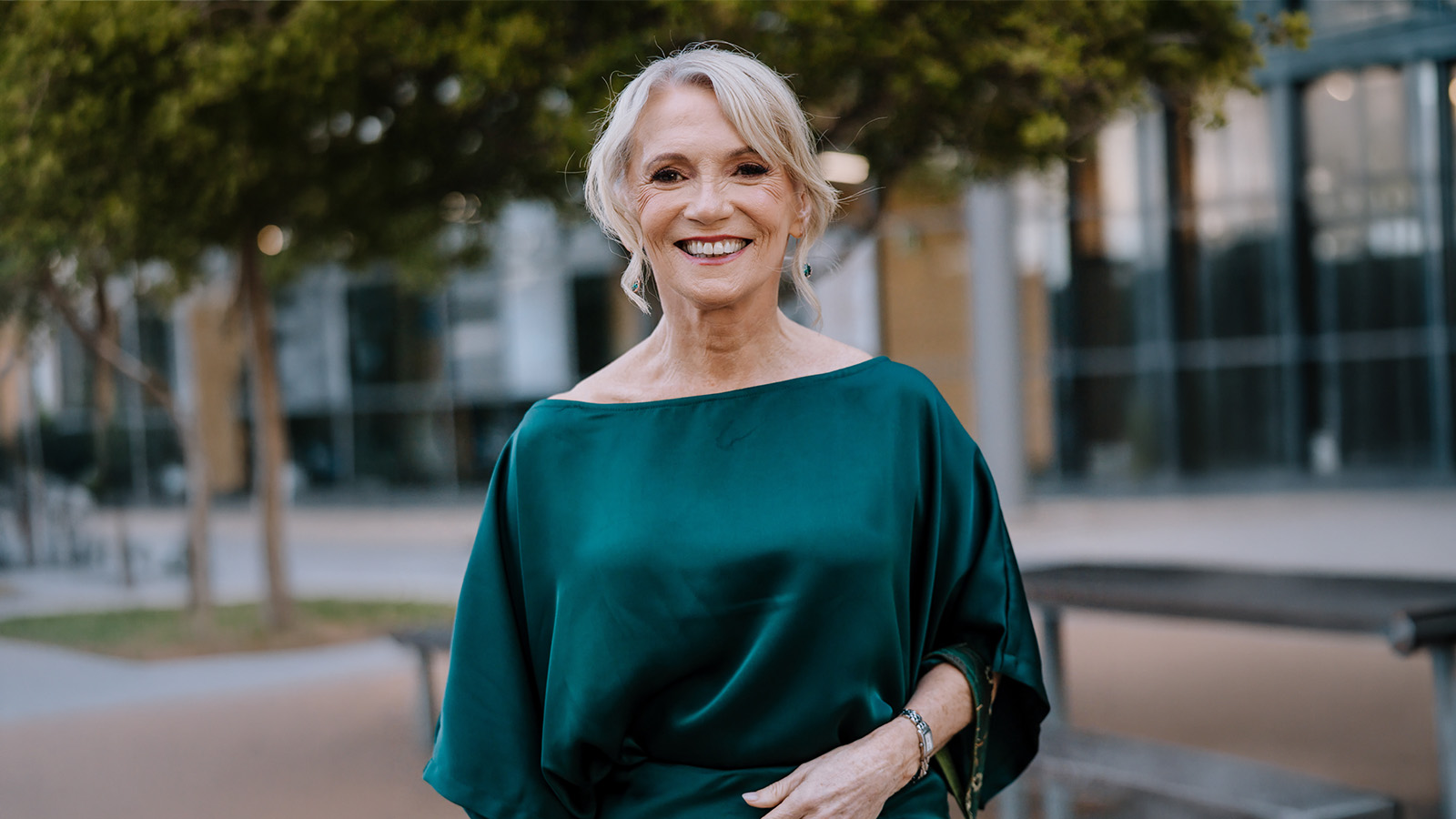
A clinical and coaching psychologist, Dr Green completed a Doctorate in Psychology (Clinical) at UOW in the early 2000s. With an initial focus on executive functioning in people with schizophrenia, she attended a talk by the Australian Psychological Society about life coaching for Vietnam vets that would change the course of her career.
“Life coaching was coming out of the US, but there was no rigorous research on coaching in those days,” she says.
Within a matter of weeks, Dr Green had completely shifted her research focus. In 2006, she conducted a world-first study on the use of evidence-based coaching as a mental health prevention intervention.
The first Australian publication in the Journal of Positive Psychology, the study proved that evidence-based coaching led to better mental wellbeing among participants and led to Dr Green becoming a pioneer in the space.
Since then, she has been globally recognised as an expert in both positive psychology and coaching psychology including a fellowship at the Black Dog Institute and an Affiliate of the University of Cambridge’s Wellbeing Institute. She also holds Honorary academic positions at the University of Melbourne, and UTS Business School.
“I’ve always been passionate about bridging the gap between the science and practice of positive psychology. There’s a wealth of research on wellbeing, resilience, strengths and human flourishing, but the real question is: how do we translate that science into practical, evidence-based approaches that help people thrive?” she says.
“So, for me, coaching has been a way to really personalise and contextualise the science and importantly increase transfer of education and training. So many organisations are investing in mental health and wellbeing education yet the knowledge to practice gap remains a challenge”
In 2012, Dr Green founded The Positivity Institute, an evidence-based psychology consultancy that helps organisations, leaders and teams thrive through the application of wellbeing and performance science.
“Providing education and training in psychological skills to prevent burnout and support mental health and wellbeing is important, but it’s not enough. We also need to look at leadership capability, organisational culture and the systems and structures that shape people’s experiences at work. Are we creating workplace environments where people are genuinely supported and enabled to thrive?”
The practice of positive psychology has come a long way since Dr Green started her research. While many workplaces have embedded mental health and wellbeing training into their everyday, Dr Green would like to see implementation within schooling to prepare kids early.
“It's already in most private schools; kids learn these positive psychological approaches, but there's a lot more that could be happening in the public education and early education sector. We’re also seeing adoption in higher education with a small number of universities globally offering positive psychology courses for university students, making it a general capability”.
“I love to see that young people have more access to education in mental health and wellbeing, building their wellbeing literacy, which leads to less stigma associated with seeking help or therapy, improves their overall functioning and helps them to lead better lives.”
Chelsea Pottenger
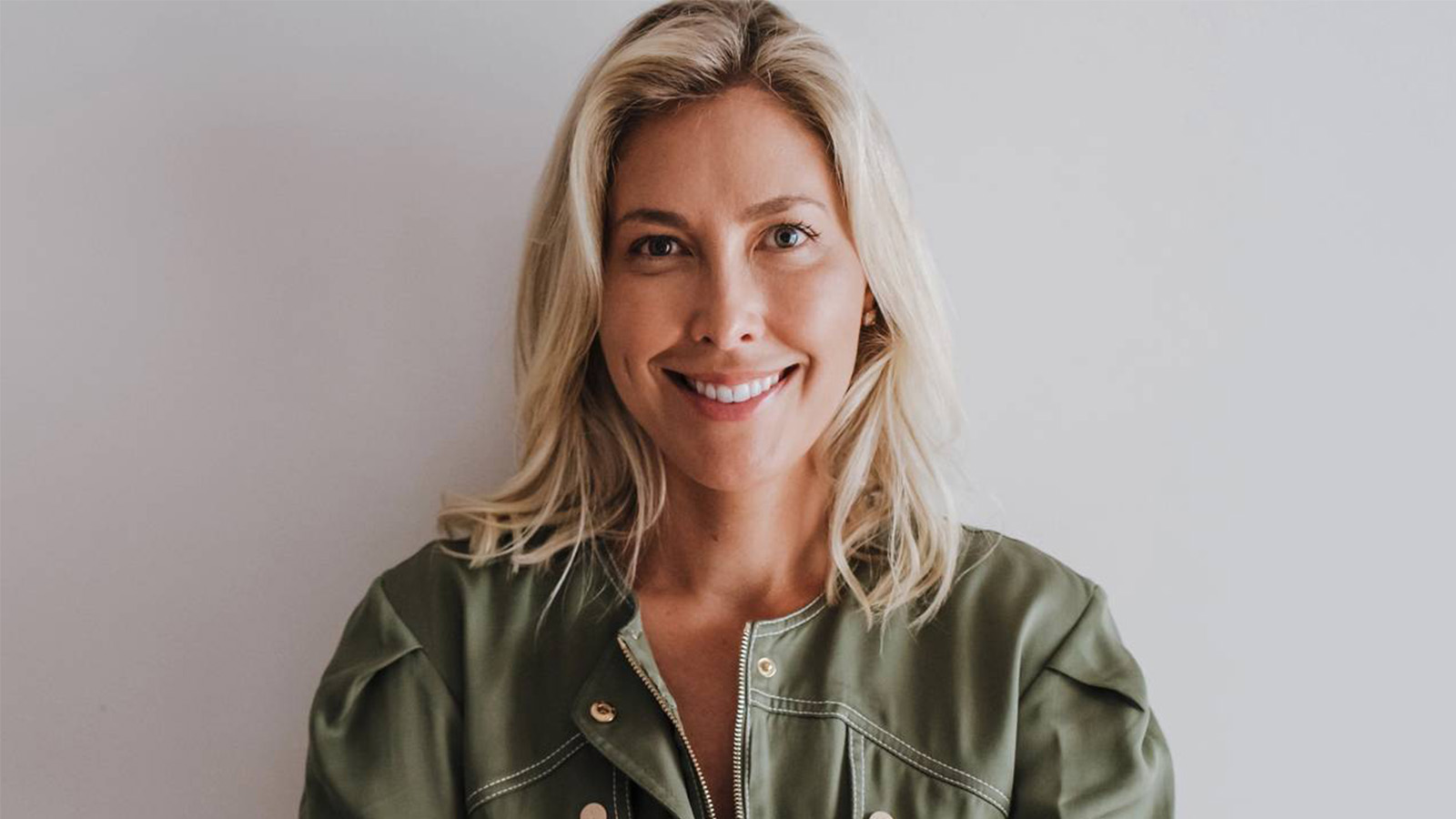
“If you ask anyone, I am naturally a very optimistic person, but the safest place I could be at the time was lying in a hospital bed.”
Chelsea was used to living the high life. The former Division 1 basketball player was thriving in the fast lane of corporate, until she was met with a fork in the road. After five weeks in hospital, she could return to her old life in Sydney or learn from what the universe had served up. Her psychiatrist nudged her toward the latter.
“‘You’ve got lived experience,’ she told me. You’re seeing the world now through the lens of someone who’s gone through anxiety and depression.”
Chelsea’s psychiatrist encouraged her to retrain in psychology, and that’s exactly what she did. She left corporate life, completed a postgraduate degree in psychology, and in 2016 founded EQ Minds. The mission was simple.
“For the rest of my life, I never want anyone to ever end up where I was.”
EQ Minds delivers keynotes and workshops to corporations, councils and schools across Australia, the United States, the UK and Europe, offering practical, science-backed tools for resilience, emotional intelligence and sustainable high performance.
“Sometimes in the toughest moments, you have no idea that that’s the thing that’s going to crack you wide open,” she says.
“On the other side of those intense experiences, that’s where the light lives.”
Chelsea’s work rests on a premise she once had to defend: rest and ambition are not opposites. In her first book, The Mindful High Performer, she disarms sceptics who believe mindfulness has no place in the corporate world.
“You need to recharge your brain so you can actually be a real high performer,” she explains.
While the 2000s and 2010s saw a focus on hustle and grind culture, the past five years has seen a significant shift amongst the workforce now prioritising balance and wellbeing. Those once burnt-out workers are among Chelsea’s main clients, along with a new generation of young professionals hoping to avoid burnout before it bites. The first step, she says, begins with boundaries.
“If you respond back to your boss at 7 pm, they’re going to know that you are now available at 7 pm,” Chelsea says.
Next come modest habits, not sweeping resolutions. Chelsea says the New Year’s approach of overhauling everything at once rarely survives the first few weeks. Small, repeatable routines work better.
“5 minutes a day of journaling, or one walk every single morning for 10 minutes to get your morning coffee, is so much better than one big wellness weekend once a year,” she says.
She urges graduates to learn their personal warning signs, which might be poor sleep, social withdrawal or creeping anxiety, and to act on them early. She also stresses the value of friends.
“Connection really is your safety net. They’re the mates that turn up for you at 2 in the morning.”
Above all, she says, the basics matter more than the trends. She’s often asked at workshops whether almonds should be activated or organic. Instead, Chelsea probes at their sleep.
“They’ll respond with that they get ‘like 4 hours a night’. I’m like, ‘forget the almonds. Just get your sleep.’”
Her parting message for the next generation of UOW graduates, as they head out into the world, is advice she wishes she had heard herself.
“Your career is a marathon, not just a sprint. The habits that you build in your first few years are going to carry you for a decade.”
The time to start looking after your mind is now, not after burnout has already arrived, she explains. Australia has come a long way in how openly it discusses mental health, but Chelsea wants to see that openness translate into everyday action. It’s not a matter of rescuing people who have already fallen into the depths of ill mental health, but of catching them before a crisis.
“My dream is that in 10 years, looking after your mental health is as normal as going to the gym,” she says.
“Not something we do when we’re struggling, but something we’re practising every day.”
Joe Williams
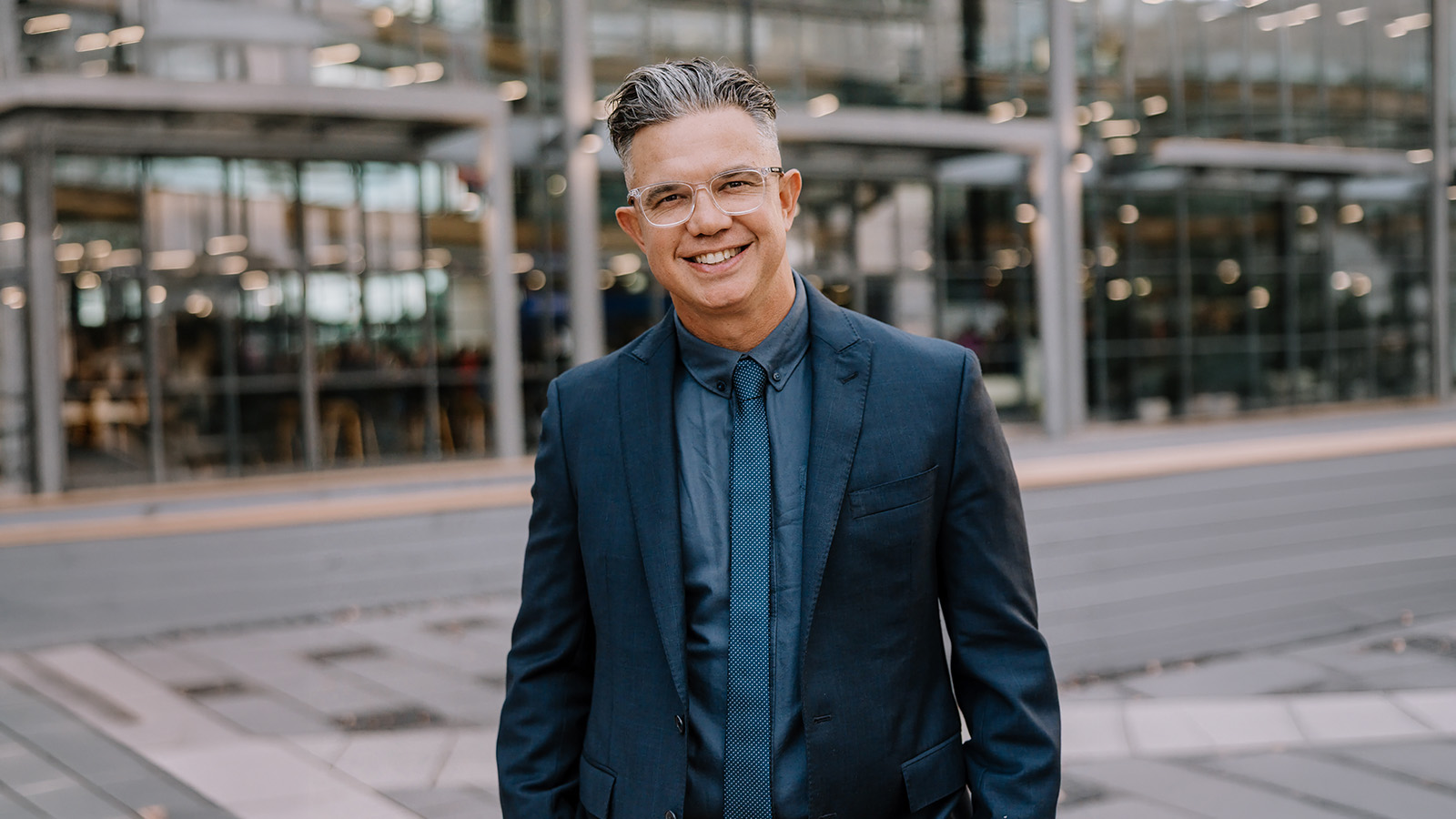
When asked how he got to where he is now, mental health advocate and PhD candidate Joe Williams explains that he has lived “enough lives to make up three or four people.”
A proud Wiradjuri/Wolgalu man, Joe had fulfilled his childhood dream playing in the NRL for South Sydney Rabbitohs and Penrith Panthers, before turning to professional boxing.
Behind the scenes, Joe had been living with bipolar disorder and suicidal ideation - a silent battle that led to alcohol and substance abuse. In 2012, Joe was hospitalised following a suicide attempt. He says it was a wakeup call that changed the course of his life.
“I realised that over a ten-to-fifteen-year career, that sport was something that I did, but it wasn’t the person I was,” he says.
“I knew that when I started to get better with my own personal mental health, that it was going to impact everyone around me in a more positive way. I started to help people and then on that pathway of helping others I realised how much that helped me.”
His experience led him to found The Enemy Within, a mental health initiative that provides education, suicide prevention and resilience programs to hundreds of communities across Australia.
In 2024, he established Our Way Academy, which supports First Nations young people through programs that strengthen identity, belonging and educational engagement.
His hope is that connecting young people with purpose will minimise the risk of mental ill-health, a reality faced by almost a quarter of First Nations Australians.
“People don’t just wake up one day and decide that they don’t want to be here anymore. There are lots of little experiences that shape the behaviours that lead us to that point,” he says.
“We’re so disconnected as people, as families, as workplaces, that we don’t often see these behaviours with others, because we aren’t connected physically, emotionally or socially as much as we need to be. If we start connecting more deeply with others, giving more attention to these behaviours, we can identify earlier when people aren’t doing well.”
In the fourteen years since founding The Enemy Within, Joe has been recognised for his contributions to mental health advocacy. He was awarded Citizen of the Year in his hometown of Wagga Wagga and named as a finalist for the National Indigenous Human Rights Awards. He has also received the Suicide Prevention Australia’s LiFE Award and was dual winner of the Australian Mental Health Prize.
In 2026 Joe received the UOW Alumni Award for Social Impact, having completed the Graduate Certificate of Indigenous Trauma and Recovery Practice at UOW. He was inspired to enroll after a conversation with Indigenous advocate and academic Emeritus Professor Judy Atkinson.
“In my early days of work in the mental health space, it was all about my own personal lived experience. Aunty Judy said, ‘Joe, you should go and study this course, at Wollongong Uni, because it'll give you a greater understanding of the brain, it'll give you a greater understanding about people and behaviour.’
“With that, I enrolled in that course, and it was the best thing I've ever done. It helped me to learn about why we are the way we are, and when you understand the impacts of developmental trauma, all behaviours make sense.”