Help UOW researchers advance cancer care
Join our community of generous donors.


Where the next breakthroughs begin.
February 4, 2026
Across the University, early career researchers are laying the groundwork for the future of cancer treatments.
Progress in cancer research rarely looks like a single breakthrough. It happens over years, spending long days in the lab where nothing works until something finally does.
Established research projects like University of Wollongong’s (UOW) invention, MOSkin, demonstrate how far cancer research has already come. But the next big breakthrough will depend heavily on the early-career researchers now working patiently through cancer’s biggest challenges.
Across UOW, a group of researchers are focusing on some cancers that spread aggressively, resist treatment, or are so rare that only one in every two million people will be diagnosed. Their work sits in the pre-clinical phase, years away from ever finding its way into a patient, yet it forms the foundation for future treatment.
On World Cancer Day (4 February), their stories offer a glimpse of the collective progress in the fight against cancer.
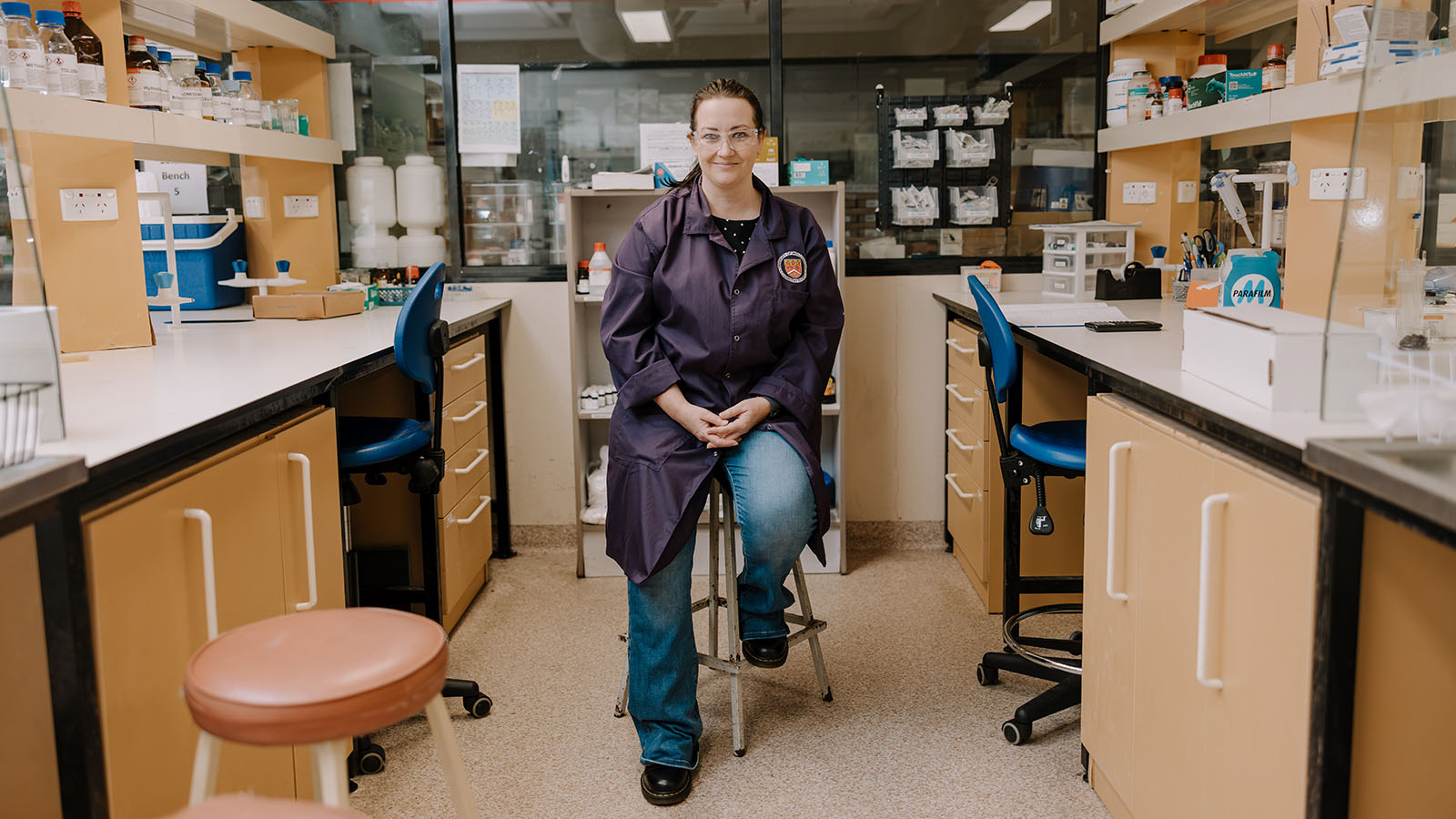
For Dr Jennifer Baker, cancer research has never been about an individual moment of discovery. She knows the only way to find a cure is through teamwork.
“I don't think any one person's ever going to cure cancer. It must be a group project, and we all have to work together,” she says.
Supervised by Professor Danielle Skropeta, Dr Baker is working on a particular protein that helps cancer cells survive and grow. Her research began with brain cancer, specifically glioblastoma, one of the most lethal and least treatable cancers. Over time, she found that the same protein plays a role in many other cancers.
“What we now know is that there are no drugs that actually selectively target this protein.”
Dr Baker's goal is to design small molecules that can selectively block the protein without damaging the rest of the cell. If successful, this could dramatically reduce the negative side effects of current treatments.
“If we could knock out this protein and stop up-regulation, not only would the cancer stop spreading, but it would also kill it, as this protein helps the cancer stay alive.”
“It's been a long road, but we've gotten to a point where we're looking at some nice compounds.”
Much of Dr Baker’s work happens at the intersection of chemistry and computation. She studies the crystal structure of the protein, then designs compounds to neatly fit inside.
“I'll design them, then I'll get up into the lab and make them. Then we'll test them against the purified protein.”
If the compound performs well, it’s passed to collaborators at the University of Sydney, who will test whether it can enter living cells. It’s a long and staggered process, and Dr Baker is realistic about the timeline.
“It takes anywhere between 12 and 15 years from finding the molecule in the first place to getting it approved by the TGA/FDA.”
She would be surprised if her compounds ever reached a patient. However, she knows it’s the knowledge that can create real change.
“Hopefully ,the knowledge that we're gaining along the way can help other people who have a bigger budget and connections to pharma companies to actually take what we've learned and apply it to their research.”
“There is always the hope that someone will pick up your research and see potential. Say, ‘let’s continue on with this’. That’s what keeps you going – the hope that you can make a difference, no matter how small.”
Dr Baker’s career in research began later than most. She started university at 27, after years spent working in cafés and hospitality. A bridging course in chemistry changed the trajectory of her career.
“We were learning all about the chemistry calculations that students usually hate. I remember my lecturer telling me, ‘these are the sort of calculations that the people who cure cancer do in their labs every day’.”
“I remember thinking, ‘yeah, I could do that’.”
Her motivation is personal, but it’s one shared by many researchers. A classmate was diagnosed with brain cancer during Year 12 and sadly passed away a few weeks after their school formal.
“That was my first brush with it. My first realisation that he wasn't just some random person who lives down the street. This was someone I knew and talked to every day.”
“Cancer is so insidious, and it doesn’t discriminate. I think everyone has a story.”
Yet despite what might feel like slow progress towards a cure, Dr Baker remains hopeful.
“I'd like cancer patients to know that we are getting there. It may feel like available treatments are horrible with terrible side effects, but we're much better than what we were 20 years ago, and in 20 years' time, we're going to be that much further again.”
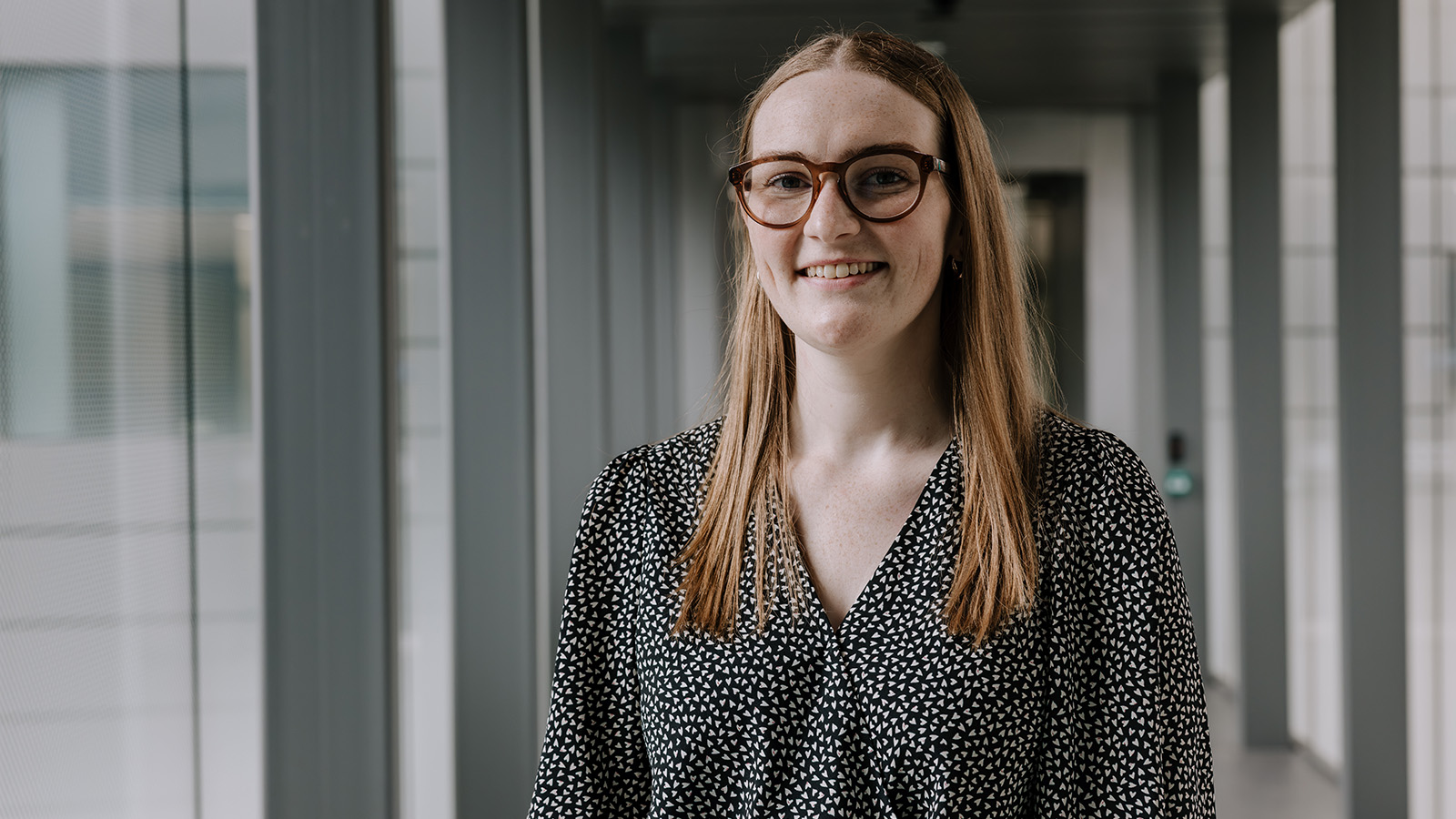
Jessica Conley is researching cutaneous squamous cell carcinoma, one of the most common non-melanoma skin cancers capable of metastasis and with particularly high incidence rates in the Illawarra. While many cases are treated surgically, patients in advanced stages are left with limited options.
“There are currently no systemic treatments outside of immunotherapy, which means a lot of patients have no options,” Jessica says.
Jessica is trying to change this by matching different tumours to available drugs. By closely analysing tumour cells, she can identify potential drug matches. Even between two patients, the cancer cells can behave very differently. That insight could help tailor treatments to the individual and improve patient outcomes.
“Our lab tries to prioritise treatments that are already in use in the clinical setting. We know the toxicity is okay and safe for patients. Any kind of work that we do in cells and animal models can hopefully be accelerated through the clinical trial process because we already know the safety.”
Now in the final year of her PhD, her research wouldn’t be possible without collaboration with oncologists and doctors at Wollongong Hospital. Jessica works closely with local clinicians who supply patient tumour samples for research.
“On the day of a patient’s surgery, my co-supervisor, Professor Bruce Ashford, sends me a text that he's got a tumour about to be removed. I'll go over to the hospital and collect a piece and bring it straight back to the lab and start working.”
“We're co-supervised by clinicians, so it's always very patient-focused and impact-focused to make sure we're prioritising the right projects.”
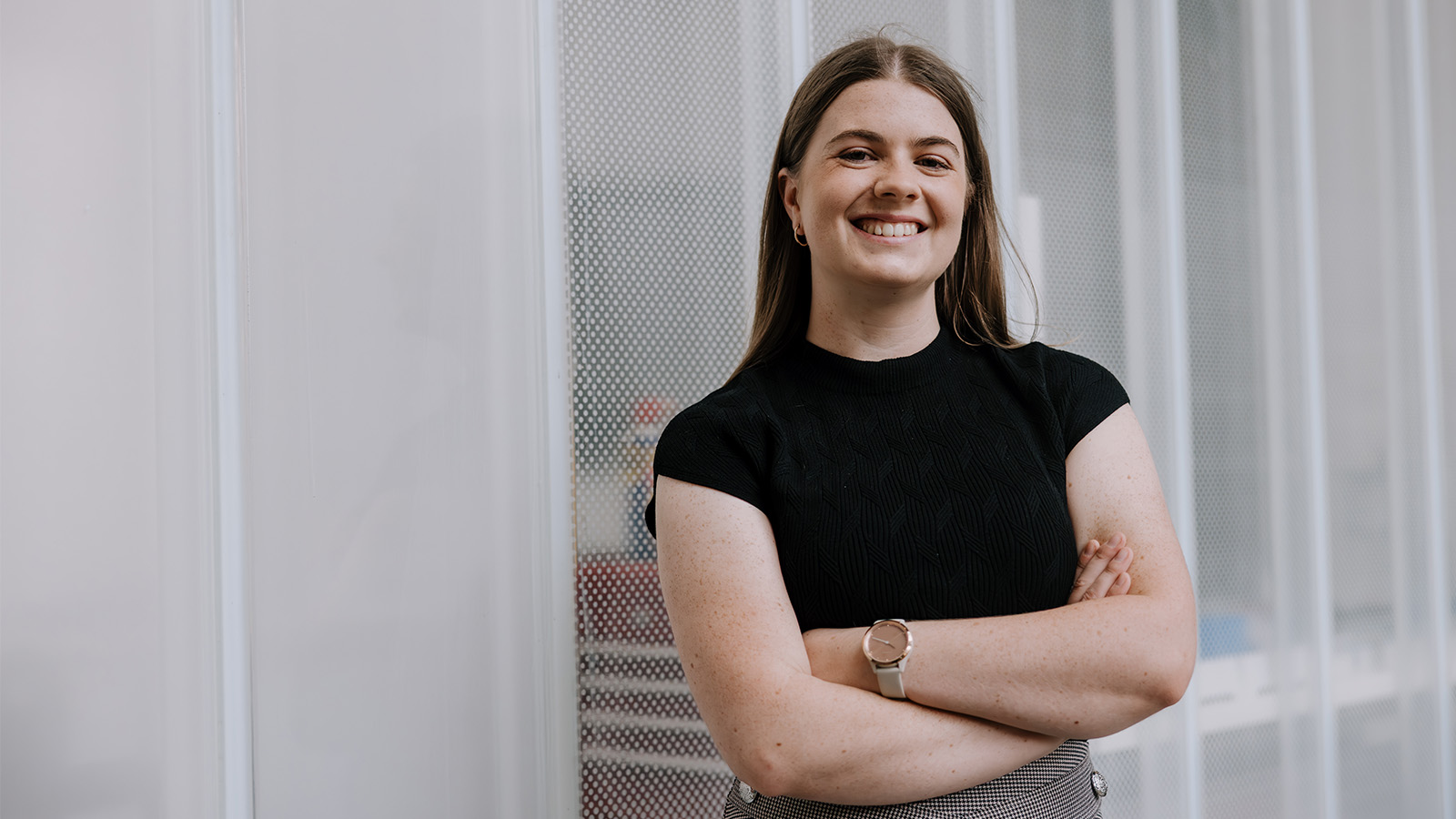
Metastasis is one of the most aggressive elements of cancer, and it’s the focus of Jacqui’s research. She uses circulating tumour cell (CTC) lines derived from patients’ blood to investigate metastatic gastric cancer, or more simply, stomach cancer that’s spread to other parts of the body.
“Circulating tumour cell lines are difficult to find, so they're quite precious and unique. It’s exciting to work with samples from local patients,” Jacqui says.
Tumours shed cells into the bloodstream, which holds the key to how cancer spreads, and more importantly, how it might be stopped. Jacqui is testing existing cancer drugs to see whether they can be repurposed to target gastric cancer. For patients with advanced gastric cancer, options are limited and chemotherapy remains the most common treatment.
“I've been looking at repurposing drugs for different targets from other cancer types to gastric, which should streamline its application to clinical trials if it goes well.”
Now in her final year of a PhD she began during honours, Jacqui recently received approval to collect additional patient blood samples from Wollongong Hospital, which is a critical step in expanding the research.
Jacqui also works closely with Jessica on testing potential treatments and building research models.
“We also do lots of similar techniques in the lab, so sometimes we can help each other out on the day with our experiments.”
Researching cancer requires tenacity and resilience, especially when it’s something that’s touched your life personally. Jacqui's mum was diagnosed with triple-negative breast cancer when she was a child. Now thankfully in remission, Jacqui uses her experience to keep pushing towards a breakthrough.
“I don't find it as something difficult to compartmentalise and push to the side. I think keeping it on your sleeve helps to drive through, especially when there are challenges.”
And like most research, not everything works on the first try.
“There are so many days where you'll be in the lab and just nothing will work and it can get to you.”
“People who aren’t in the field are like, ‘You did what? You had cancer in a dish, and you killed it!’ I guess we get tunnel vision sometimes, and it’s good to step out and realise this isn’t a normal job. It’s exciting when you have those moments.”
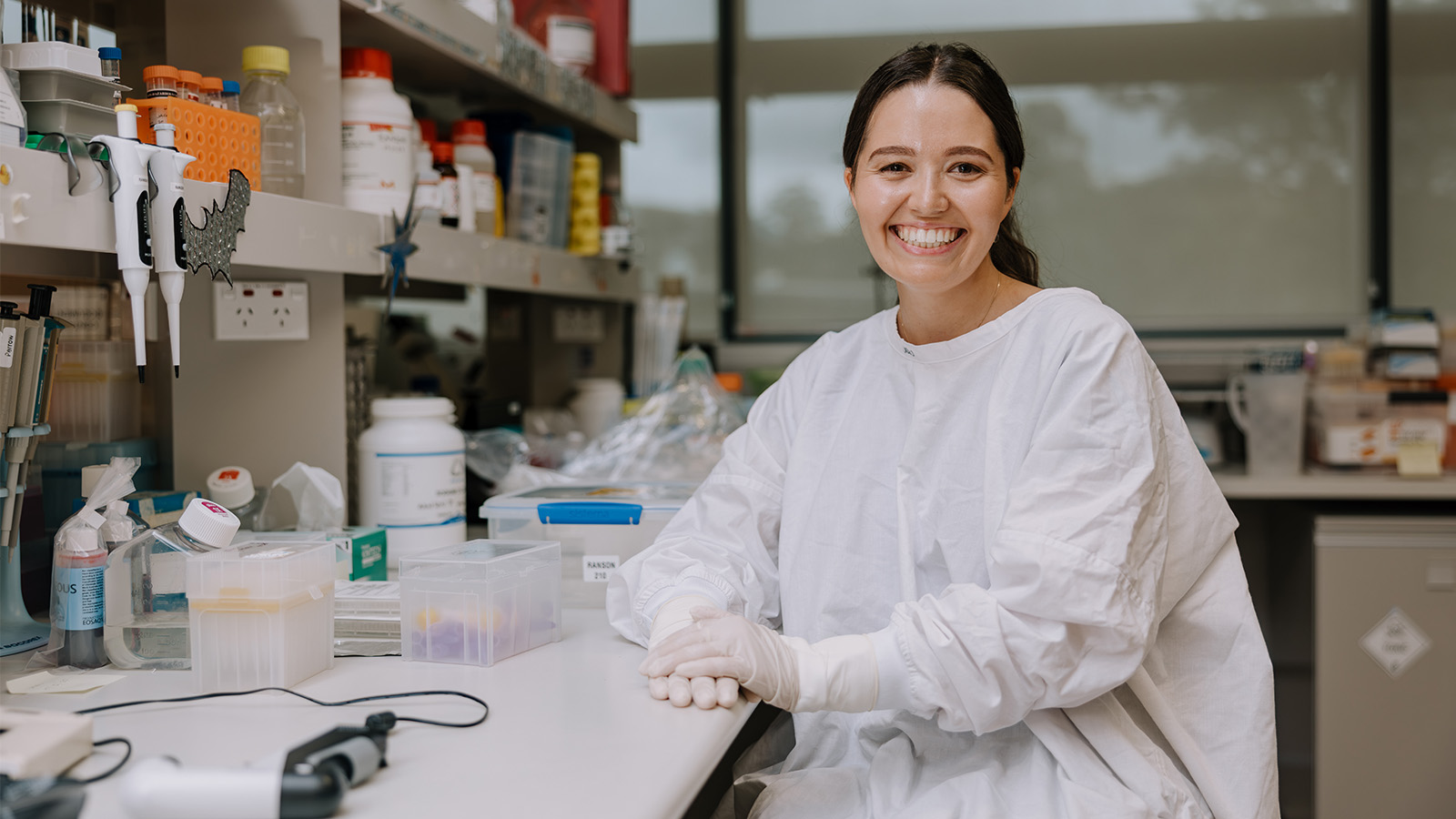
Chelsea’s focus is on a cancer so rare that it affects roughly one in two million people: oesophageal neuroendocrine carcinoma. Its rarity makes it difficult to study and even harder to treat.
“There are currently no standardised regimes because it’s so rare.”
Patients are often given just months after diagnosis, and clinical trials are nearly impossible due to the small patient population. Yet Chelsea’s work has already identified a drug that shows promise in killing this cancer type.
“As someone who studies a really rare type of cancer, I want patients to know that we are doing our best to find treatments for all types of cancer, even the rare ones.”
Chelsea began cancer research during her honours year and has remained in the lab for six years, now working as a research assistant. Her interest began earlier, after her grandfather was diagnosed with stomach cancer when she was a child.
“I think that it makes it more real because then you understand what's at stake.”
Like Jacqui’s research, Chelsea’s work relies on circulating tumour cells. These cells are exceptionally rare. Among millions of blood cells, there may be as few as 10 tumour cells, making them difficult to isolate and study.
“For the cancer I study, it’s the only CTC cell line for that cancer type in the whole world.”
Research into rare cancers often come with unique challenges, but Chelsea is supported by the guidance of lead investigator Honorary Professor Marie Ranson, who also supervises Jess and Jacqui’s research.
“Marie has been absolutely fantastic. She’s supported us in every project we’ve ever done. She’s been such a great mentor, and I genuinely owe her everything I know.”
“She'll remember every detail of every experiment you've ever done. And I'll be like, ‘I did that three years ago. How did you remember that?’”
Community organisations such as Illawarra Cancer Carers also play a critical role in sustaining early-stage research, providing funding that allows projects to continue and supporting the researchers behind the work.
“I'm very grateful to the Illawarra Cancer Carers, because they've really, really supported my journey as a cancer researcher through salary support.”
That support also strengthens the connection between the lab and the clinic, ensuring research decisions are grounded in patient experience.
“Sometimes we’ll be in a group meeting and get excited about a particular drug we want to test. The clinicians might step in and say, ‘I probably wouldn’t choose that one. It’s very toxic and won’t translate well for patients.’ That feedback helps us pivot and focus on drugs that are more likely to benefit patients.”