

Managing world’s oceans is everyone’s responsibility
Meet the UOW researchers who contributed to the world’s largest ocean report
November 27, 2026
Every five years, the United Nations (UN) produces the World Ocean Assessment: a single sweeping status report on the health of the world's oceans.
The Third World Ocean Assessment draws on the expertise of scientists, lawyers and economists across dozens of countries to give every UN member state a shared picture of where the ocean stands.
Of the 600 contributors in 2026, four are based at UOW’s Australian National Centre for Ocean Resources and Security (ANCORS), the only multidisciplinary, university-based centre of its kind in the southern hemisphere.
The ocean as a global trade market
Most Australians have ordered barramundi off a menu without a second thought, assuming they knew where it came from as native Australian fish. But more is farmed outside of Australia than farmed or caught in our own waters.
“You might order barramundi thinking you're getting a local wild fish, but it's actually something farmed in Thailand or Malaysia,” says Associate Professor Anna Farmery.
It's just one example of the kind of complex system covered in the assessment's subchapter on seafood trade, authored in part by Associate Professor Farmery.
Her research looks at food supply chains and how trade shapes human and planetary health, following years of experience working for UN Trade and Development (UNCTAD).
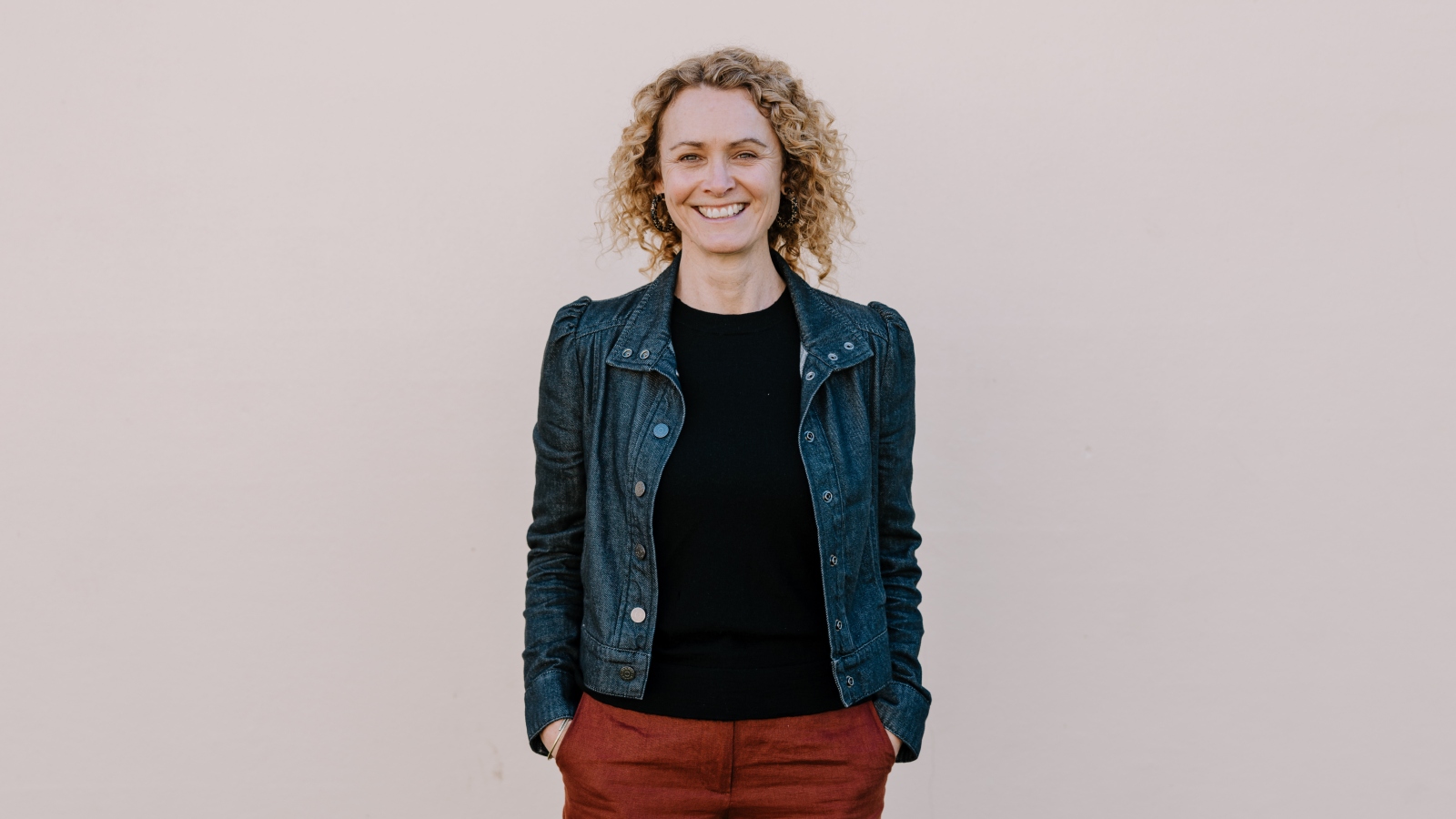
“Australia and the Pacific often get left out of these sorts of reports, or included in a broader Asia-Pacific category, so it's important to be able to represent the Australian contingent,” she says.
Approximately a third of everything the ocean produces is exported, and the subchapter explains what happens once seafood enters the global market.
“There's a lot of really polarised talk around trade – either that it's essential for countries to make money and it's really important for food and nutrition security, or that it's inherently bad for people and the planet,” says Associate Professor Farmery.
“It’s not trade itself that's the problem, but those arrangements around trade that are needed to safeguard outcomes. Where you've got good guardrails in place like strong fishery management or policies that limit illegal fishing, trade can bring real benefits. Without them, it can really exacerbate bad practice.“
These arrangements matter when close to one in five fish entering global trade is illegal, unreported or unregulated.
“Illegal is one thing – someone fishing somewhere they shouldn't be or fishing too much. Whereas unreported or unregulated might not necessarily be bad, it just means there’s no monitoring or management system in place for that fishery, so the fishing activity is not being documented. But if that fishery suddenly becomes more valuable and more people start fishing it and it's not being monitored anywhere, it can become problematic.”
Having strong frameworks in place assumes a stable ocean to manage. Associate Professor Farmery points to Australia's own struggling abalone fisheries as a local example of why this isn’t always the case.
“You might have regulations in place for healthy populations but if something happens in the environment and they get sick and die, those regulations aren't relevant anymore. Fisheries need to be dynamic enough to respond to that.“
Unlike a typical research paper, the World Ocean Assessment is about synthesis rather than discovery.
“There's definitely papers out there saying trade is driving overfishing, and others saying it's critical for jobs and food security.
“If you pick just one, you get a one-sided opinion. This chapter really tried to put into perspective all the research that's out there and what it's saying. I think it did a good job of that.
“Seafood trade is not going away, and it will change as the climate changes. Fish are going to move, and trading patterns will change. Having good scrutiny on it is important, but being flexible enough to adapt to climate change is going to be really important going forward too.“
The legal rights of marine life
Dr Erik van Doorn is not a botanist and admits he still struggles to tell a vegetable from a fruit. So, when the international law expert was asked to contribute to the assessment’s chapter on mangroves, seagrass meadows, salt marshes and mudflats, he initially thought it was an odd fit.
But it wasn’t by accident.
“They didn't have a lawyer,“ he explains. “Most of them are natural scientists.”
The team, led by a biologist colleague in the UK, wanted someone who could work across the unique divide of international law and nature. His chapter pulled together researchers from Brazil, China, Iran, Korea, Malta, Sudan, the United Kingdom and Australia, to create a snapshot of marine plants in the five years from the last assessment.
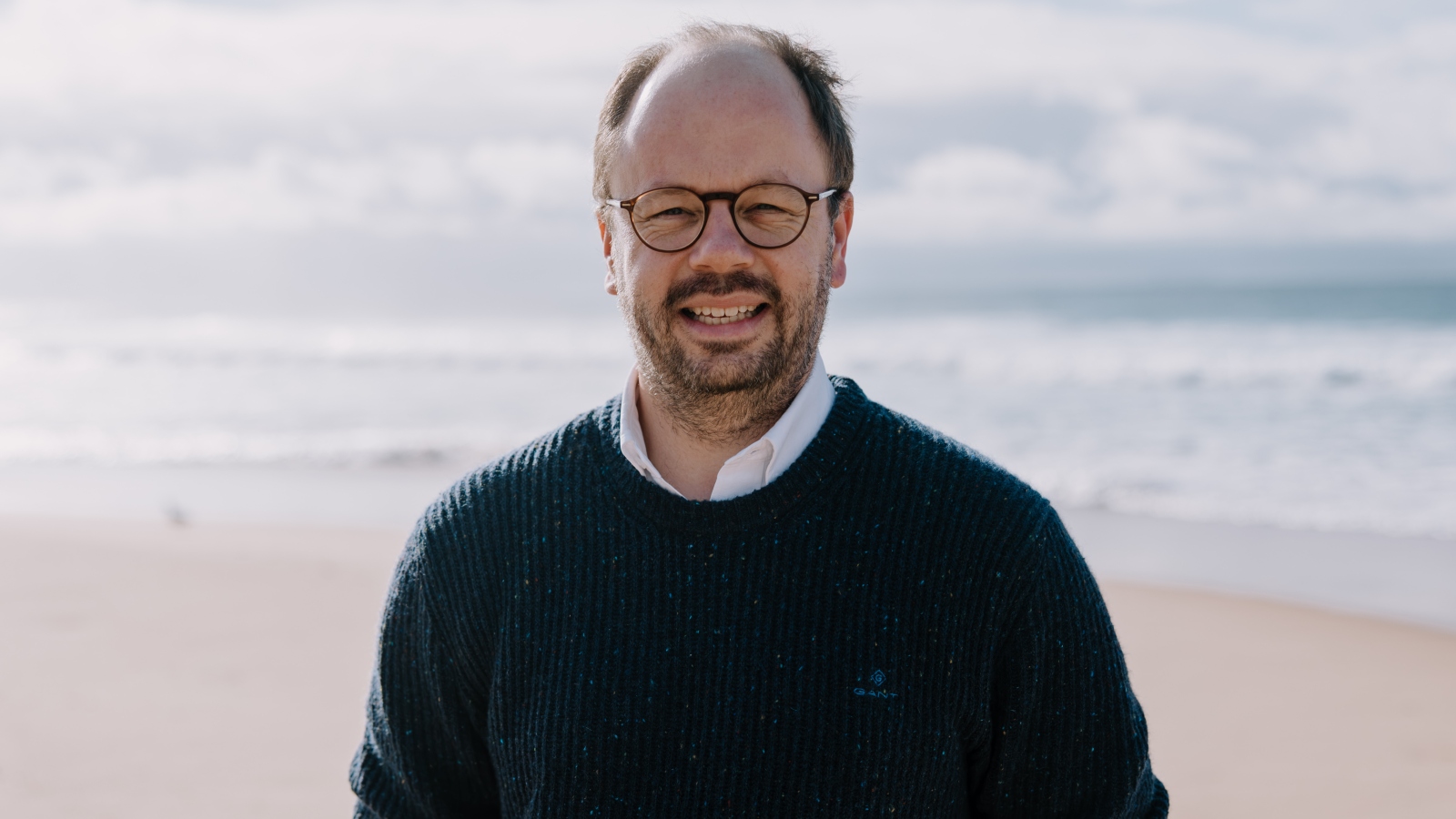
Dr Van Doorn's work informed which international and regional legal instruments can be used to protect a mangrove forest or a seagrass meadow, even if none explicitly mention marine plants by name.
“There's not one international convention dedicated to protecting marine plants, but you could apply one of the legal frameworks that already exists,” he explains.
“For example, the World Heritage Convention created the UNESCO World Heritage List, which has coastal wetland areas on it. The 1971 Ramsar Convention protects wetlands, and with that, protects marine plants, even though it doesn’t use that term.”
Having watched the landmark high seas biodiversity agreement take over two decades to develop, Dr Van Doorn doesn't think a new treaty is the answer, but that the real urgency is enforcing what already exists.
“If we would implement and enforce the rules that we already have, we would arguably be in a very different position already.“
But enforcement isn’t straightforward when climate change means the locations of these environments are changing. Mangroves are expanding into salt marshes, with entire ecosystems shifting toward higher latitudes as the planet warms, and there's no way to put them back.
Dr Van Doorn notes the uncomfortable legal complication of restoring ecosystems – a task that requires significant money, time and difficult decisions about what ecological state an area should ultimately return to.
“Climate change is really annoying because you might not be able to restore to what you initially had, and you might not be able to protect it because it is simply walking away,” he explains.
“And while protecting existing ecosystems is generally easier and less costly than restoring them once they have been damaged, even that is complicated because the law generally tends to protect what's currently there, even if it is not the original vegetation.”
When you manage an ocean, you're actually just managing people.
Professor Quentin Hanich joined ANCORS in 2005 and is now the centre's Deputy Director for Research and leads the centre's fisheries governance program. With decades of experience advising governments and NGO's, Professor Hanich is highly respected as an expert on transboundary fisheries, equity, resources and ocean governance.
“When you manage fish or you manage an ocean, the fish don't pay any attention to anything you say, you're actually managing the people,” Professor Hanich says. “We're focused on the people who utilise the oceans and how we can ensure that access to the oceans is equitable and other objectives like food security, economic development and conservation values are all addressed.”
The reality is that the ocean is a dynamic, interconnected system. While human activities like fisheries, production and tourism have a profound impact on marine ecosystems, the ocean is deeply important for food security and public health for millions of people around the world. Managing the ocean sustainably must consider the ongoing wellbeing of communities that rely on the ocean for their livelihoods.
When asked what the biggest ocean challenges are, Professor Hanich doesn’t hesitate to answer, “benefit sharing and equitable access to resources”. These concepts are central to his chapter of the World Ocean Assessment, ‘Equity, justice and human rights in the ocean’, which examines the sharing of ocean resources, governance, environmental conservation efforts and human rights responsibilities.
As a key example, Professor Hanich refers to the small Pacific archipelagic country of Kiribati, where he worked as a technical advisor for several years.
“Kiribati is 33 tiny atolls – only 800 square kilometres of land – with jurisdiction over more than three million square kilometres of ocean,” he explained.
As the viability of countries like Kiribati depends entirely on the ocean, they are also likely to be more heavily impacted by the impacts of climate change.
“Kiribati has not polluted anything and has not contributed to the climate change crisis. So why should Kiribati pay all the costs for mitigating climate change or addressing climate change? Kiribati has barely had the opportunity to engage in any type of industrial fishery, but is very dependent on fisheries, which is where 70% of its revenue comes from.
“If we adopt a conservation measure because a fishery needs to be regulated because it's overfished or maximum, then why should Kiribati pay a disproportionate burden for that protection? Surely the regulation should largely be borne by those who've caused most of the problem in the past.”
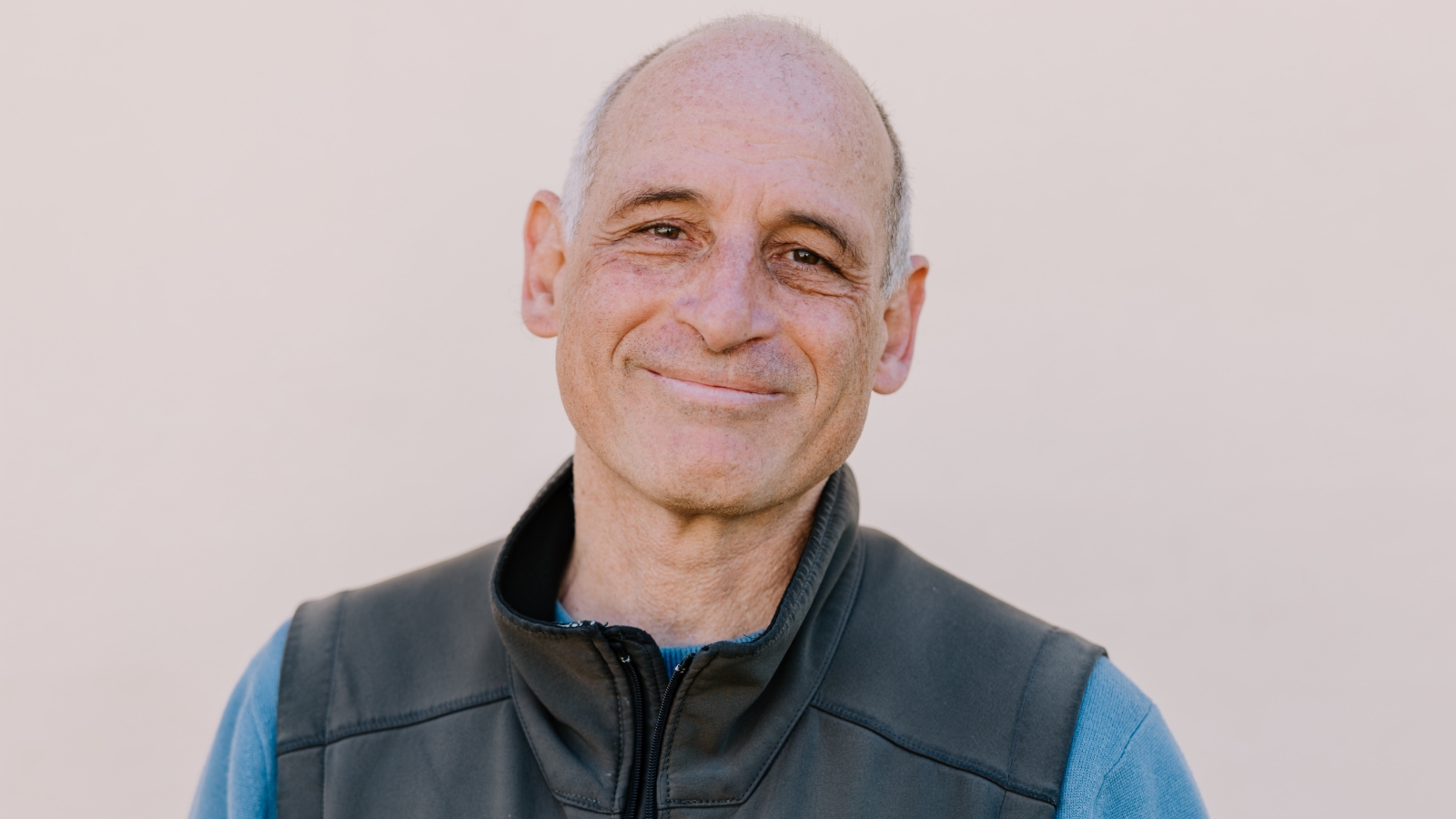
Additionally, the World Ocean Assessment examines how countries should be sharing the benefits of the ocean. With the majority of ocean economy revenue going to a small number of corporations and wealthy countries, local coastal communities see few benefits and often face significant human rights violations – such as the right to a clean, healthy and sustainable environment.
While global ocean governance discussions can be dominated by larger, wealthy countries, smaller nations rely on collective bargaining to ensure their voices are heard.
“For decades, the Pacific has adopted regionalism as its fundamental strategy,” says Professor Hanich. “When the Pacific Island states and territories agree and negotiate as a unified voice, they’re really powerful and have a strong influence.”
In comparison, it can be difficult for small or developing island and coastal states without that regional architecture to gain that agency.
Professor Hanich is also the chair of an Indian Ocean fisheries committee exploring how they can allocate shares among 30 very diverse and disparate states according to agreed principles.
“These questions are critical across a whole bunch of different types of institution, fisheries, marine environments.”
Professor Hanich, who also contributed to the previous World Ocean Assessment, explains what has changed in the past five years. “In 2021, climate change impacts were becoming obvious. In 2026, climate change impacts are now serious.”
“We’re also discovering the cumulative impacts and how those interact with each other. Japan has significant concerns around climate change impacts on domestic fisheries, for food security, cultural and economic reasons. They have the same concerns as many Pacific Island states, so we’ve had a few meetings between Australia and Japan, here in Wollongong.
“A lot of the time, we're looking for those shared mutual interests to identify coalitions and champions to work on things like mitigating climate change impacts on the fisheries.”
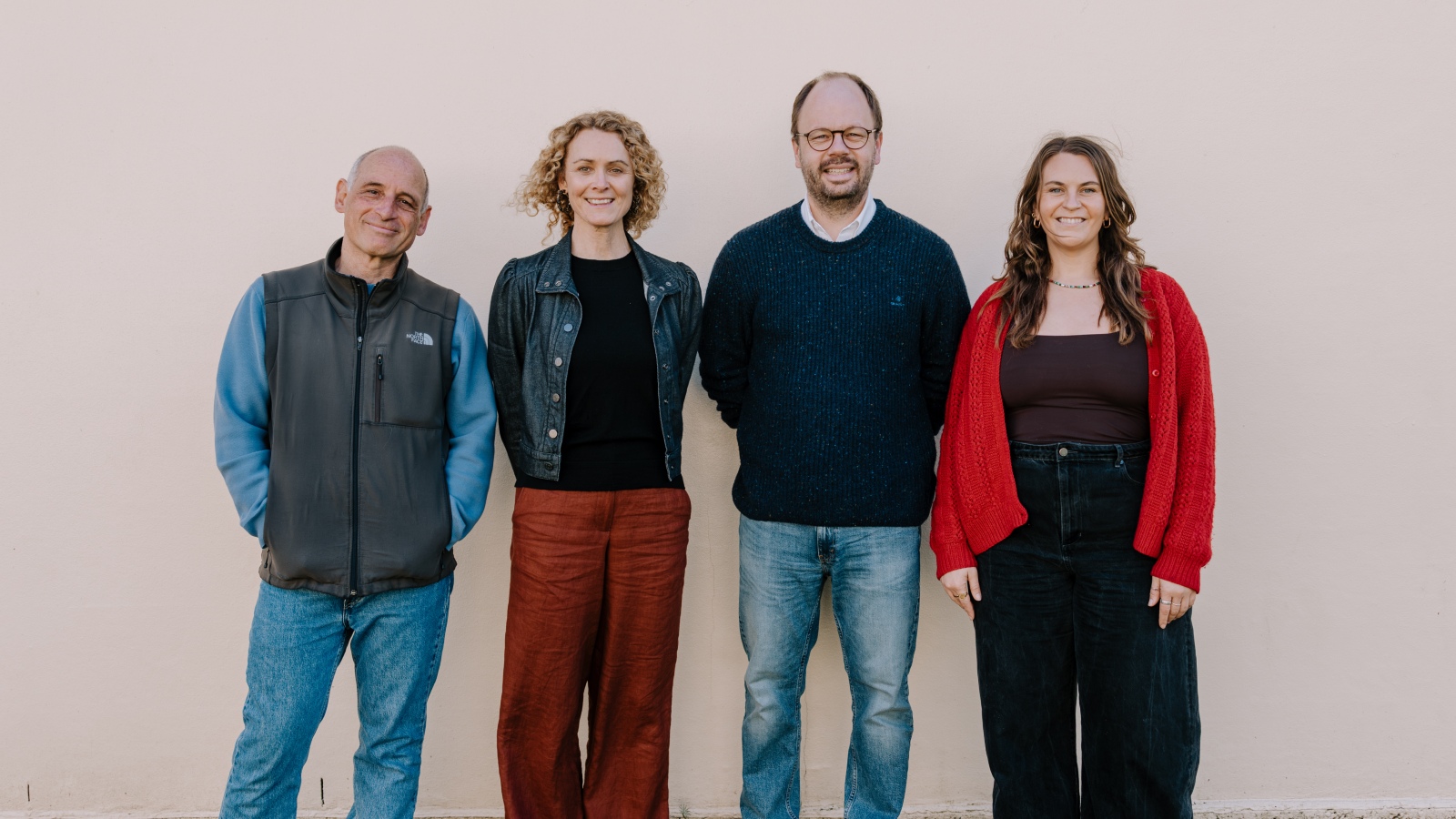
The human dimensions of managing the ocean
Effectively governing oceans goes beyond marine life numbers, sea levels and water temperatures.
“Policies are written by people, for people, so it is important to understand how and why people use the ocean, as well as the social, cultural and emotional connections they have to it,” explains UOW post-doctoral research fellow Dr Freya Croft.
Dr Croft is a marine social scientist who studies the socioeconomic impacts of ocean policies and the way humans interact with the ocean.
Her PhD focused on the emotional connection people have to coral reefs and how those relationships could inform the way people act in relation to the natural world.
“I’d been travelling a lot to the Great Barrier Reef and visited Ningaloo and had, and still do have, this fear of the way climate change would impact those coral reefs,” she says.
“I was looking at what we might call ‘awe-inspiring’ experiences interacting with marine megafauna, like swimming with whale sharks and humpback whales, to see if those emotional responses triggered people to be more eco-centric and care about the natural world.”
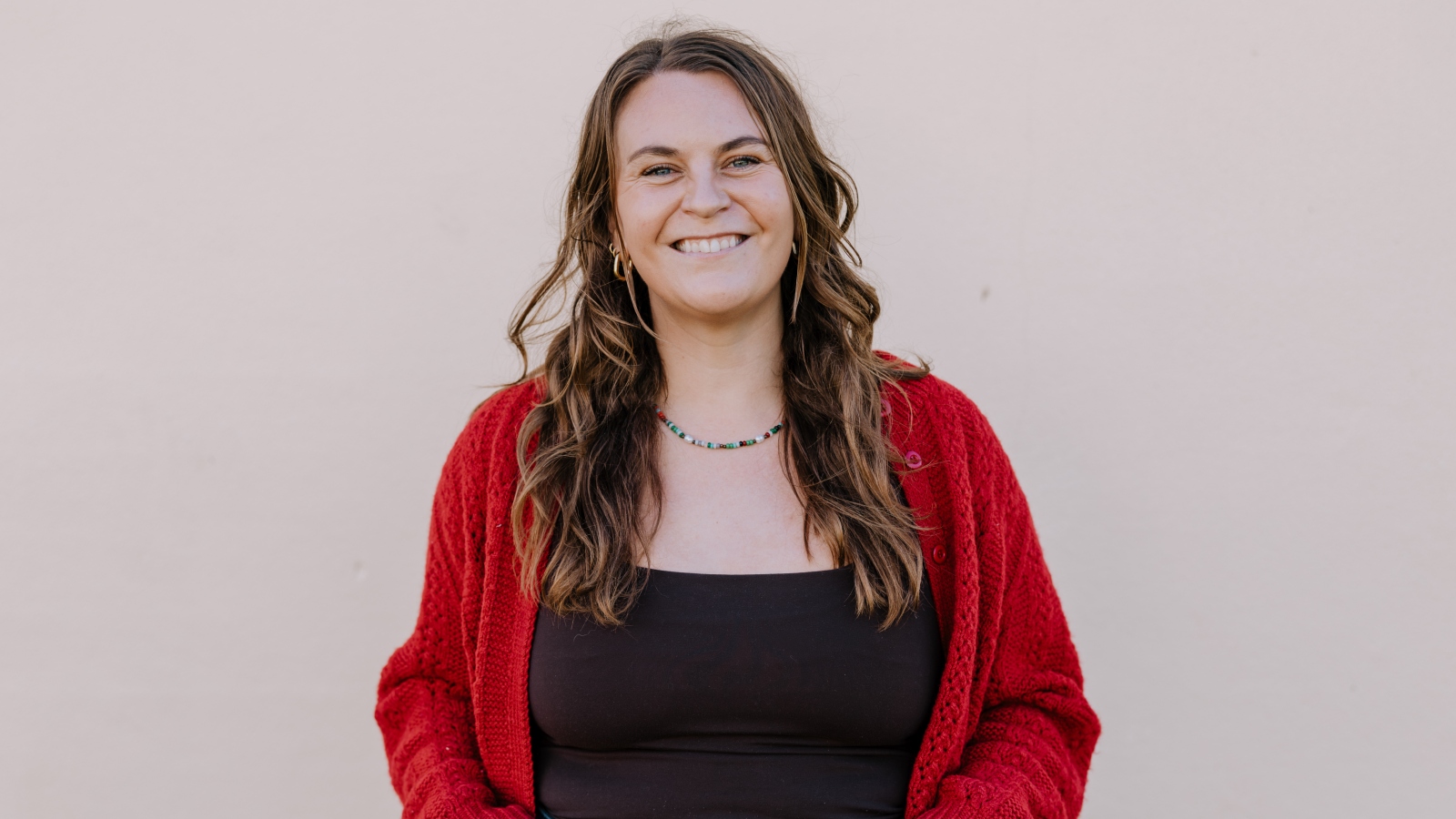
While offshore renewable projects have doubled since the last World Ocean Assessment, a report from the European Union Court of Audits found little insight into the social impacts of such initiatives, which is where Dr Croft’s expertise comes in.
“My role within the marine renewables chapter of the assessment is acknowledging the social elements of research and the importance of things like embedding equity in decision making. So, making sure that as we transition into greener forms of energy, we're not just exacerbating existing issues and reinforcing the status quo, but instead we’re making sure that coastal communities aren’t negatively impacted and that there is a fairer distribution of the costs and the benefits."
Dr Croft explains that impacts can be tangible, like employment, or intangible – like cultural and emotional attachments to the ocean.
“We have to think about the potential loss of livelihoods for people like fishers but also look at what jobs and economic development can come from marine renewable infrastructure.“
“We also look at the potential loss of cultural connection for First Nations people if these projects are built and reinforce the importance of ensuring that First Nations communities have a voice in decision making,” she says.
Similarly, strong place attachment exists within many coastal communities, and the social and emotional challenges associated with change should not be overlooked
“It’s important to not take these impacts and isolation and consider the overarching threat of climate change and what the costs of inaction might be. We have to consider what the impacts of continuing oil and gas development are and the effects of not increasing the uptake of renewables.“
“So many of the issues that we're facing in the ocean are human issues and require human solutions to fix them. We need to look at what we actually know about the people who are implementing these changes and making these decisions.”