

BookTok is changing how we read
Social media made me read it
September 23, 2026
While studios have been adapting books for the screen since they started making movies, there’s something different about the way shows like 'Heated Rivalry' and 'Off Campus' have landed in the zeitgeist.
The queer ice hockey romance Heated Rivalry – based on Rachel Reid’s bestselling Game Changers book series – premiered in November 2025 and caused a spike in ticket sales to professional ice hockey games, followed by a 529% surge in the book’s downloads. In May 2026, another hockey romance series, Off Campus, became Amazon Prime’s third most-viewed debut season ever.
Book-to-screen adaptations and fan communities are nothing new; Jane Austen’s Pride and Prejudice will get its 17th film or television release this year, while online debates continue over whether the 1995 miniseries or 2005 film did it best. But the majority of works adapted in recent years aren’t centuries old classics. Contemporary new adult romances with extremely loud and passionate fan communities are making their way to the screen at an unprecedented pace and levels of success.
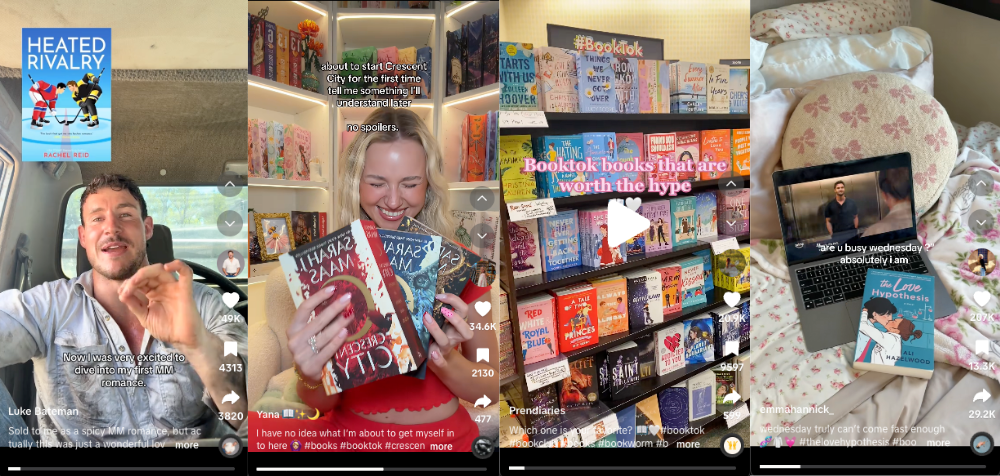
And viewers aren’t just binging the shows. They’re turning to the books, many for the first time, and joining the conversation on BookTok – the hashtag used to categorise book-related content on TikTok, which has amassed more than 200 billion views.
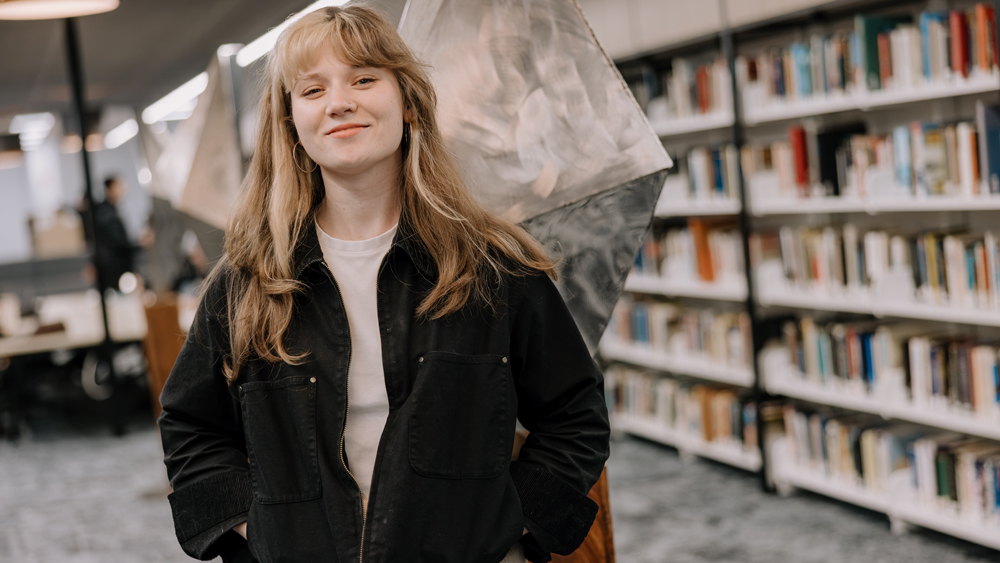
PhD candidate Lucy Rouse explores how digital media has changed reading practice, particularly in young, predominantly female, romance-reading communities. According to Ms Rouse, social media is reshaping how books are written, marketed, discussed and adapted for new audiences.
The BookTok effect
While people have always talked about books online, Ms Rouse explains that shortform video has made reading culture far more accessible, allowing the online reading community to flourish on TikTok.
“Watching a 30-second TikTok recommending a couple of books is going to be way less of a commitment than reading an 800-chapter fan fiction,” she says.
Rather than seeking out niche forums or fan sites, readers now have book recommendations, reviews and discussions delivered directly to them, helping books find new audiences and turning some into bestselling phenomena.
“BookTok gives a great sense of what's becoming popular and how those things are popularised,” says Ms Rouse. “It’s continuing the traditions of interacting with literature that have been around for years, but it’s showing it in a really accessible way and it’s leading to significant change and discussion in the media.”
According to Ms Rouse, digital platforms have made every stage of the publishing process more visible and interactive, bringing readers closer to authors and texts than ever before.
On TikTok and websites like Patreon and Wattpad, new and established writers can sidestep traditional publishing and build a following by sharing their work in a serialised format. Authors market test plot ideas, characters and chapters in real time as they write, ensuring reader buy-in from a book’s inception. In turn, readers feel deeply invested in the books they have helped to create and become active participants in a book’s success by promoting and discussing it online.
BookTok can turn a book into a global bestseller, extend the cultural life of a novel, and give a series a resurgence years after release. Similarly, bad reviews are no longer confined to a literary publication or an undiscoverable blog – they are broadcast directly to the author and debated loudly, as the barriers to entry for social reading and literary discussion are lowered.
With a more visible reception, texts become bigger and stay in the cultural zeitgeist for longer. “We can adapt it, we can embroil it in controversies, we can talk about it for longer,” says Ms Rouse. “It also makes it more culturally valuable.”
 Source: @lukesreads / @yanareads / @prendiaries / @emmahannick_
The demand for adaptations
In recent years, studios have found it difficult to recreate the success of the much-celebrated romantic comedies of the 90s and 00s. Now, it seems production companies have found a winning formula to pull us out of the ‘rom-com crisis’.
As Ms Rouse says, “social media gives you a proven audience to a textual world.”
Find your next production on BookTok – where your market research is done for you – and it comes with a ready-to-go, invested fanbase that will also handle your marketing, extremely loudly.
Heated Rivalry is the perfect example of BookTok at work. Ahead of its premiere on Canadian streaming service Crave, the show’s savvy social media team racked up hundreds of thousands of views on videos featuring the actors reacting to fan content. However, with no international distributor secured just nine days out from its Canadian release, fans were campaigning on a global scale for streamers to air the show in their region.
Then, it was announced that HBO Max had bought the rights to release the show in the US and Australia on the same day as Canada, with both HBO and Crave’s announcements featuring fan comments begging to be able to watch in their home country.
The evidence of a ready and enthusiastic viewership is likely the only reason HBO Max would be willing to launch a show so quickly without time to promote it directly to their own markets. And it worked out for them, with Heated Rivalry becoming HBO Max’s most watched acquired scripted series in the platform’s history.

Additionally, the books finding success on the screen are not just standalones. Heated Rivalry’s source material is currently a six-book series, while author of the five-book Off-Campus series Elle Kennedy has published nearly 50 titles.
“The things that are being adapted have a lot of potential to grow,” says Ms Rouse, referencing the success of Netflix’s Bridgerton, an adaptation of an eight-book Regency romance series by Julia Quinn. “They have a big textual backlog, meaning they can get a lot of value out of these existing works with existing followings.”
It makes sense that studios want to stick to a winning formula and that’s clear even with film adaptations of standalone books by popular authors. In January 2026, People We Meet on Vacation reached number one globally on Netflix, the first of five books by bestselling romance writer Emily Henry set to be adapted for the screen. The Love Hypothesis, the first of three confirmed adaptations of books by Ali Hazelwood – another prolific BookTok name – landed on Prime Video on 23 September.
Technology will [blank] publishing
In 2009, headlines warned that ebooks would kill publishing. In 2022, people were excitedly reporting that BookTok was saving it. Today, BookTok is being blamed for ruining literature.
There’s no doubt BookTok has made significant impact. Titles popularised on TikTok dominate bestseller lists, with Neilsen BookScan reporting that Australian romance sales more than doubled from 2019 to 2024. Similar trends have been seen in the US and UK.
As BookTok's influence has grown, so too have debates about the quality of the books it promotes. Romance novels in particular are often criticised as formulaic, while online discussions frequently focus on bad writing, unlikeable characters or problematic plots.
For Ms Rouse, however, claims that BookTok is either saving literature or destroying it are overstated.
“People will say, ‘isn't it horrible that social media is getting its paws on literature?’ Yet there have always been fan communities writing things online.”
“Much of this criticism reflects a long history of policing what young women are interested in,” she says. “Popular romance gets dismissed culturally because it's enjoyed by young women. It's seen as not being literary enough.”
While even those within the BookTok community have said it is dumbing down books and their readers, Ms Rouse argues that young women aren’t being given enough credit.
“Readers aren’t just taking everything that’s being fed to them and regurgitating it. They’re thinking critically about something that has long been discounted as not having any cultural value.”
Readers debate books, challenge ideas and publicly reassess their opinions over time. In her research on reviews of Colleen Hoover's It Ends with Us, Ms Rouse found many readers had returned years later to revise their ratings and reviews.
“Some people might look back and be embarrassed that they liked a Colleen Hoover book,” she says. “I think it’s great, because you've grown from that. You're thinking critically about what you have read and you probably like better fiction now.”
“Hoover serves an important purpose in making easy-to-read and bingeable fiction that gets people back into reading.”
In a world of declining media literacy, that matters.

The future of reading is more ice hockey
When asked why romance books and their adaptations are so popular, Ms Rouse mentions escapism and the hopefulness of the romance genre as well as the way BookTok has enabled readers to take control of their favourite stories and inform publishers what will be successful.
“I’m interested not so much in the why of it,” she says. “But just the sheer amount of people that are impacted by it. These works gather these huge visible online receptions because people care so deeply about them. Even if they aren’t ‘culturally important’, they were important to a set group of people for a set time.”
Whether or not BookTok stays around can’t be said, though it’s likely the formula of adapting popular fiction will continue regardless of the platform used to popularise it.
While her research says a lot about the influence of digital media on publishing, Ms Rouse’s focus on young and new adult romance fiction ensures a skew towards active social media users.
“I don’t think that older, large print mystery readers are going to be making TikToks about who gets killed in Agatha Christie,” she says. “But I do think the trend of verifying and recommending fiction will continue. This was previously done through critical reviews in newspapers, now it’s done through user generated content.
“I don't really have a sense of what the future of reading is, but I do think that the interactivity and crowdsourced information that BookTok has brought to the surface is a really interesting development and will likely be really productive for future publications as well.”
“I hope that we are publishing more romance,” she adds. “The future of reading is more ice hockey.”