

Snakes of the Illawarra
Which snakes are most commonly seen – and how to stay safe this summer
December 17, 2025
With the weather warming up and more people enjoying the local surrounds, you’re likely to see more wildlife, including snakes, as everyone makes the most of the Illawarra’s natural beauty this summer.
Dr Damien Esquerré is a reptile biologist and award‑winning nature photographer whose work brings Australia’s snakes into focus.
With a research focus on snake venoms and their evolution, Dr Esquerré leads the Biodiversity Evolution Lab and is a lecturer and DECRA Fellow at UOW.
Drawing on years of fieldwork and acclaimed photography, Dr Esquerré has created a simple guide to the snakes most commonly seen around the Illawarra, when they are active, and how to stay safe while letting these native animals go about their lives.
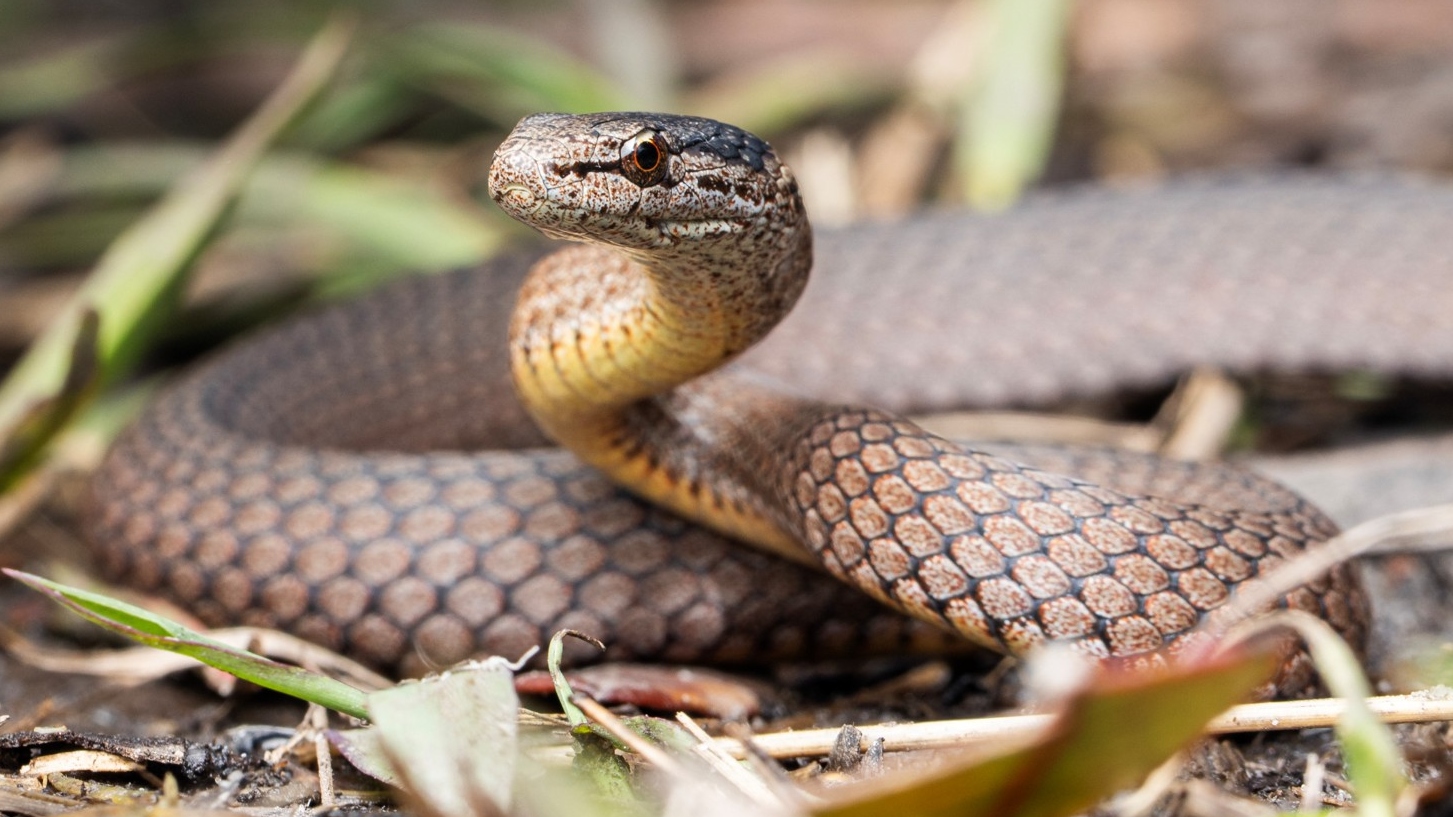
Most likely snakes you’ll encounter
In and around the Illawarra, people are most likely to see:
- Red‑bellied black snake (Pseudechis porphyriacus): Dangerously venomous, prefers habitats near water and is mostly active during the day.
- Golden‑crowned snake (Cacophis squamulosus): Mildly venomous, very common across the region, nocturnal and often seen on warm, wet nights.
- Diamond python (Morelia spilota): Non‑venomous and relatively common; can be seen by day or night in trees, sheds or roofs.
- Marsh snake (Hemiaspis signata): Nocturnal, shy, usually close to damp habitats.
- Small‑eyed snake (Cryptophis nigrescens): Venomous but small and reclusive; usually active at night.
- Blackish blind snake (Anilios nigrescens): Harmless, burrowing snake that resembles an earthworm and emerges at night.
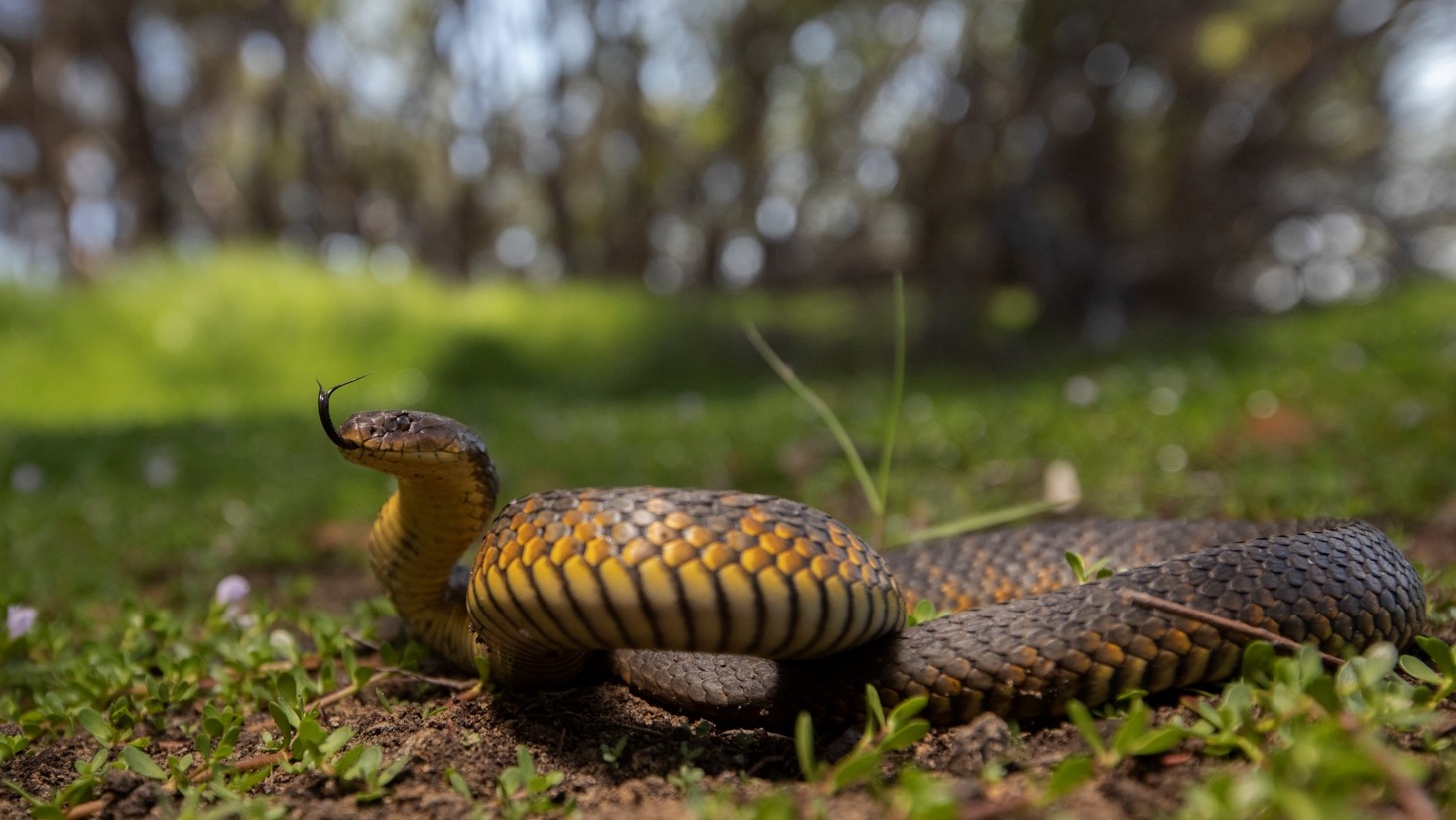
- Tiger snake (Notechis scutatus): Dangerously venomous; often near wetlands, dams and other water bodies, mostly by day.
- Mustard‑bellied snake (Drysdalia rhodogaster): Mildly venomous, nocturnal.
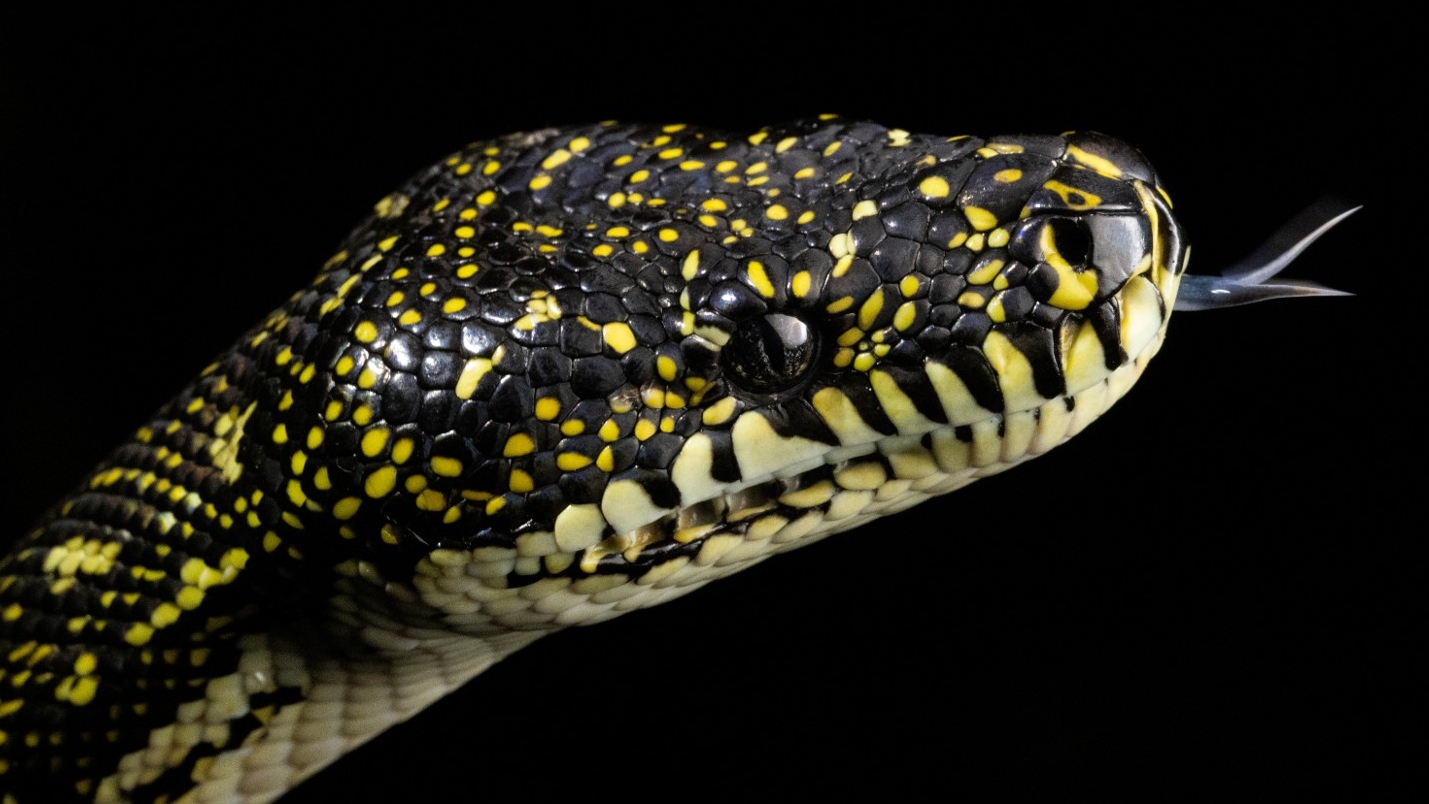
When and where you are most likely to see snakes
People are more likely to encounter snakes on warm days and nights in late spring and summer, when they are basking, hunting or moving between shelter sites. On warm days, species such as red‑bellied black snakes and tiger snakes may be seen out basking near wetlands or along the escarpment and bush tracks.
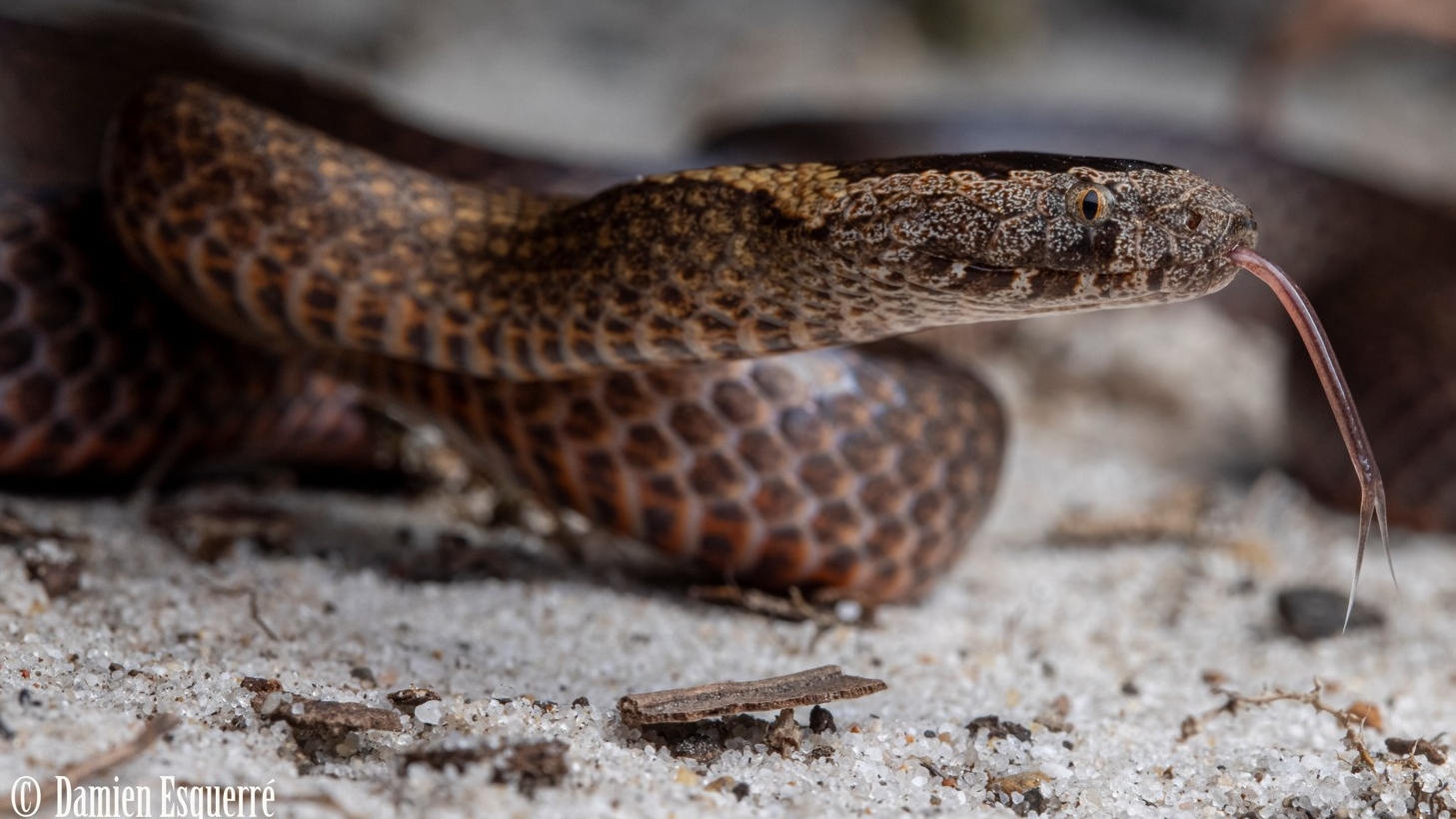
On warm nights, you are more likely to see nocturnal species such as golden‑crowned snakes, diamond pythons, marsh snakes and other small nocturnal snakes moving across roads or paths, especially when driving at night in bushy or semi‑rural areas.
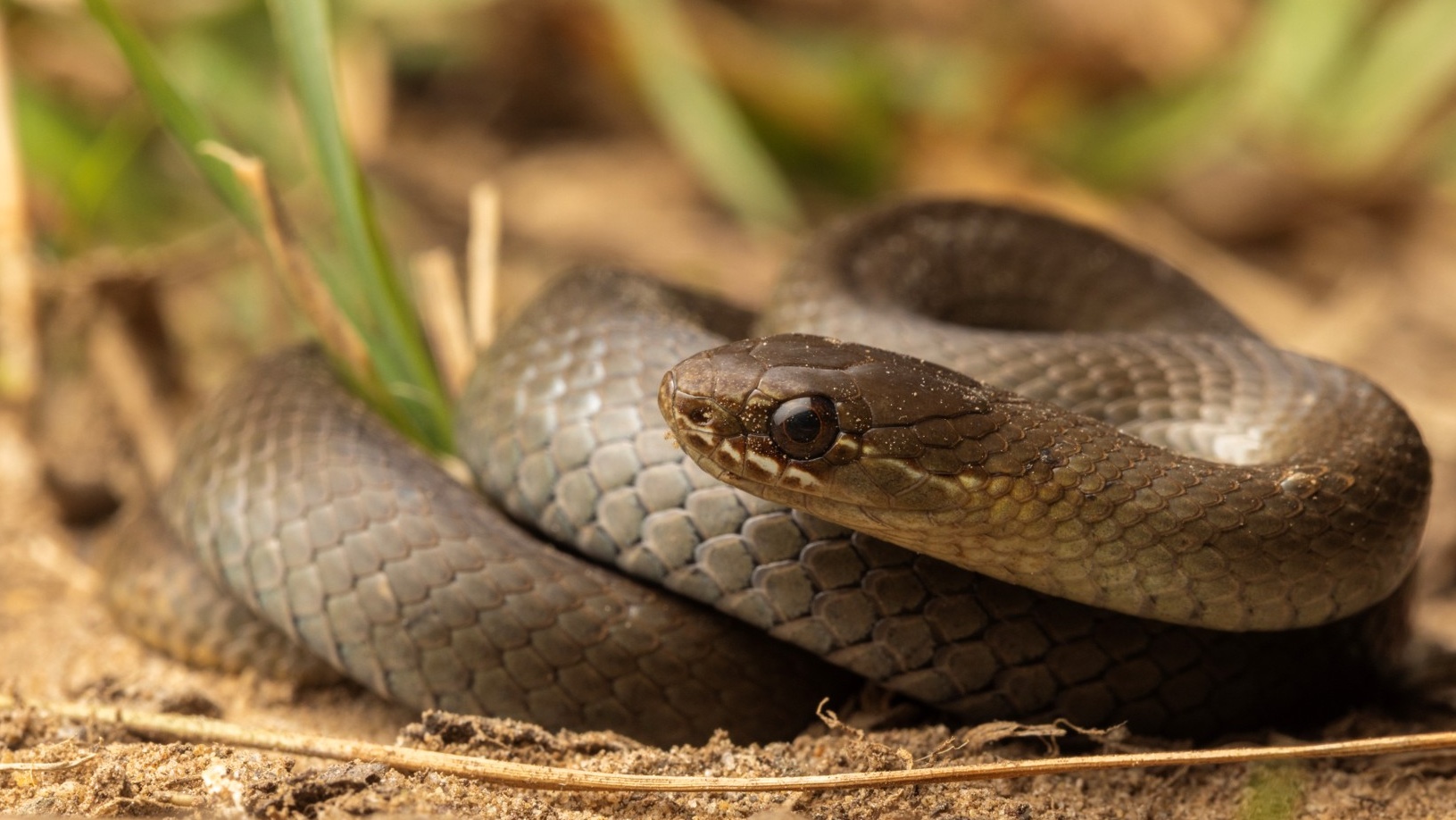
What to do when you see a snake
Snakes, despite common perceptions, are generally shy and reclusive creatures, and unprovoked bites are extremely rare. They do not waste venom or risk injury by attacking people they cannot eat. Most will retreat when approached if given space.
If you encounter a snake on a path or in your yard, the safest response is to leave it alone, keep your distance and allow it to move away. If it is in an inconvenient spot, keep people and pets away and contact a licensed snake catcher rather than trying to move it yourself.
What to do if a snake bites?
Deaths from snake bites in Australia are extremely rare. If someone is bitten by a snake that could be medically significant, remember to:
- Stay as calm and still as possible, don’t panic and reassure the person.
- Call 000 immediately and follow the operator’s advice.
- Apply a firm compression bandage around the bite site.
- Do not apply a tourniquet or attempt to “suck out” the venom.
- Do not wash the bite site