

What you need to know about mental health in pregnancy and early parenthood
Taking care of your emotional wellbeing during a period of change
October 29, 2026
Pregnancy and early parenthood can bring profound changes that impact emotional wellbeing. Understanding what is normal, recognising when distress needs support, and knowing where to turn can help parents and families seek care earlier.
Content warning: This article includes mentions of anxiety, depression, postnatal psychosis and related topics that may cause some readers distress.
Perinatal anxiety and depression affect about one in five expectant or new mothers and one in ten expectant or new fathers. Although these experiences are common, stigma and uncertainty can make it difficult for parents to recognise distress or ask for help.
Dr Nicole Reilly has researched perinatal mental health for almost two decades. Her work explores how pregnancy, birth and early parenthood shape emotional wellbeing – and how health systems can better support parents and families during this major life transition.
She asks, “How can we help parents, infants, children and families thrive during a time that is joyful and also potentially vulnerable?”

Perinatal mental health explained
The term ‘perinatal’ typically describes the period spanning conception, pregnancy and through the first year after pregnancy, while ‘antenatal’ describes the period before birth and ‘postnatal’ refers to the first year afterwards.
Perinatal mental health and wellbeing is all about the emotional experiences of expectant and new parents. Adjusting to pregnancy and a new baby takes time. It is normal for parents to feel anxious or overwhelmed as they progress through this transition.
However, many will experience more persistent feelings of distress, sadness or worry and may develop perinatal anxiety, depression or other mental health conditions, affecting their mood, behaviour or wellbeing in a way that disrupts their ability to function day to day.
Whether someone is trying to conceive, expecting a baby, experiencing pregnancy loss, adjusting to life with a newborn, or grieving the loss of a baby, support matters. The transition to parenthood can be rewarding, but it can also be challenging, and some parents may need extra support when feelings of anxiety, overwhelm or emotional distress begin to affect their wellbeing.
What are the signs to look out for?
Depression during pregnancy or after birth can show up in many ways.
Some parents experience persistent sadness, frequent tearfulness, feelings of guilt or hopelessness, or a sense of disconnection from themselves, their baby, or those around them. Changes in sleep, appetite, energy levels and motivation are also common.
Anxiety may involve excessive worry, feeling constantly on edge, irritability, difficulty relaxing, or a sense of being overwhelmed. Some parents experience panic attacks, racing or intrusive thoughts, physical symptoms such as tension or a racing heart, or find themselves repeatedly checking on their baby for reassurance.
“Intrusive thoughts about intentional or accidental harm coming to the baby can be extremely distressing and frightening and can leave parents feeling confused, ashamed or worried about what the thoughts mean,” says Dr Reilly. “The reality is that intrusive thoughts are extremely common in the early weeks and months after birth. But they are rarely discussed, despite being experienced by almost all new mothers. The challenge is recognising when intrusive thoughts have become difficult to manage, rather than normal worries associated with caring for a new baby.
“Support should be sought if these thoughts are causing significant distress, start interfering with daily life, or affecting a parent's wellbeing. More severe conditions such as postnatal psychosis are very rare, affecting only about one to two women in every thousand, but do require urgent medical assessment and treatment.”
“Even when symptoms don't meet criteria for a clinical disorder,” adds Dr Reilly. “Many people still experience real periods of stress, self-doubt, exhaustion and feeling overwhelmed.”
Well-meaning loved ones and health professionals may mistake significant mental health changes for normal experiences of pregnancy or early parenthood, so it is important to understand that all negative feelings and experiences are valid and should be treated with compassion and care.
A real period of adjustment
“Pregnancy and new parenthood can be a positive and meaningful stage of life, but it also brings a lot of emotional, social and physical challenges,” says Dr Reilly. “It comes with changes in identity, relationships, sleep, finances, workforce engagement. It’s a real period of adjustment.”
Even for those who already have children, welcoming another child can prompt a lot of emotions for individuals and families.
It is common for major life transitions to affect mental health, and there are many factors that can influence emotional wellbeing during pregnancy and early parenthood, including:
- Biological – physical recovery, sleep disruption and hormonal changes
- Psychological – a history of mental health challenges, past trauma, perfectionism or concerns about parenting confidence
- Social – financial pressures, housing insecurity, relationship stress, and a lack of practical and emotional support.
Dr Reilly says there is also increasing research attention around the significant role of birth experiences.
“We know that women who experience disrespectful maternity care or a traumatic birth have a higher risk of poorer mental health outcomes, not just for depression and anxiety, but also issues such as childbirth-related PTSD.”
For health care providers, researchers and policy makers, understanding risk and protective factors is important because it helps provide a cumulative picture of parents and the support networks around them, and what can be done to build on strengths, mitigate vulnerabilities and better support families.
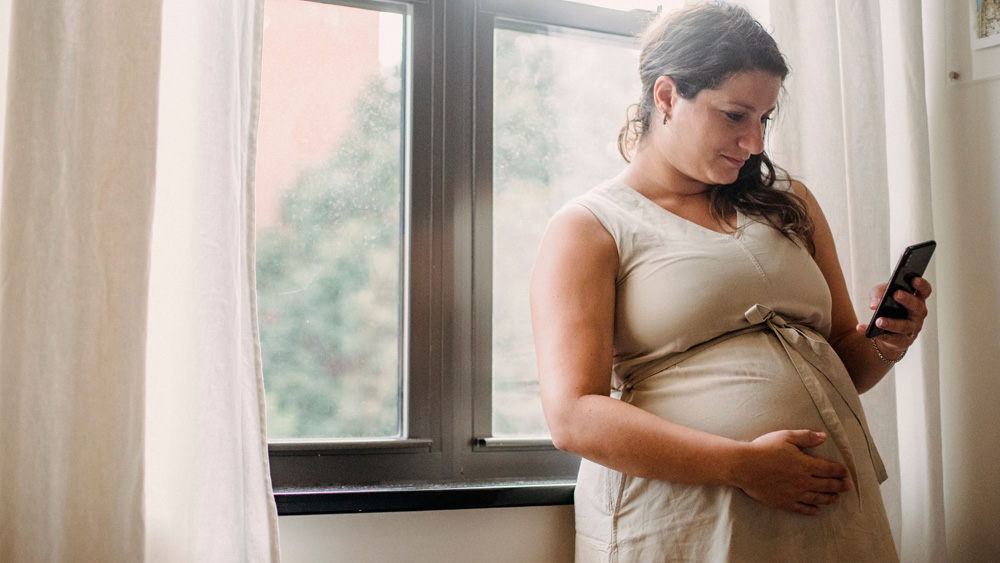
What can expectant and new parents do if they are feeling distressed?
There are many strategies for managing perinatal depression, yet the most important thing is remembering that you are not alone and there is support available. If you are experiencing symptoms of anxiety, depression or distress, start by telling someone you trust, such as your partner, a close friend or family member. Making time for self-care, individually and as a family, can also help, but seeking practical and emotional support is key.
A midwife, child and family health nurse or GP can be a good first point of contact. Dr Reilly encourages parents to feel comfortable having these conversations with a health professional – ideally someone who knows them well enough to notice when extra support may be needed, even if they find it difficult to ask.
“Unfortunately, research shows there is still an enormous amount of shame and stigma that can prevent women from seeking help for their emotional health when they most need it,” says Dr Reilly. “Yet the perinatal period is a time when the vast majority of women are in regular contact with health professionals, and it provides such a unique window to identify concerns and intervene early."
That regular contact and continuity of care is important, explains Dr Reilly. “Relational continuity with a care provider builds trust and confidence, which strengthens engagement and makes it easier to seek support.”
There are also specialist organisations that are there to help. PANDA – Perinatal Anxiety & Depression Australia – provides extensive free resources and a national helpline, ForWhen is a navigation service to help families find appropriate care, and Gidget Foundation Australia offers subsidised support for people experiencing mild to moderate distress.
Dr Reilly adds that parenting was never meant to be done completely alone: community support can help sustain babies, parents and the wider family.
What care is available for expectant and new parents?
Support from family, partners, friends, community networks, midwives, GPs and other health professionals can make a profound difference, helping parents feel seen, understood and connected during the transition to parenthood.
In Australia, perinatal mental health is a routine part of pregnancy and postnatal care. Dr Reilly says this reflects best practice, with national evidence indicating that around 80 per cent of people receive routine mental health screening and psychosocial assessment as part of their care.
These assessments do more than identify distress. They help health professionals understand each parent’s strengths, vulnerabilities, support networks and mental health history.
For those with identified perinatal mental health issues, care and treatment depends on the individual and the severity of the presenting condition.
“For some women and families, it might be enough for a midwife or child and family health nurse to monitor someone over a period of time and just provide that support for people with transient or mild levels of distress.”
Across NSW, Perinatal Infant Mental Health Services (PIMHS) support parents with mental health concerns during pregnancy and for up to two years after birth, focusing on treating parental mental illness, reducing symptoms and helping recovery, improving confidence in caring for infants, and supporting emotional attachment between mother and child.
Some parents might be referred to a psychologist or evidence-based online treatment, while others with more severe or complex mental health needs may receive care in specialist mother-baby or parent-infant mental health units, where they can access intensive treatment without being separated from their baby. This approach supports the parent's recovery while maintaining and strengthening the important early parent-infant bond.
“It’s not just about treating mental health,” says Dr Reilly. “It’s about supporting the family unit, in whatever makeup that is.”
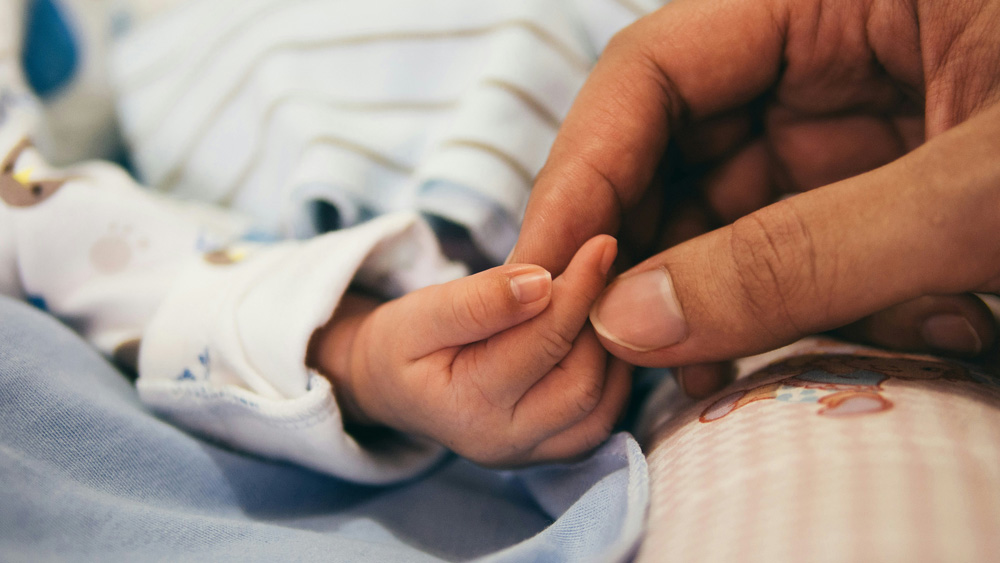
Improving access to perinatal mental health care
“There is growing evidence that younger generations are experiencing mental health issues at much higher rates than previous generations,” says Dr Reilly. “While societal changes, greater awareness and willingness to disclose or seek help may account for some of this increase, we know that many more people will be entering their childbearing years with a history of mental health difficulties. Given that previous mental health challenges are a known risk factor for perinatal mental health problems, this has important implications for the support parents may need during pregnancy and early parenthood.”
This highlights the need to ensure health services are adequately trained, skilled and resourced to meet the needs of the next generation of parents.
Unfortunately, access to care remains uneven.
“We know that people living in regional and rural areas are more likely to experience mental health challenges, and face additional challenges accessing care due to workforce shortages and fewer specialist services.”
Dr Reilly says future policies and services should be designed in partnership with communities to meet their needs.
“It’s not just about providing more evidence about the challenges that people in rural areas face. It’s about harnessing and building on the strengths of what are often highly resilient communities. Organisations such as Motherland are a powerful example of how connection, shared experience and community-led support can help improve wellbeing for rural parents.”
Dr Reilly is passionate about ensuring fathers and non-birthing parents are part of the national conversation on perinatal mental health.
“There’s some terrific work happening to support dads and non-birthing partners, but there’s always more work to do,” she says. “The transition to parenthood can be challenging for all parents, and we need to make sure fathers and non-birthing partners feel equally recognised, included and supported.”
At a policy level, priorities include strengthening prevention, early intervention and treatment, alongside investing in affordable, accessible services. Continued investment in perinatal mental health research is also critical to understanding what works, for whom, and how support can best be delivered across diverse populations and settings.
Dr Reilly says there is a growing opportunity to build on recent national attention to women's health, including the prominence of perinatal mental health within the Australian Senate’s Select Committee on Women's Health inquiry.
"Submissions to this inquiry have helped highlight the significant impact that perinatal mental health has on families and communities, and reinforced the need for coordinated action across prevention, care, research and policy."
She hopes ongoing investment in research, service innovation and digital approaches to care will help ensure parents can access the right support at the right time, whether they are navigating pregnancy, pregnancy loss, birth, early parenthood or grief following the loss of a baby.
"Elevating perinatal mental health within national conversations is essential," says Dr Reilly. "Every parent deserves access to timely, evidence-based support, regardless of where they live or where they are in their journey to parenthood."
“Raising community awareness is just as important,” she says. “We need to make sure that communities understand some of these challenges so that when people do reach out to them, there is less judgement and stigma.”
For expectant and new parents, the message is simple: you are not alone. If you feel distressed or something does not seem right, talk to someone you trust and seek help from a health professional or support service.
Helpful links: