

Five men’s nutrition essentials that matter more than online trends
Accredited Practicing Dietitian Dr Joel Craddock shares nutrition tips that support long-term health and wellbeing.
June 17, 2026
With so many unqualified content creators sharing exaggerated claims around muscle gain, leanness, and strict diet rules, it can be difficult to sort through the noise online.
Looksmaxxing, cold plunges, health shakes, cottage cheese, no carbs, supplements, and protein, protein, protein. These inescapable social media health trends place unrealistic pressure on young men. While targeted nutrition strategies have their place, many nutrition claims aimed at men are exaggerated, only partly true, or relevant to a small minority.
Instead of chasing extreme advice, here are five ways to build a diet that supports training, long-term health and overall wellbeing.
1. Don’t chase protein at the expense of everything else
Protein supports muscle repair, strength and healthy ageing. Men who train regularly, lift weights, run, play sport, or are trying to build or maintain muscle, may need more protein than inactive adults. But this doesn’t mean the answer is always more protein, more powders or more meat.
In fact, protein is usually not the nutrient most men are missing. The latest data shows that almost all people in Australia had adequate protein intake in 2023, while other parts of the diet may still need improvement. For example, our research with ultramarathon runners found that participants met or exceeded protein recommendations, but weren’t consuming enough carbohydrates, fruit, vegetables and wholegrains.
Contrary to what you might see on social media, the benefits of extra protein are limited. Research in resistance training shows that while protein supports gains in muscle and strength, the benefits appear to level off once intake is already high. Even in more specialised settings, such as bodybuilding contest preparation, protein recommendations are targeted rather than unlimited.
The takeaway: Protein matters, but it shouldn’t be the only nutrition goal. Include a protein-rich food at each main meal – such as yoghurt, eggs, fish, lean meat, tofu, legumes, milk, nuts or seeds. But don’t let it crowd out the foods many men need more of, especially fibre-rich foods, fruit, vegetables, wholegrains, and other nutrient-rich carbohydrates.

2. Plant protein can support muscle too
It’s worth challenging the idea that animal protein is automatically better for muscle. Animal proteins often score highly on amino acid-based protein quality measures, but that doesn’t mean plant proteins are ineffective. All plant foods contain all nine essential amino acids, although the amount of each amino acid varies between foods. This is why variety matters.
Research shows plant protein foods can stimulate muscle protein synthesis, and that well-planned plant-based diets can support muscle just as well as omnivorous diets, without compromising muscular strength. This challenges the common idea that men need to rely heavily on meat, dairy or protein powders to build or maintain muscle.
The takeaway: Plant protein foods such as tofu, tempeh, legumes, soy milk, nuts, seeds and wholegrains can all contribute to muscle health as part of a varied diet.

3. If you track one thing, make it fibre
If there is one nutrient many men should pay more attention to, it’s fibre. Analysis shows only 28.2 per cent of Australian adults consume enough fibre, with males even less likely to be getting enough.
Fibre supports regular bowel function, but its benefits go further. Higher fibre intake is linked with better cholesterol, blood glucose control, fullness and long-term gut health. There is also strong evidence that wholegrains and foods containing dietary fibre decrease the risk of colorectal cancer.
This matters for men’s health. Colorectal cancer – often referred to as bowel cancer – was estimated to be the fourth most commonly diagnosed cancer in Australia in 2024. The Australian Institute of Health and Welfare estimates that 1 in 19 Australian males will be diagnosed with bowel cancer by the age of 85, compared with 1 in 23 females.
The takeaway: Adult men should consume at least 30 grams of fibre per day, or 38 grams per day to reduce your risk of chronic disease. A simple starting point is to add one extra fibre-rich food each day. Good sources include oats, wholegrain bread, high-fibre breakfast cereals, legumes, fruit, vegetables, nuts and seeds.
4. Choose carbohydrates wisely, rather than avoiding them
One of the most common online nutrition messages aimed at men is that carbohydrates are the problem. This is too simplistic.
Highly processed foods, sugary drinks and large amounts of refined snack foods are different from oats, wholegrain bread, brown rice, potatoes, fruit, legumes and vegetables. The latter provide fibre, vitamins, minerals and fuel for active lives.
For men who exercise, carbohydrates also support training quality and recovery. In endurance athletes, low carbohydrate intake can compromise glycogen stores, training adaptation, performance and recovery, and elevate their risk of chronic disease.
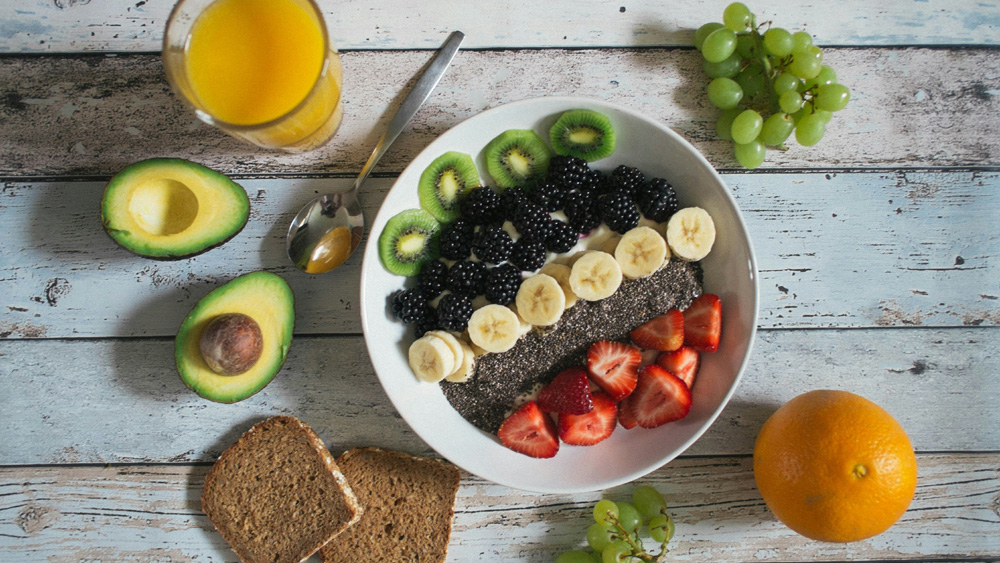
The takeaway: A simple meal structure for busy men should include a protein food, a high-fibre carbohydrate, vegetables or salad, and a source of healthy fat. This might be eggs on wholegrain toast with spinach; tuna and brown rice with salad; Greek yoghurt with oats and berries; or tofu, chicken or beans in a wholegrain wrap.
5. Use supplements as add ons, not the foundation
Protein powders, creatine, sports drinks and other supplements can be useful in the right context. But supplements won’t provide the same range of nutrients as a meal containing whole foods and shouldn’t become the foundation of a man’s diet.
Be sceptical of non-expert content creators endorsing or advertising products, particularly when it comes to supplement claims that play on male insecurities around testosterone, masculinity or muscle gain. For example, concerns that soy foods or soy milk lower testosterone are common online. When we compared soy milk and dairy milk after resistance exercise in males, soy milk did not result in lower testosterone or higher estrogen.
The bigger message is that supplements can help at the margins, but the basics do most of the heavy lifting.
The final takeaway
Good nutrition for men doesn’t need to be extreme, expensive or complicated. Small, consistent changes – such as eating more fibre-rich foods, choosing protein foods wisely, building balanced meals and being cautious of overhyped claims – can make a meaningful difference over time.
Dr Joel Craddock is an Accredited Practicing Dietitian and Career Development Fellow in UOW’s School of Medical, Indigenous and Health Sciences.