We use cookies to improve your experience on our site and to show you personalised advertising. To find out more, read our privacy policy and cookie policy
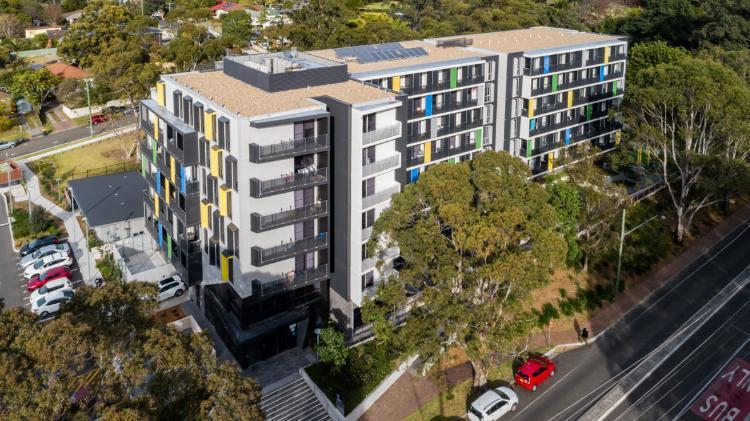
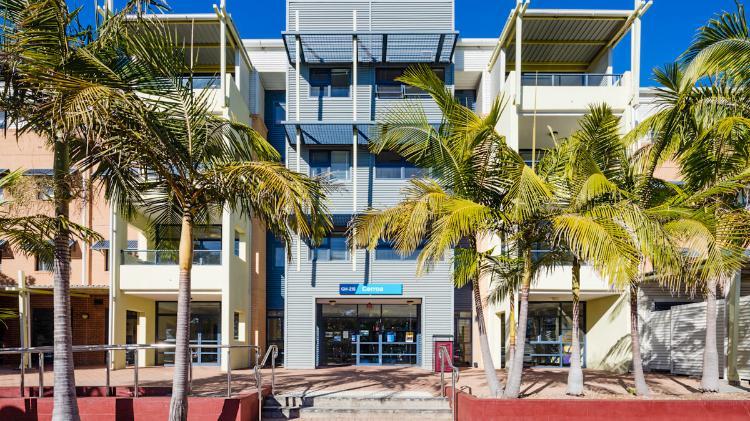
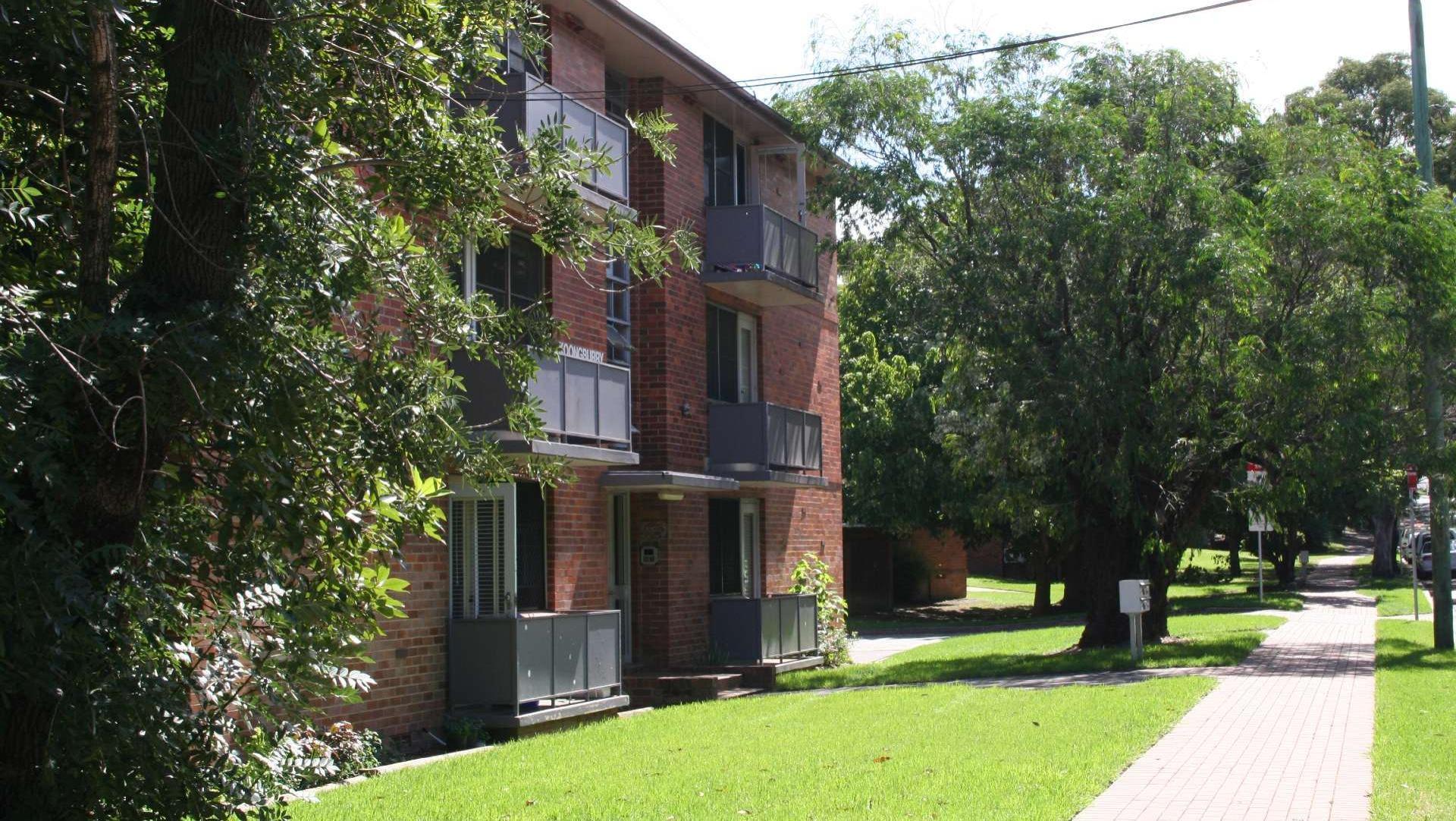
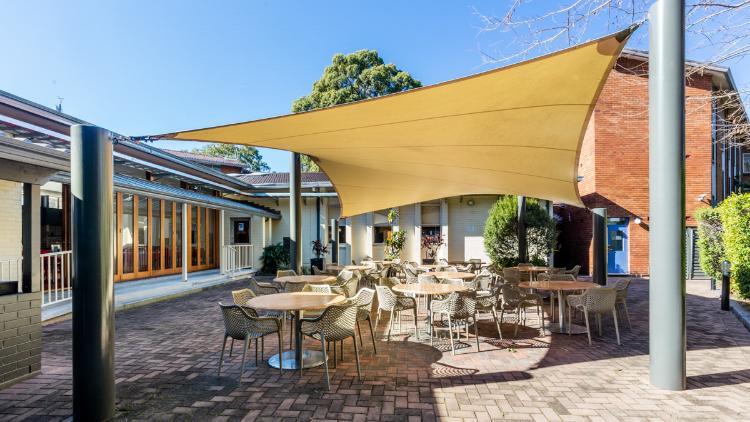
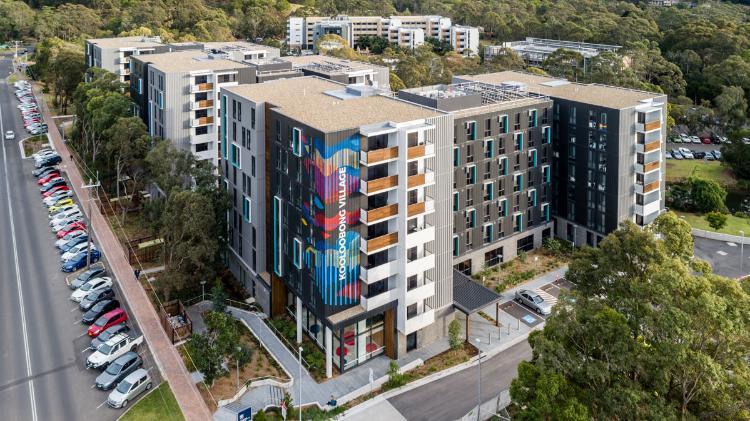
Many students say one of the best parts of the university experience is living in a residence. UOW Student Residences offer vibrant communities, with students from diverse cultural backgrounds. Our residents enjoy being part of an active community, and many make friends for life.
Click on 'apply now' above to register your details on the Accommodation Portal and apply to live in accommodation. Once you are in residence, the Accommodation Portal is also the system we use to manage your account with us.
If you are looking for a lifestyle that is truly independent, then living off-campus is for you! Our service provides students with all types of accommodation options and support in finding and securing the right accommodation for you.
As a city filled with students, Wollongong is the perfect place to start your future. Many UOW students say one of the best parts of the university experience is living on campus. You'll become part of an instant community, make new friends before you start your classes, and have access to all the services and support you need to be happy and succeed at uni.
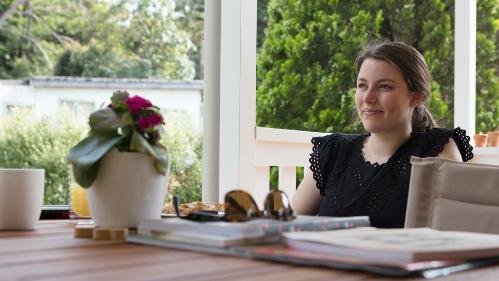
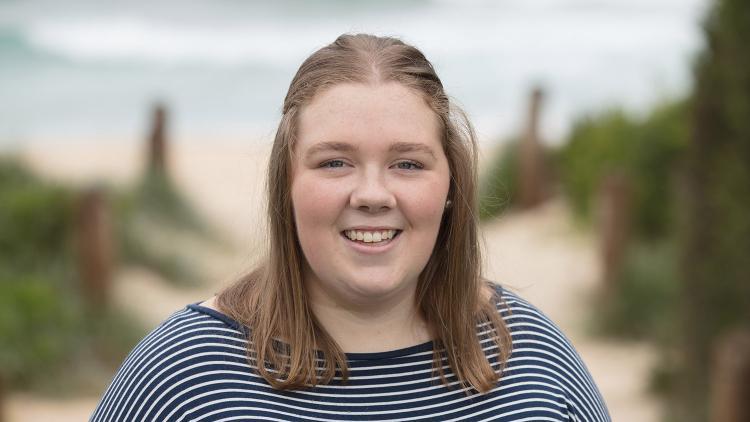
Lillian: My name is Lillian and I live in UOW accommodation.
Julia: I thought it would be really hard to begin with, because I was away from my family. But because it was so inviting and so many people around me, it almost felt like a home away from home.
Lillian: I moved here from the Blue Mountains, so a little bit past Sydney. I decided to move to Wollongong because it offered the best course for me, but I really didn't want to be travelling back and forth. I wanted to feel settled in one place.
Ali: I thought that it would be so far from everything, but the train station is so close. Whenever something is happening in Sydney I just jump on the train.
Lilian: There’s a fair bit of nightlife, which is pretty fun, but it's really relaxed. It's really easy to just go into town, hang out, you know. There's a lot of cute little cafes to have lunch at or go to the beach and just sit for a while.
Julia: I thought I would just be a student going to class every, day but it's been so much more than that. I’ve been able to do so many more things and meet so many people.
Ali: It gives you a better feeling that you are supported and you're not alone.
Lillian: It's such a social and a positive environment, and being inspired by other people who are just so driven.
Julia: It's not just a degree anymore. It's kind of a different lifestyle and it's exactly what you want out of uni.
Ali: I’m Ali.
Julia: My name is Julia.
Lillian: My name is Lillian and I live in UOW accommodation.
Julia: I thought it would be really hard to begin with, because I was away from my family. But because it was so inviting and so many people around me, it almost felt like a home away from home.
Lillian: I moved here from the Blue Mountains, so a little bit past Sydney. I decided to move to Wollongong because it offered the best course for me, but I really didn't want to be travelling back and forth. I wanted to feel settled in one place.
Ali: I thought that it would be so far from everything, but the train station is so close. Whenever something is happening in Sydney I just jump on the train.
Lilian: There’s a fair bit of nightlife, which is pretty fun, but it's really relaxed. It's really easy to just go into town, hang out, you know. There's a lot of cute little cafes to have lunch at or go to the beach and just sit for a while.
Julia: I thought I would just be a student going to class every, day but it's been so much more than that. I’ve been able to do so many more things and meet so many people.
Ali: It gives you a better feeling that you are supported and you're not alone.
Lillian: It's such a social and a positive environment, and being inspired by other people who are just so driven.
Julia: It's not just a degree anymore. It's kind of a different lifestyle and it's exactly what you want out of uni.
Wollongong enjoys a very reasonable cost of living. Take a look and compare cities.
Acknowledgement of Country
On the lands that we study, we walk, and we live, we acknowledge and respect the traditional custodians and cultural knowledge holders of these lands. The University of Wollongong is committed to Reconciliation and to inspiring a better future through education, research and partnership.
We acknowledge that Country for Aboriginal peoples is an interconnected set of ancient and sophisticated relationships.
The University of Wollongong spreads across many interrelated Aboriginal Countries that are bound by this sacred landscape, and intimate relationship with that landscape since creation.
From Sydney to the Southern Highlands, to the South Coast.
From fresh water to bitter water to salt.
From City to Urban to Rural.
The University of Wollongong Acknowledges the Custodianship of the Aboriginal peoples of this place and space that has kept alive the relationships between all living things.
The University Acknowledges the devastating impact of colonisation on our campuses' footprint and commit ourselves to truth-telling, healing and education.
We acknowledge that Country for Aboriginal peoples is an interconnected set of ancient and sophisticated relationships.
The University of Wollongong spreads across many interrelated Aboriginal Countries that are bound by this sacred landscape, and intimate relationship with that landscape since creation.
From Sydney to the Southern Highlands, to the South Coast.
From fresh water to bitter water to salt.
From City to Urban to Rural.
The University of Wollongong Acknowledges the Custodianship of the Aboriginal peoples of this place and space that has kept alive the relationships between all living things.
The University Acknowledges the devastating impact of colonisation on our campuses' footprint and commit ourselves to truth-telling, healing and education.
Our friendly staff are happy to help you with your enquiry
Future students: futurestudents@uow.edu.au | Current students: askuow@uow.edu.au