



















Study close to home
UOW has eight Australian campuses located across Wollongong, Sydney, and regional centres of the NSW South Coast and Highlands. If you're looking to study close to home, take a look at the UOW campus in your region.



Study at UOW
The University of Wollongong (UOW) is more than a university. We unlock opportunities, encourage curiosity, and provide the support and tools to turn your passions into a career.
Ranked Australia's #1 public university for undergraduate student experience, UOW offers a supportive environment to help you thrive.
Are you finishing Year 12, returning to study after time away, or considering postgraduate opportunities? No matter where you are in your journey, Open Day is your chance to explore what’s next.
Register now More future student events
UOW has eight Australian campuses located across Wollongong, Sydney, and regional centres of the NSW South Coast and Highlands. If you're looking to study close to home, take a look at the UOW campus in your region.

Reach your full potential with free study resources and services.

Secure your dream job with expert employment advice and co-curricular opportunities.
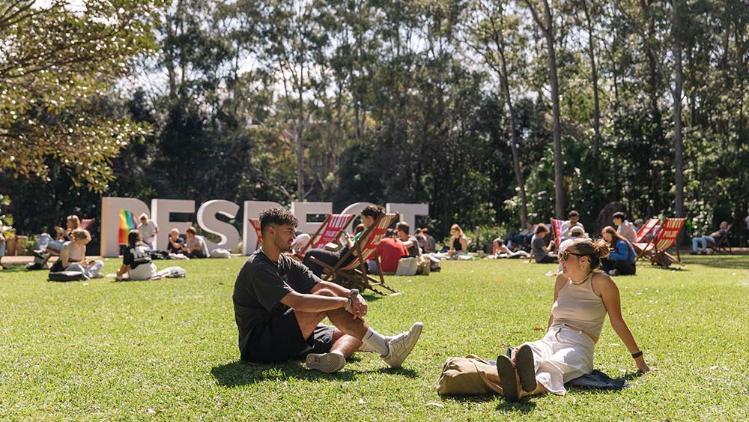
Find a club, check out UniBar gigs or explore UOW’s facilities.

Travel the world while studying through our global exchange program.
Do you have a question about studying with UOW? We're here to help.