









Climate
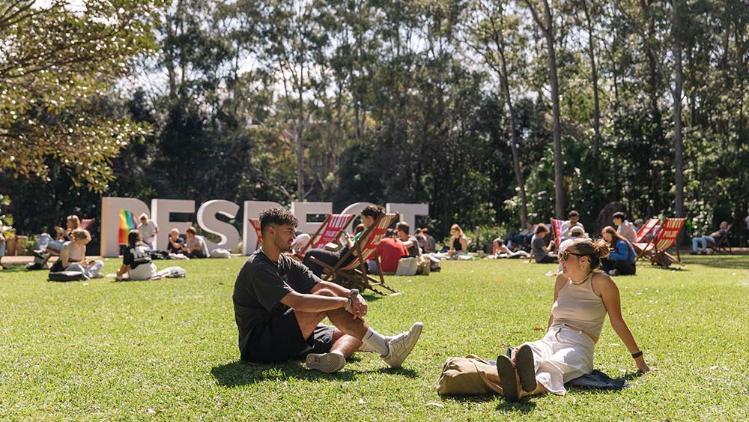
Summer in Australia is from December to February, autumn, March to May, winter, June to August and spring, September to November. The summers in Wollongong are hot and sometimes humid, with maximum average temperatures around 26-30 degrees Celsius. The winters in Wollongong are generally sunny and mild with the average daily temperature 15-18 degrees Celsius. Though there is no frost or snow in Wollongong, the temperature drops on occasions to 2 or 3 degrees Celsius so students are advised to bring jumpers or a jacket.
Clothing
On campus students dress casually: jeans, T-shirts, windcheaters and other informal clothing. In summer, it is acceptable to wear shorts, skirts, T-shirts and light footwear. Bring one set of "best" clothes especially if you will be living in the University Residences as they have occasional formal dinners. You should bring a light overcoat, a waterproof jacket and sweaters for the colder months but light clothing is normally sufficient for the summer months. Bring a raincoat with you. Umbrellas are cheap to buy.
All types of clothing are available for purchase in Wollongong but prices may be higher than you are used to. Luxury items such as perfume and moisturisers are readily available, but the price of brand name cosmetics in Australia is higher than in many other countries.
Part-Time Work
Some students find jobs in restaurants, shops and supermarkets - others get work doing tutoring, telephone sales and deliveries.
If you choose to work, you must apply for a student visa with work rights upon arrival in Australia for a fee of $50. Your form will need to be signed by the University confirming that you have commenced your course of study. Students with work rights are permitted to work a maximum of 20 hours per week during session.
Banking
It is easy to open a bank account when you arrive in Australia and the National Australia Bank (NAB) operates a branch on campus. Banks require 100 points of identification to open an account, which may take the form of a passport stamped by an Australian passport official within the previous six weeks, a University of Wollongong student card or overseas Driver's Licence or credit card. Should you wish to bring Travellers Cheques with you to deposit into a bank account, please ensure that they are issued in Australian dollars. Funds may be telegraphically transferred to a new account but you are advised to check on the fees charged by the banks at both ends.
There are automatic teller machines at the NAB on campus and at many locations in the City of Wollongong.
Please note that personal cheques normally take from one to six weeks to be cleared and overseas drafts from small banks can take up to eight weeks.
Electrical Goods and Connections
Domestic electricity supply in Australia is 230-250 volts. Electrical goods from other countries will need a conversion adaptor unless they have dual voltage.
Three pin plugs are fitted to domestic appliances, so 110 volt appliances, such as shavers, hairdryers and contact lens sterilisers, cannot be used without a transformer. Transformers can be purchased in department or travel stores, although appliances such as hair dryers are relatively cheap in Australia.
Safety
Wollongong is generally a safe place to live but students are still advised to take certain precautions:
- Don't travel alone after dark if you can avoid it
- Avoid unlit beaches at night
- If you are waiting for a bus or train, stand or sit where it is well lit
- Always keep your door locked
- Don't carry large amounts of cash
- Don't hitchhike at any time
- Don't accept drinks from strangers in pubs or bars
Driving
You must have a licence to drive in Australia. You are advised to bring a valid International Driver's Licence with you. Remember, Australians drive on the LEFT HAND SIDE of the road.
Cycling
Bicycles are an alternative method of transport with second-hand bikes being reasonably cheap. It is compulsory to wear a helmet in Australia and you risk being fined if you do not obey this law.
Travelling around Australia
Students can obtain an ISIC International Student Card from the STA travel agency on campus or you may bring this card with you from overseas. The card allows for some discount travel in Australia. Exchange students are eligible for a New South Wales government rail concession card, but Study Abroad students are not.
There may be some discount travel options for travelling around Australia, available in your own country but which cannot be purchased after arrival. Please check with your local travel agent before leaving home.
Remember - Australia is the size of the United States (minus Alaska)! Travelling to many parts of Australia involves long plane flights or even longer bus or train journeys. You should start making travel plans before you leave home as not many National Parks or World Heritage areas can be reached in a weekend.
|